

Loading titles…

Narrator (voice)

Self

Self

Self
Self
Self
Self
Self
Self
Self
Self

Self
More than two decades after it left our screens, BBC Two’s iconic and much-loved music documentary series, Rock Family Trees, is back for a one-off special. The iconic music documentary series returns to examine the real story behind the birth of Britpop and how a handful of like-minded musicians, struggling to find an authentic voice, would pave the way for a revolution in British music. It is an intricately connected story of three of the biggest bands of the 1990s – Suede, Elastica and Blur – and how, for a brief moment in the middle of that decade, they changed British music forever, kickstarting a movement that still reverberates to this day.
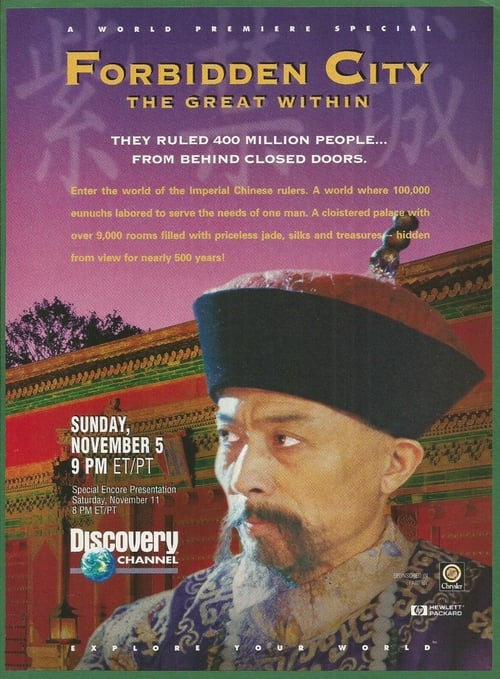
Amidst the grand walls of the Forbidden City, the film takes us on a deep journey through the ceremonial life of the Chinese emperor, unveiling the secrets and intrigues of concubines, eunuchs, and palace maids. As the West begins to influence China in the late 19th century, the dynamics within the city shift dramatically. The film highlights the preservation and restoration of invaluable treasures and paintings, culminating in the creation of the Palace Museum. With insights from renowned China scholar, Jonathan Spence, this is an intimate exploration of the rich cultural and historical tapestry that makes up the heart of ancient China.

The Captains' Summit documents the first time in Star Trek history that four stars who at some point have played Captains in Star Trek (William Shatner, Patrick Stewart, Leonard Nimoy, Jonathan Frakes) have been brought together for a 70-minute rare and unprecedented round table event. Whoopi Goldberg, star of Star Trek: The Next Generation, hosts the event.
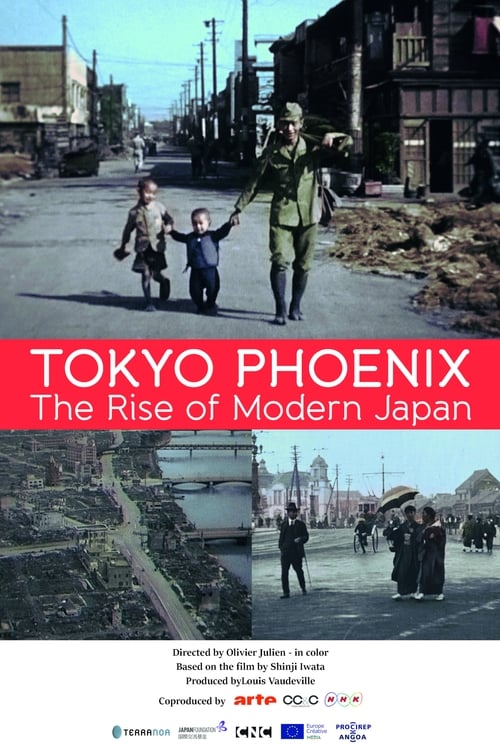
In 150 years, twice marked by total destruction —a terrible earthquake in 1923 and incendiary bombings in 1945— followed by a spectacular rebirth, Tokyo, the old city of Edo, has become the largest and most futuristic capital in the world in a transformation process fueled by the exceptional resilience of its inhabitants, and nourished by a unique phenomenon of cultural hybridization.

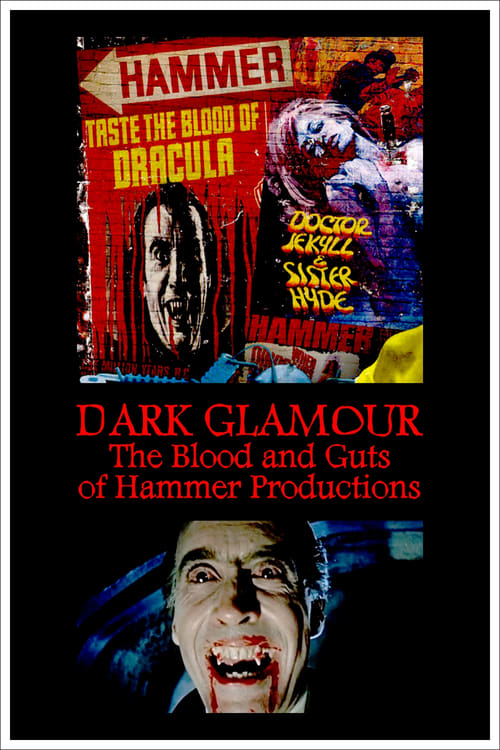
The greatness, fall and renaissance of Hammer, the flagship company of British popular cinema, mainly from 1955 to 1968. Tortured women and sadistic monsters populated oppressive scenarios in provocative productions that shocked censorship and disgusted critics but fascinated the public. Movies in which horror was shown in offensive colors: dreadful stories, told without prejudices, that offered fear, blood, sex and stunning performances.

Cruelty, psychological and sexual violence, humiliations: reality television seems to have gone mad. His debut in the early 2000s inaugurated a new era in the history of the audio-visual. Fifty years of archives trace the evolution of entertainment: how the staging of intimacy during the 80s opened new territories, how the privatization of the biggest channels has changed the relationship with the spectator. With the contribution of specialists, including philosopher Bernard Stiegler, this documentary demonstrates how emotion has made way for the exacerbation of the most destructive impulses.

Documentarian Jeffrey Morgan set out to the track one woman's search for the truth about her great-great-aunt's 1908 murder. But his film quickly became a fascinating study of racism, revenge and family secrets. In the process of uncovering information about her ancestor's violent death at the hands of an African-American suspect, the woman learns that her family tree might have also produced a few murderers.