Loading titles…
Documentary
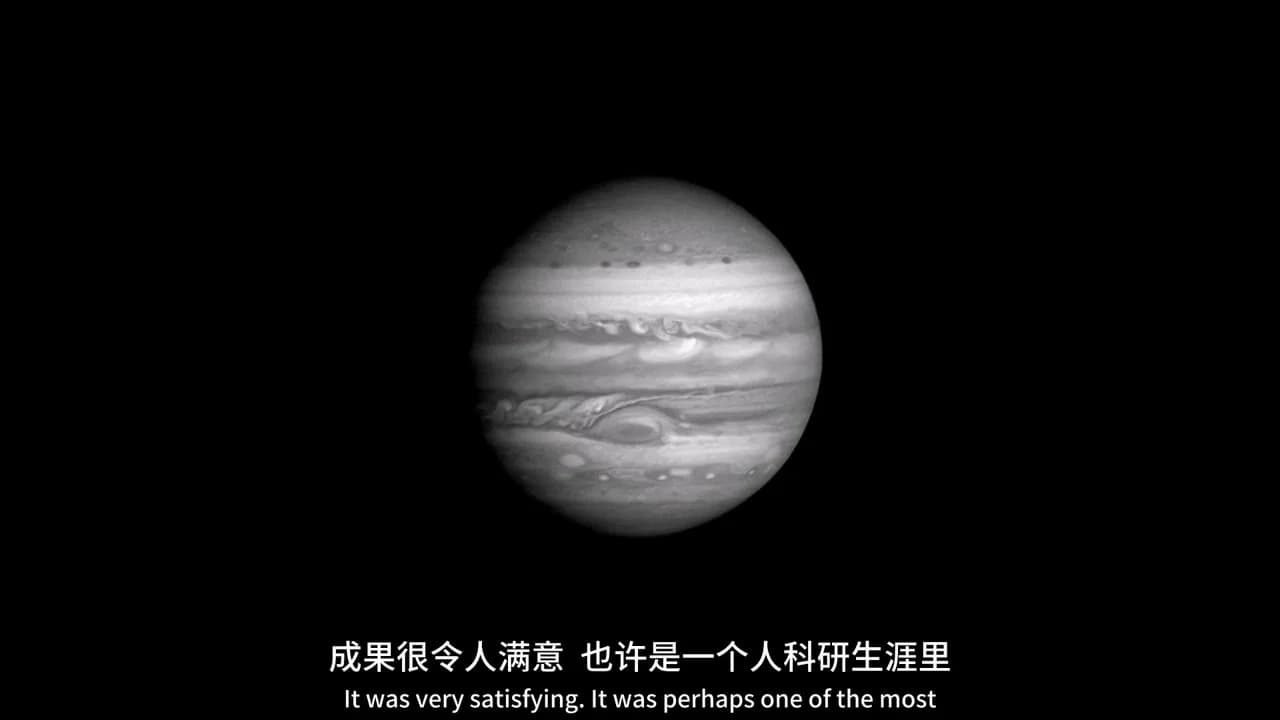
BBC Horizon Documentary. Jupiter, the largest and fastest rotating planet among the eight major planets in the solar system, is the fifth planet from the inside out. This film tells the latest information from NASA's Juno Jupiter probe, unveiling the wonders of Jupiter.


Cast


Steel giant Thyssen Krupp in Germany and cargo ship operator Maersk in Denmark are investing huge sums of money with public support to convert their huge and dirty energy consumption to ‘green’. Hydrogen plays a central role in this. At the same time, countries in Africa such as Morocco and Namibia are gearing up to become giga-suppliers of the new energy source. But does it all make sense? Why not just produce green steel in Africa? And what's the story behind the blue hydrogen that is supposed to come from Norway via pipeline? The film follows pioneers on breathtaking projects and shows that the energy transition is more complicated than expected and holds many surprises in store.


Who knows about springtails? And among those for whom this name rings a bell, how many have already seen them? Yet, these small animals, similar to insects, are present in all terrestrial ecosystems. Springtails are undisputed soil regulators. Scientists recognize them today as absolutely essential, especially in the search for pollutants, disruptors, and all the variations that affect our soils, but this little animal is almost unknown. Thanks to extremely precise cameras, as close as possible to these microscopic animals, a teeming life is revealed before our eyes. According to the seasons, the film invites us to get into the intimacy of the springtails, to discover their morphology, their role and their usefulness in the ecosystems of the planet while rubbing shoulders with other organisms in the same environments.

The film features amazing scenes of places never before seen gathered by key space missions that culminated with groundbreaking discoveries in 2015. It features a spectacular flight though the great cliffs on comet 67P, a close look at the fascinating bright "lights" on Ceres, and the first ever close ups of dwarf binary planet Pluto/Charon and its moons.

From the North Pole to remote islands, birds can live almost anywhere. How do these resilient animals thrive in such different environments? They have become hardy and versatile through their bodies, feathers, movements, and songs. In this global birding tour, we learn about these nomads of the sky.
Definitively proving that all the "B" Science Fiction of the 1950s and 1960s do not hold a candle to the 'real thing,' Pavel Medvedev's surreal 45 minute documentary Ascension is certainly one to look for. Composed entirely out of archival footage, much of it from the Soviet science and space archives, delicately scored and building to an undeniable mood of surreal (perhaps even ominous) energy, it charts (and re-purposed) the progress of man into to the unknown area of space exploration with a flair for creating art out film that was shot by scientists and engineers as a mundane record.