Loading titles…
Drama
Stephen Tan, the youngest and the only photographer in his family, is tasked with creating his grandmother's funeral portrait. Never having taken his grandmother's photograph, he searches for old photographs in his family's ancestral home. There, he finds his Aunt Ellen who is…
Stephen
Auntie Ellen
Family Member
Family Member
Family Member
Family Member
Family Member
Family Member
Family Member
Family Member
Family Member
Family Member
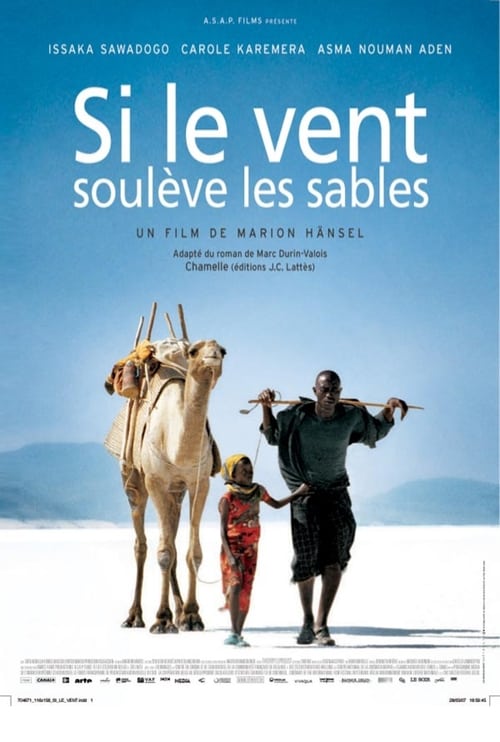
On the one hand, there’s the desert eating away at the land. The endless dry season, the lack of water. On the other there’s the threat of war. The village well has run dry. The livestock is dying. Trusting their instinct, most of the villagers leave and head south. Rahne, the only literate one, decides to head east with his three children and Mouna, his wife. A few sheep, some goats, and Chamelle, a dromedary, are their only riches. A tale of exodus, quest, hope and fatality.
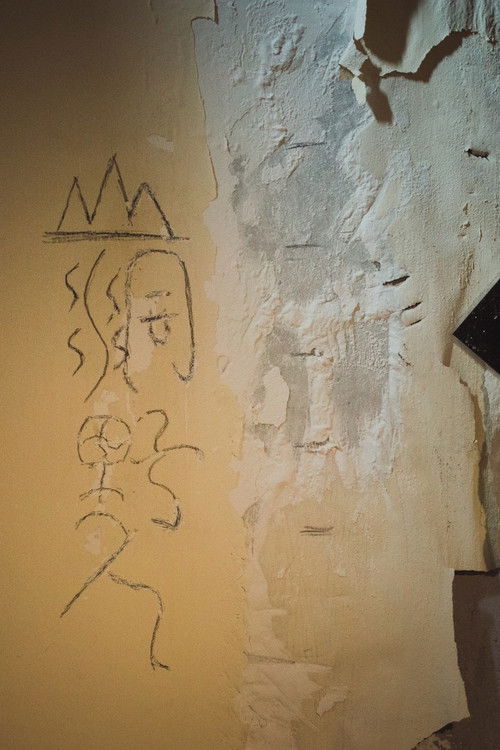
When Pak Tin Estate is going to be demolished, the residents will move to a new place, but how about the dead residents? Where could they go? Ho Ying-kuen who majors in Myth and Poetry, and Playwriting, leads us to a time and space of a demolishing public estate. We will come across the residents of the estate, a mother with her two sons selling incenses, and two monkeys having conversation about their mother. A mixture of fiction, experimental and documentary images, Lost Cemeteries studies about filial piety and death with a strange and interesting approach.
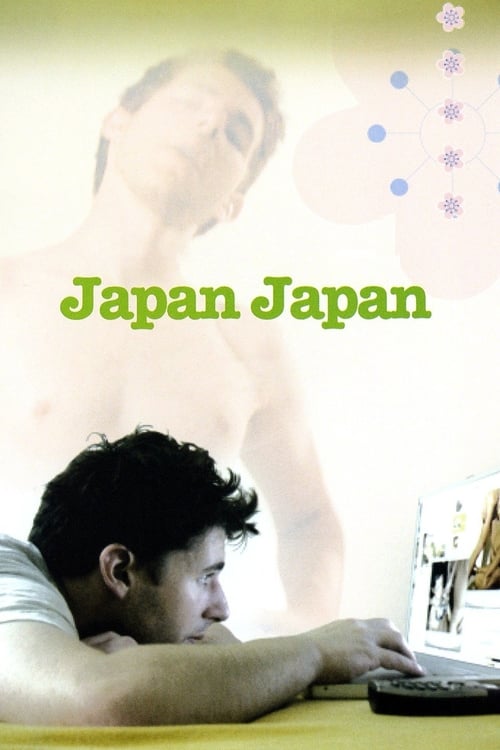
The film tells the story of Imri, who at 19 goes to live in Tel Aviv, but dreams of moving to Japan. Through his relationships and encounters and in diverse cinematic tools, we are introduced to the young person’s life. An exploration of living in the exotic city of Tel Aviv is presented through a hero who are themselves in the midst of exploring his own choice of an exotic place. A unique correlation is formed between the hero’s misconception of Japan and ours of them. The movie was constructed by both improvised and pre-scripted scenes, as required by the nature of each scene. (Taken from the Filmmaker's Website:
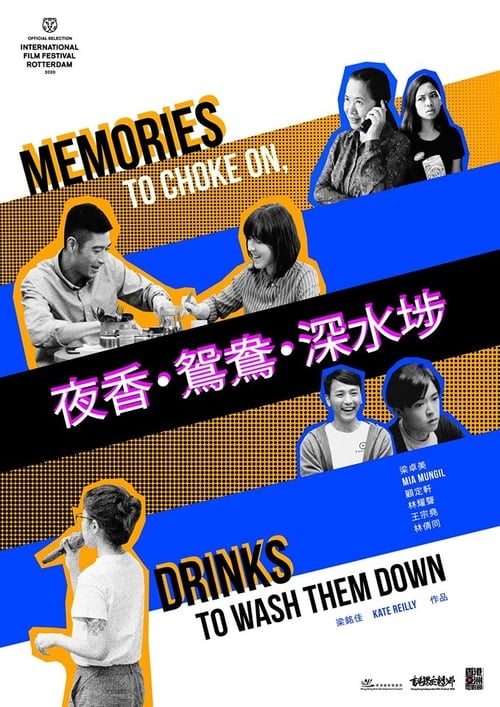
This anthology film, whose Chinese title begins with a romantic name for human excrement, premiered internationally at Rotterdam and won Best Screenplay from the Hong Kong Film Critics Society. A variety of Hong Kong people wrestle with nostalgia when facing an uncertain future. Their stories give way to a documentary featuring a young barista turned political candidate.


LEI and WONG clandestinely arrive to Ecuador, on their way to the port city of Guayaquil. From here LEI plans to continue her journey to New York, but CHANG, a bipolar mobster will decide her fate. WONG unwillingly gets entangled in the web of corruption that operates the encroachment of Chinese immigrants. His only objective is to bring his twelve-year-old son from China.