


Loading titles…

Self (archive footage)

Self

Self

Self

Self

Self

Self
Self

Self

Cast


Today, few people's clothes attract as much attention as the royal family, but this is not a modern-day paparazzi-inspired obsession. Historian Dr. Lucy Worsley, Chief Curator at Historic Royal Palaces, reveals that it has always been this way. Exploring the royal wardrobes of our kings and queens over the last four hundred years, Lucy shows this isn't just a public fascination, but an important and powerful message from the monarchs. From Elizabeth I to the present Queen Elizabeth II, Lucy explains how the royal wardrobe's significance goes far beyond the cut and color of the clothing. Royal fashion is, and has always been, regarded as a very personal statement to reflect their power over the reign. Most kings and queens have carefully choreographed every aspect of their wardrobe; for those who have not, there have sometimes been calamitous consequences. As much today as in the past, royal fashion is as much about politics as it is about elegant attire.


Documentary telling the story of Balmoral, the royal family's most private residence. For over 150 years this Scottish castle has been home to royal traditions of picnics, stag hunting and kilts. From prime ministers to Princess Diana, life at this tartan-bound holiday home has not appealed to everyone. But there is another story of Balmoral, of how the royal family has played a role in shaping modern Scotland and how Scotland has shaped the royal family. Queen Victoria's adoption of Highland symbols, from tartan to bagpipes, helped create a new image for Scotland. Her values, too, helped strengthen the union between Scotland and England. Ever since, Balmoral has been a place that reflects the very essence of the royal family.

The Feminist Library: A Short Film was made in support of the Save the Feminist Library Campaign, documenting a crucial moment in the library's herstory as it fights for its very survival. Shortlisted for the Women's History Network Community Prize, the film revisits the story of the library's inception and emphasises why feminism remains essential today.


This documentary follows a small number of British people with an incurable genetic disease called Prader-Willi syndrome. This rare disorder makes the sufferer unable to control their eating habits. Prader–Willi syndrome is a rare genetic disorder in which seven genes (or some subset thereof) on chromosome 15 (q 11-13) are deleted or unexpressed (chromosome 15q partial deletion) on the paternal chromosome. The film is set in Gretton House, near Kettering in England, which is a government-funded care home deliberately constructed to assist people with PWS. The film focuses on a new resident, Joe Blackburn, who is 21 and begins the documentary weighing over 30 stone (190 kg, 420 lbs) and with fears for his health. Resident Tamara Allwood is also featured, who was at one point close to death from overeating.
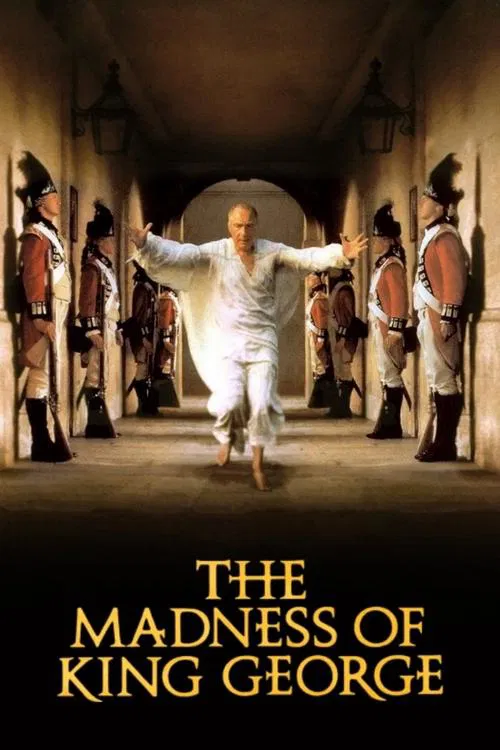
Aging King George III of England is exhibiting signs of madness, a problem little understood in 1788. As the monarch alternates between bouts of confusion and near-violent outbursts of temper, his hapless doctors attempt the ineffectual cures of the day. Meanwhile, Queen Charlotte and Prime Minister William Pitt the Younger attempt to prevent the king's political enemies, led by the Prince of Wales, from usurping the throne.
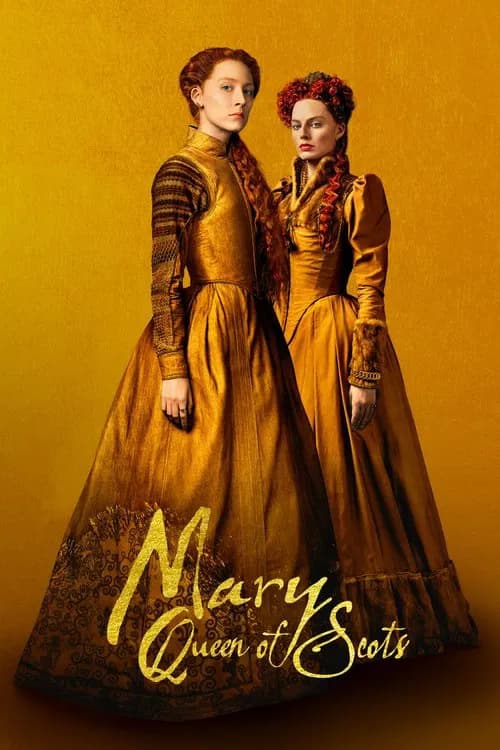
In 1561, Mary Stuart, widow of the King of France, returns to Scotland, reclaims her rightful throne and menaces the future of Queen Elizabeth I as ruler of England, because she has a legitimate claim to the English throne. Betrayals, rebellions, conspiracies and their own life choices imperil both Queens. They experience the bitter cost of power, until their tragic fate is finally fulfilled.

