Loading titles…
Documentary
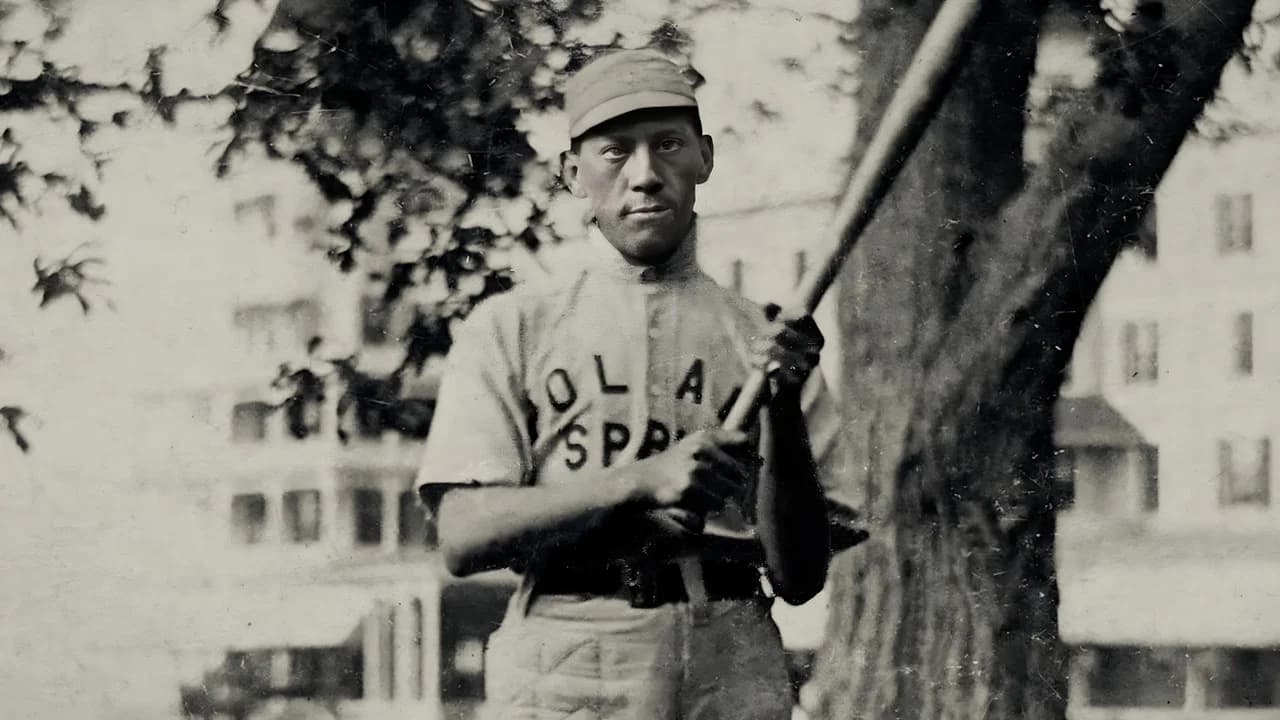
In late 2021, Cleveland’s baseball team was reborn as the Guardians. This documentary, directed by Lance Edmands, chronicles the saga of that name change, which has its roots in a forgotten legend named Louis Sockalexis, and the tragedy that enveloped his story more than a…
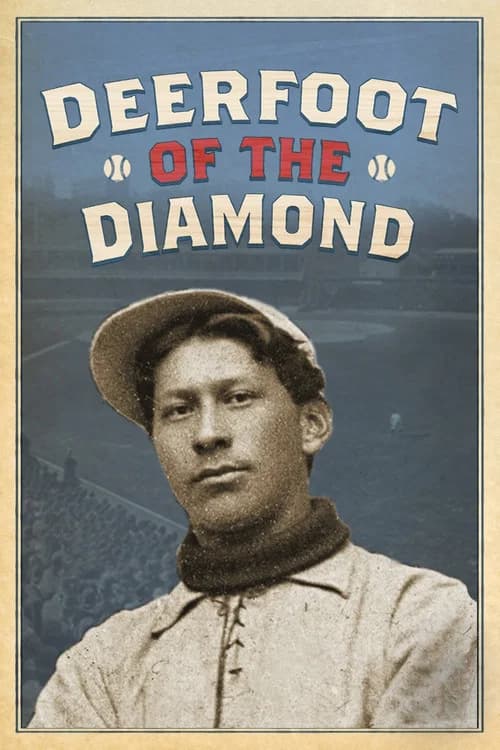

Louis Sockalexis (voice)
Louis Sockalexis
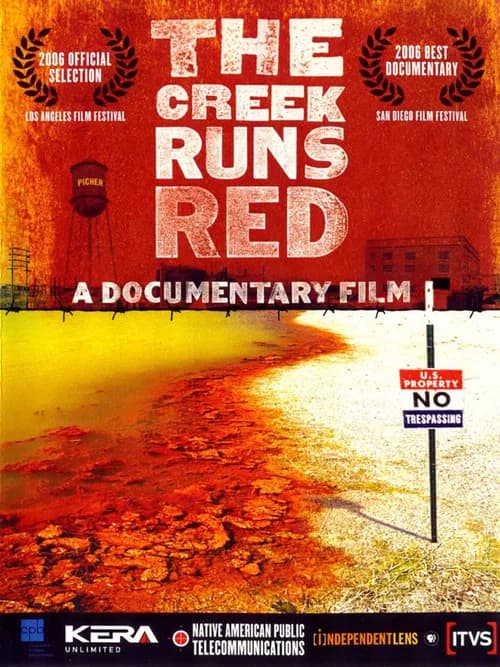
The town of Picher, Oklahoma, was once home to the world's richest lead and zinc mining field. After decades of mining, towering piles of mine waste covered 25,000 acres, devastating Quapaw tribal lands and local economies. Acid mine water burned nearby Tar Creek and stained it red. Despite these environmental hazards, many people in Picher desperately wished to stay and revitalize their town.
In 2008, a year before the great Dock Ellis died at 63, radio producers Donnell Alexander and Neille Ilel, recorded an interview in which the former Pirate right hander gave a moment by moment account of June 12, 1970, the day he no-hit the San Diego Padres. Using their original radio documentary as the audio and inspiration, Isenberg commissioned an original animation from James Blagden whose incredible black and white illustrations, lo-fi animation and comic timing perfectly complemented Ellis’s masterful storytelling.
In the Sacramento Mountains of Southern New Mexico In the shadow of Sierra Blanca Peak Live the proud people of the Mescalero Apache With a history of peace, and unimaginable struggle The Mescalero live to honor their ancestors While fighting to survive in a modern world This is their story, in their words, from their Homeland Nation.
It's been a decade since the Federation of Cuban Women encouraged its members to form women's baseball teams. The call launched a movement that has seen women's teams spring up across the island—even as they face scorn and opposition from men who feel that women should not be playing what they see as a man's game.
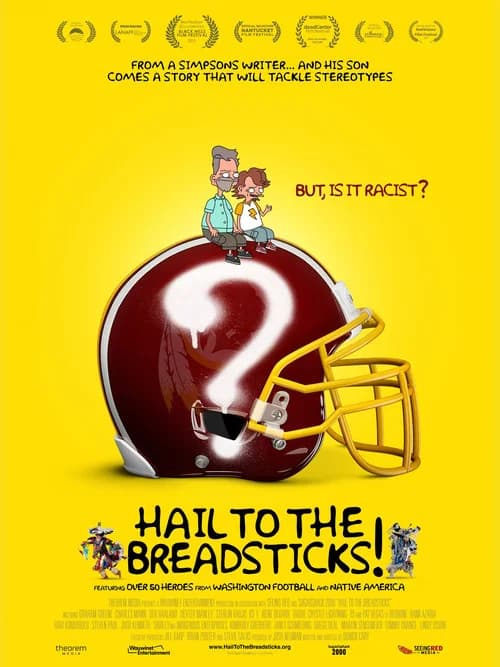
Writer producer Donick Cary (The Simpsons, Parks and Recreation, Have a Good Trip, etc.) has been a huge fan of the Washington D.C. pro football team since before he could walk. Passed down from his dad, he was excited to pass the tradition onto his kids. Donick never questioned the team name and or Native American logo until one day, while watching a game, his 9-year-old son, Otis, asked him if it was racist. When Otis suggests they ask Native Americans how they feel, it sends the two on a cross-country journey full of unexpected surprises.
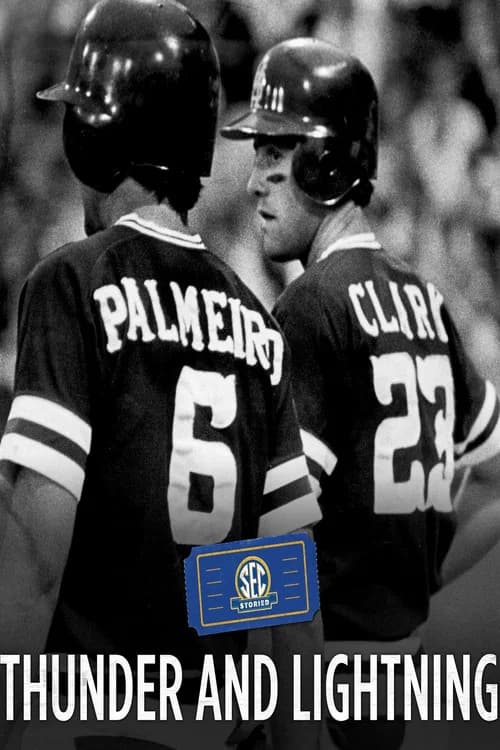
The best team never to win the College World Series? It might have been the 1985 Mississippi State Bulldogs, who produced four Major League Baseball All-Stars. Two of them, Bobby Thigpen and Jeff Brantley, became Relievers of the Year, while the other two, Will Clark and Rafael Palmeiro, formed the imposing one-two hitting punch known as "Thunder and Lightning." The brash and bold Clark was born in New Orleans, the son of a pool hustler, while the soft-spoken and shy Palmeiro was a son of Cuban immigrants who did his talking at the plate. As teammates at Mississippi State, they nearly propelled the Bulldogs to a College World Series title. Thirty years later, director Rory Karpf revisits those fabled Bulldogs, tracks the complicated relationship between Clark and Palmeiro, and brings closure to men who should be remembered for what they did, and not for what they didn't do.


The Cherokee language is deeply tied to Cherokee identity; yet generations of assimilation efforts by the U.S. government and anti-Indigenous stigmas have forced the Tri-Council of Cherokee tribes to declare a State of Emergency for the language in 2019. While there are 430,000 Cherokee citizens in the three federally recognized tribes, fewer than an estimated 2,000 fluent speakers remain—the majority of whom are elderly. The covid pandemic has unfortunately hastened the course. Language activists, artists, and the youth must now lead the charge of urgent radical revitalization efforts to help save the language from the brink of extinction.
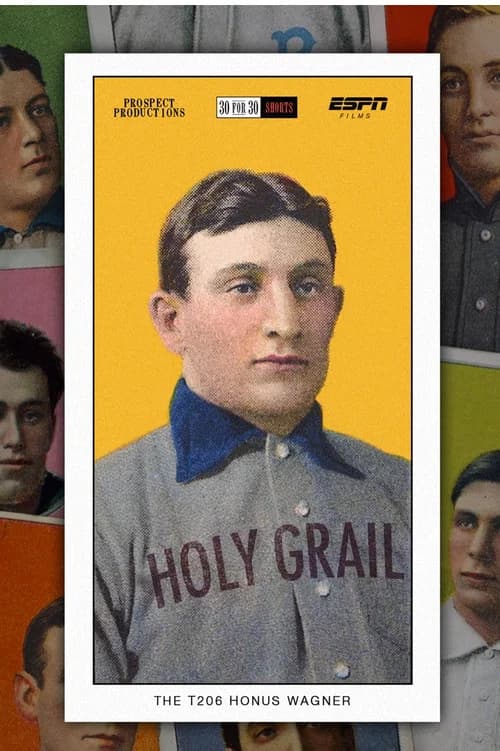
The T206 Honus Wagner is the most famous baseball card in the world. Bought and sold many times over, the card has now appreciated to nearly $3 million dollars. But, this gem may have been doctored. From mere speculation, the accusations of alteration have risen all the way to federal indictments. But this is still 'just' a baseball card. It is a small square in the tapestry of our national pastime. And, as the art world readily illustrates, it may be that no matter what was done or not done to 'The Card,' its value really does lie in the eye of the beholder.