Loading titles…
Cast
Cast
Cast
Drawing inspiration from Kathy Acker's novel "Pussy, King of the Pirates" and her cut-up methodology, this film embarks on an exploration of the interconnectedness between the bodily realm and the realm of celluloid. By employing surgical cuts as a metaphorical device, the film establishes a striking analogy between the incisions made on the skin and the sutures that bind the film through the art of editing. It presents a captivating portrait of three subjects whose dissident bodies transcend the confines of the gender binary. Using a Super 8 camera, the film captures details of the subjects, focusing on their skin, tattoos, and scars. These visible traces become a testament to their personal histories, akin to the tangible memories etched onto the surface of celluloid.
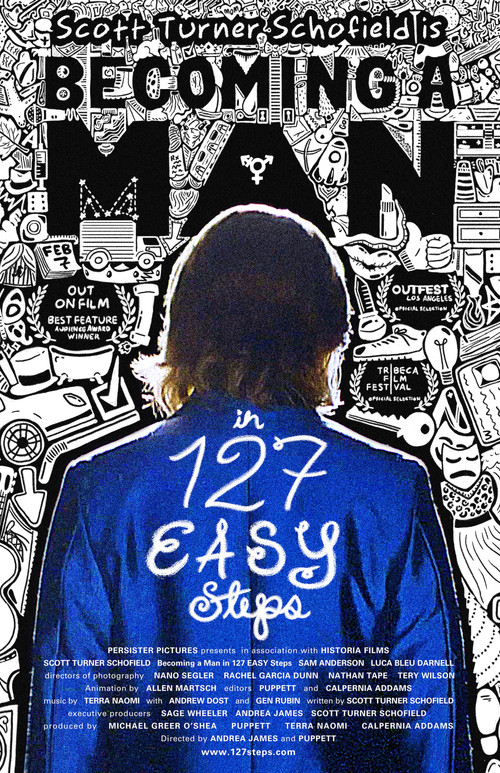
Part comedy special, part oral history, part love letter to becoming your true self, Becoming a Man in 127 EASY Steps chronicles two decades of Emmy-nominated creator/performer Scott Turner Schofield’s life as an out transgender man. With a knowing nod to the often-overlooked comedy of transitioning, the film reflects on the many layers of becoming oneself, exploring nuanced truths and breaking important new ground in trans representation. Twice censored (so far) and arriving amid a cultural and legislative reckoning, the film resists simplification in what it explores, how it tells the story, and the form it takes. Instead, Schofield brings vulnerability, wit, and presence to the details of his own life, connecting the personal to the universal and reminding audiences of all we share. Funny, profound, and fiercely honest, Becoming a Man in 127 EASY Steps celebrates complexity and invites viewers to consider, more deeply and compassionately, what becoming—and being—a man can mean.
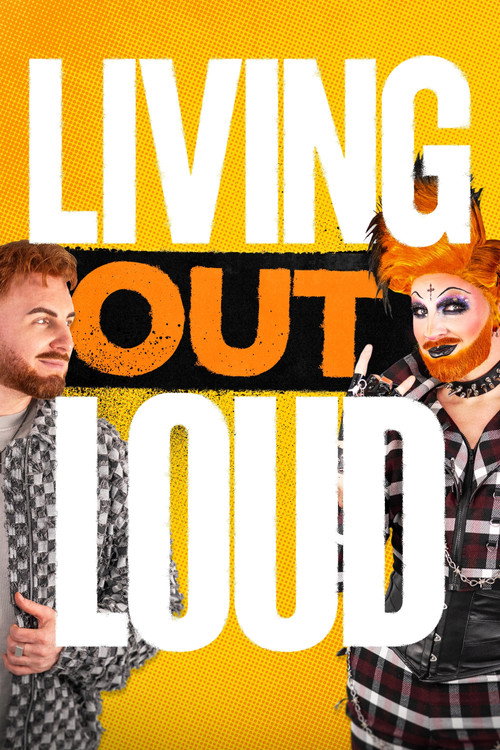
In a time when the visibility of LGBTQ+ people in Britain has never been higher, so too has the backlash. Guided by the beloved drag star, Copper Topp, Living Out Loud confronts the rising tide of homophobia and transphobia sweeping the UK, while celebrating the resilience and brilliance of the queer community.
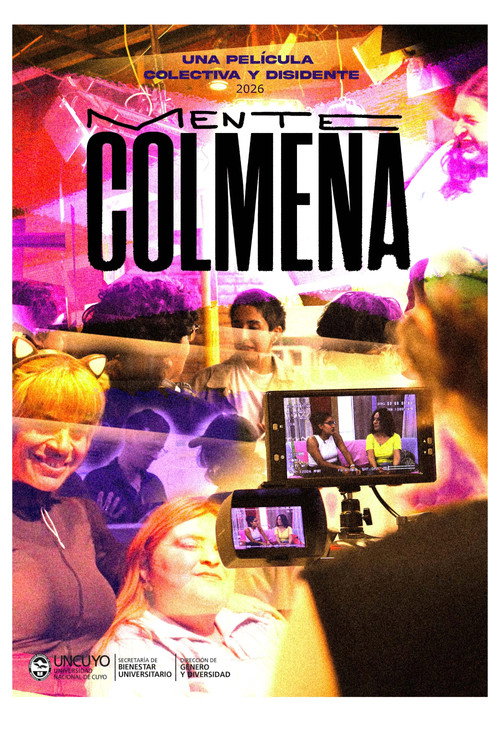
In Argentina, there are no figures tracking the university journey of LGBTTTIQNBPA+ identities. This documentary seeks the answers that statistics leave out: who is part of the public university? It is an exploration of the right to education, bodily autonomy, and the networks of care and affection that sustain people throughout academic life. Finally, it poses an urgent challenge: What does the university have to learn from its own community?
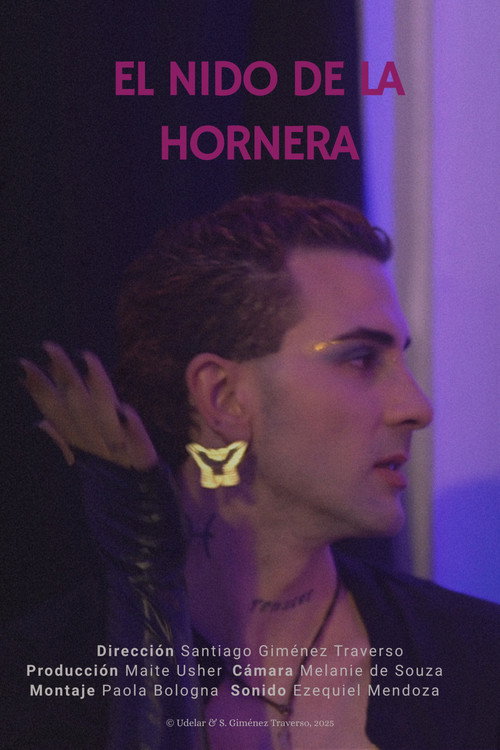
Lean (25) is a transfeminine person living in El Dorado, Canelones Uruguay. In the early stages of her transition, she struggles with the “masculine” perception of her body. Every day, she meticulously observes herself in the mirror and transforms herself with her own hands. Lean is also a philosophy teacher at Los Cerrillos High School. Within the institution, we see a certain rigidity and discretion in her, but also the bond she shares with her students, with whom she opens up about aspects of her personal life. She is surrounded by her chosen family, House of Infernal, where she can openly discuss issues related to trans life with complete naturalness. Together, they attend kikis, events within Uruguay’s ballroom scene, where they perform and express themselves through their bodies. In this way, our protagonist manages to escape the heteronormative everyday life by creating safe spaces and building a community of people who support one another.
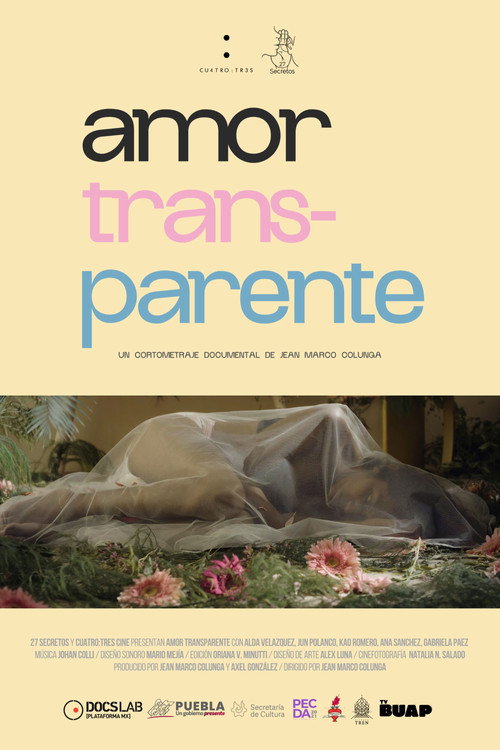
In a country where being transgender still carries risk, Mexican mothers and their children embark on an intimate journey toward understanding. Amid silences, memories, and words that once caused pain, they recount their process of mutual transformation—from fear to chosen love. This documentary reveals that love can be learned, that it can defy fear, and that even in hostile environments, accompaniment becomes an act of resistance.