Zhao Xiao
Zhao Xiao
小招
In the autumn of 2010, the poet Xiaozhao set off from Beijing and took a national tour of his personal poem collection "My Hope is on the Road" printed at a print shop. All the way up and down, full of ambition. Photographer Zhuang Ruijie went to Guangdong halfway to shoot. He…
小招
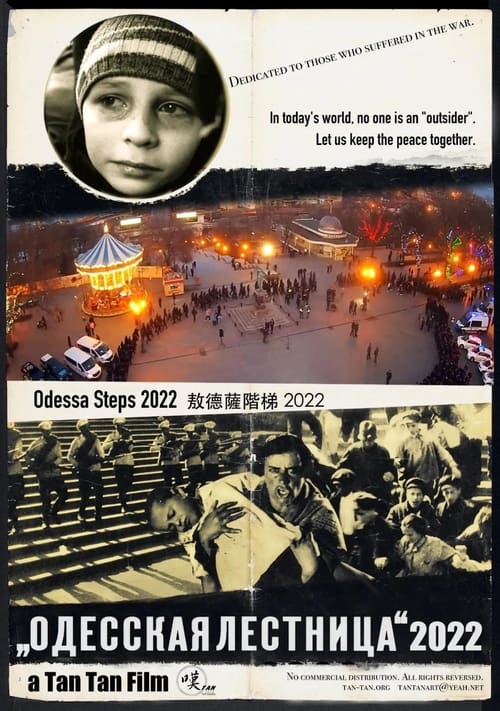
This film cross-cut the "Odessa Steps" chapter from the famous war movie "Battleship Potemkin" (1925) and the actual footage of the Russo-Ukrainian conflict in 2022. It uses a 21st-century "Montage d'Attraction" to explore The circle of history, the contradictions of civilization, and the crisis of life.
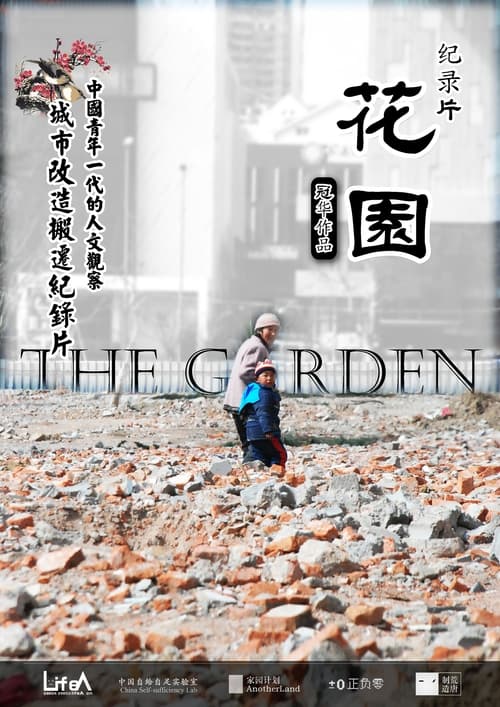
The documentary "The Garden" focuses on the "old city renovation" project of BaDaHu Residential area in Qingdao. After the film was released online, the renovation project of this residential area became the only illegal demolition activity that was stopped in China in 2010. A special report by China Central Television revealed that this project was demolished and built without government approval by impostor, fictitious official letter.
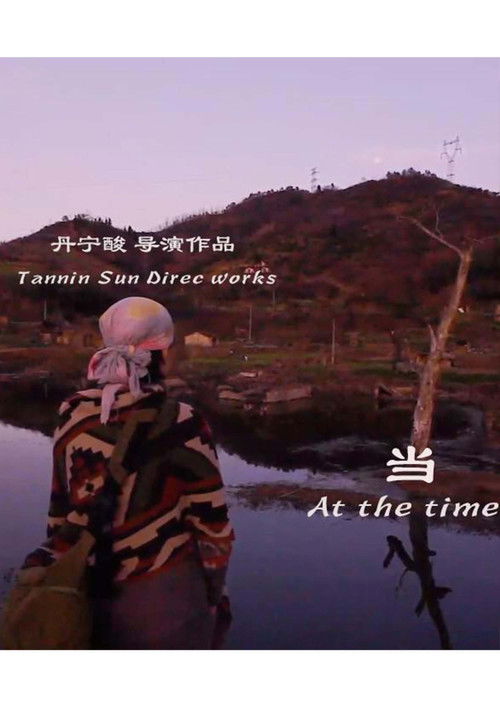
In the Chinese New Year of 2017, Solar and I went together to visit David Zhang who was practicing kung fu on Wudang Mountain. As the three of us interacted, we observed and looked after each other. We also filmed each other to document and reconstruct this experience of listening to each other and growing up.
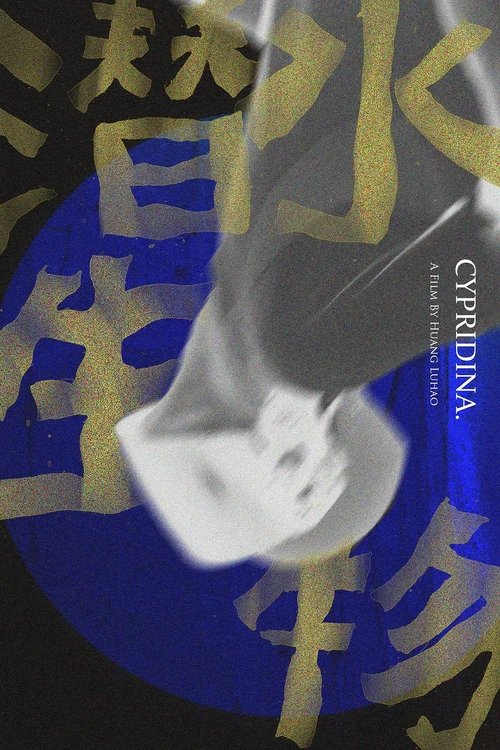
This film is about the story of the main character and his younger brother, the younger brother saw the comic book of the main character, in his brain, he had a fight of animal chess related to memory. The younger brother belongs to the green party, the elder brother belongs to the orange party, at last the elder brother lost and the younger brother won in his consciousness, the younger brother took the elder brother to see the future elder brother in the heart of the younger brother.
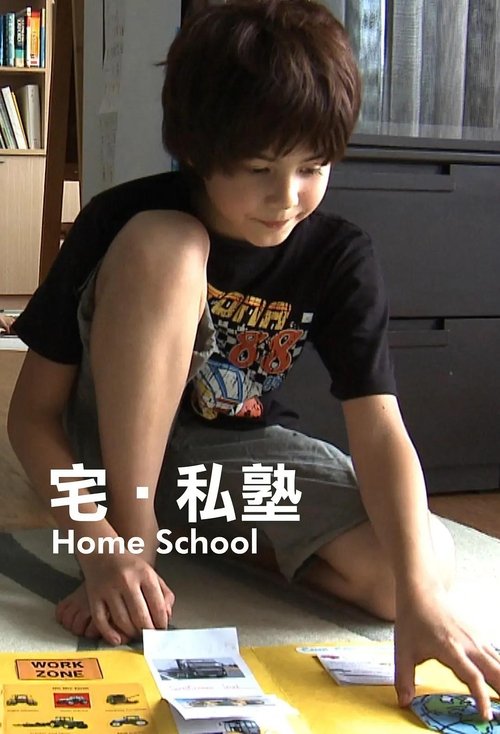
Here is only one chance in life, and the way of education has a profound impact on the future of children; letting children go to school at home is a challenge and an experiment that does not allow failure... This film visits four families who have completely different backgrounds but also choose to teach themselves. Through the sharing of experiences between their children and their parents, it presents the appearance of the phenomenon of self-study in Taiwan today. Is the pursuit of the happy growth of one's own children contradictory to the hope that the children will become a dragon and a phoenix? What kind of learning environment should we prepare for children? How do families with different backgrounds and children with different qualifications choose appropriate education methods? What is best for children?
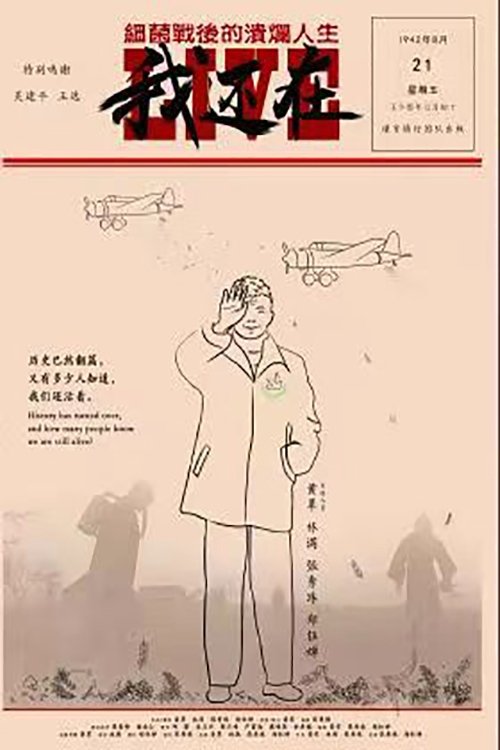
On August 21, 1942, while the Japanese "Expeditionary Team" immediately retreated with ground troops, they scattered anthrax on fields, grasses, and crops in urban residential areas along the Zhejiang-Jiangxi traffic. People along the route mostly depend on farming for their livelihoods, so at the same time, many people crippled and died with rotten feet. According to incomplete statistics, there are only more than 160 suspected germ warfare survivors in Quzhou, Zhejiang. This film focuses on these surviving elderly people. When 70 years have passed since the war and a new chapter of history opened, what kind of lives are the old people who are victims? What kind of mental state are you in? Will the wounds left over from the war heal? What is the attitude towards war?
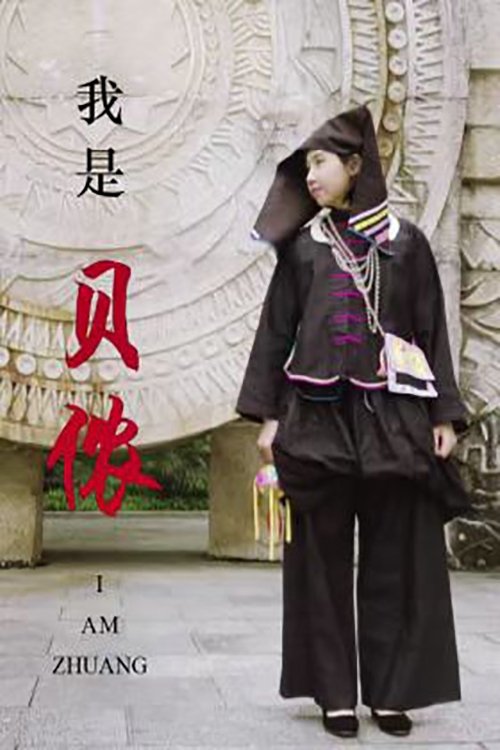
Beixnuengx means compatriot in the Zhuang language. I was born and raised in the city. Although I am Zhuang (China’s ethnic group), am I Beixnuengx? I want to find my identity. So I started with Zhuang folk songs. I set off from Nanning to Wuming, Baise, and then to Mashan, my hometown that I have never been to. I met people singing songs in WeChat groups; I joined the Zhuang song festival at the entrance of the village, I visited 100-year-olds who still make Zhuang brocade... What are the stories of those singing folk songs? What Beixnuengx culture is revealed in folk songs? Along the way, I slowly uncovered the much advertised Zhuang culture and saw her in the most original form. In the end, how did I answer my initial question?