Loading titles…
No cast information available.
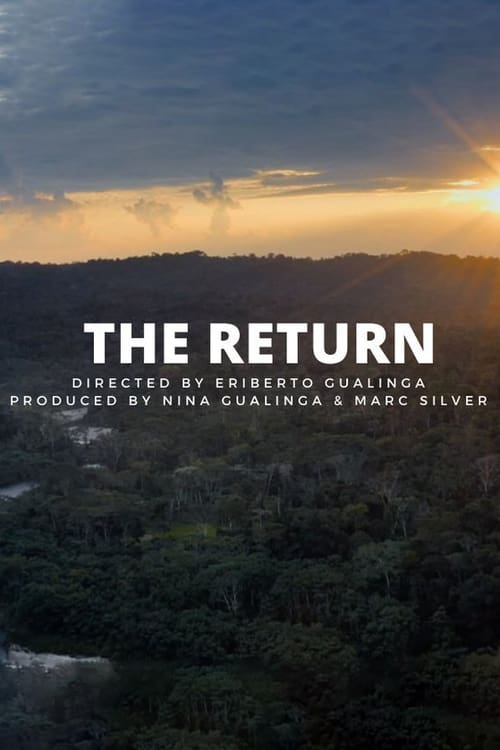
It’s spring in the Ecuadorian Amazon and the Uyantza festival is underway with the community celebrating all that the forest has to offer. Meanwhile, news is breaking around the world that a novel virus is spreading and a state of emergency is declared across the country. As people test positive for COVID-19 in the community, some families decide to leave and head deeper into the jungle. Disconnected from school, friends, the internet, and work, one family learns to reconnect with life in the forest. The children begin to unlearn the national curriculum, and instead are taught Indigenous knowledge that mainstream schools normally pass over. As COVID-19 wreaks havoc around the planet, the family reconnect to their ancestral ways, but as news arrives that Ecuador’s lockdown will end soon, will the family choose to return?
Public health scientists and clinicians tout vaccines as one of the greatest achievements of modern medicine. But for many ordinary Americans vaccines have become controversial. Young parents are concerned at the sheer number of shots — some 26 inoculations for 14 different diseases by age 6 — and follow alternative vaccination schedules. Other parents go further. In communities like Ashland, Oregon, up to one-third of parents are choosing not to vaccinate their kids at all. This is the vaccine war: On one side sits scientific medicine and the public health establishment; on the other a populist coalition of parents, celebrities, politicians and activists.
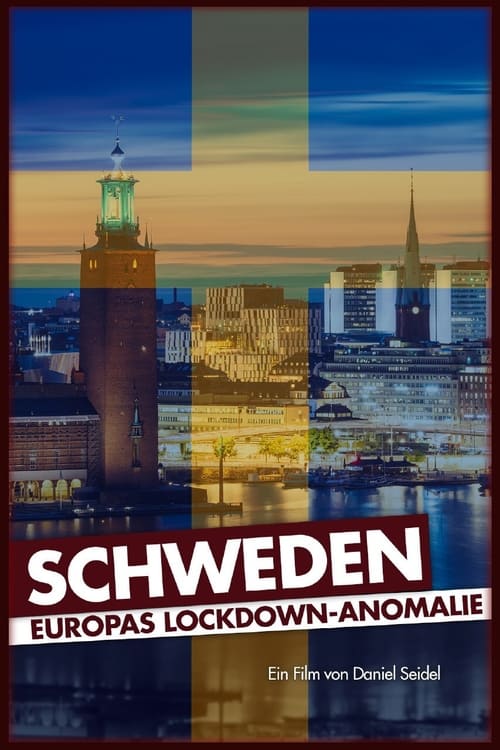
Oh how nice is Panama. However, it may be even nicer in Sweden. At least in winter 2020/21, when a small virus called SARS-CoV2 paralyzed the continent of Europe in particular. While in most countries the fight against the virus was announced with a wide variety of measures such as lockdown, compulsory masks and contact restrictions, which were also punishable by law, Sweden went a different way.
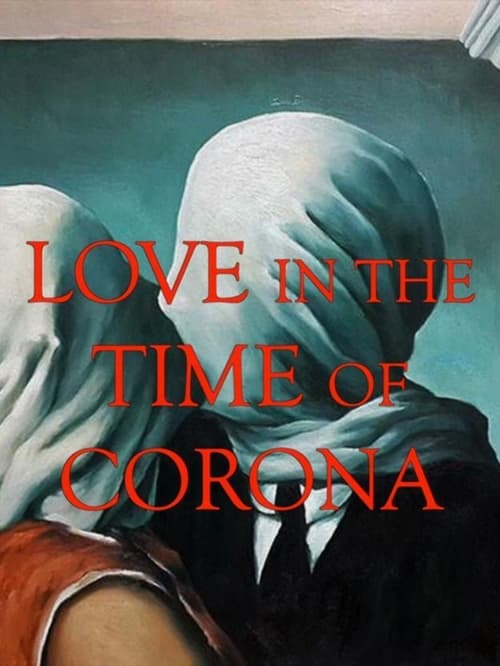
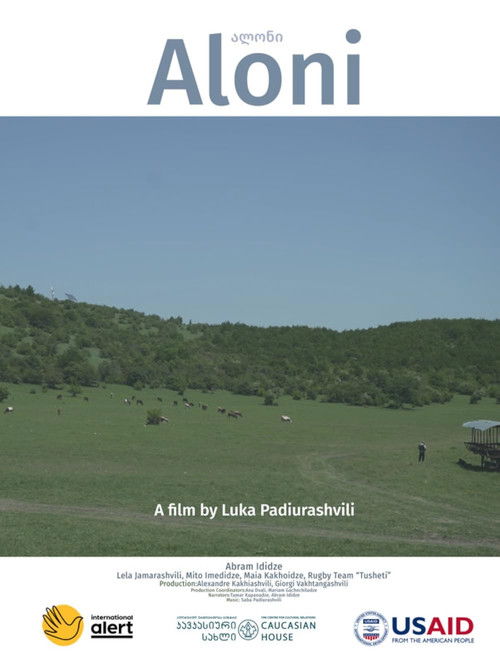
A young student heads back to his village during the COVID-19 lockdown to collect ethnographic material for his thesis, but as quarantine stretches on, the rituals and everyday scenes he records start bringing back childhood memories-leading him to piece the footage together into something more personal.
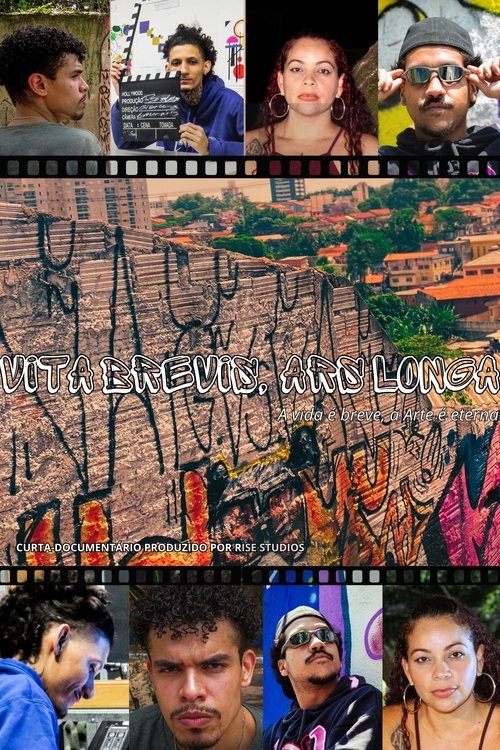
In the midst of a pandemic, government arbitrariness and the precariousness of Brazilian artists, the documentary shows how these four rappers resisted the difficulties of this period using only one weapon... music. Using plurality, creativity and cleverness, how did they produce music? What role did music play in this period? What did they have to do to stay alive as rappers?