Loading titles…
Documentary
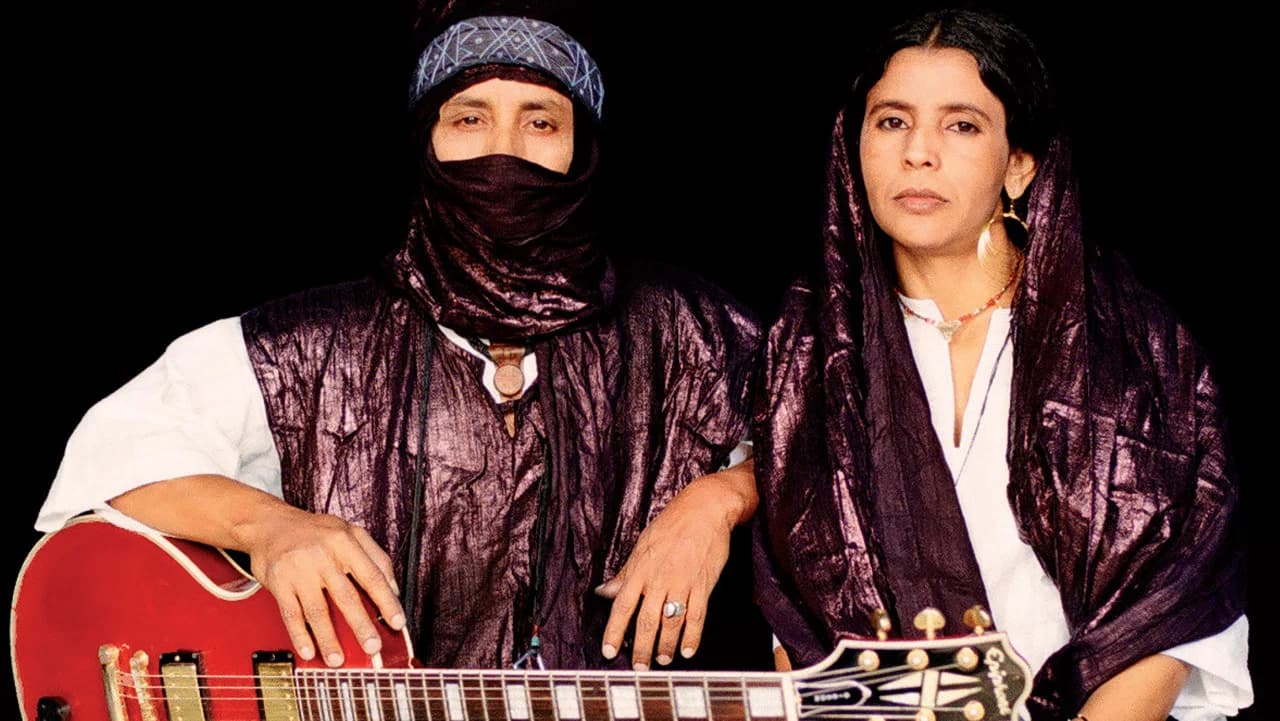
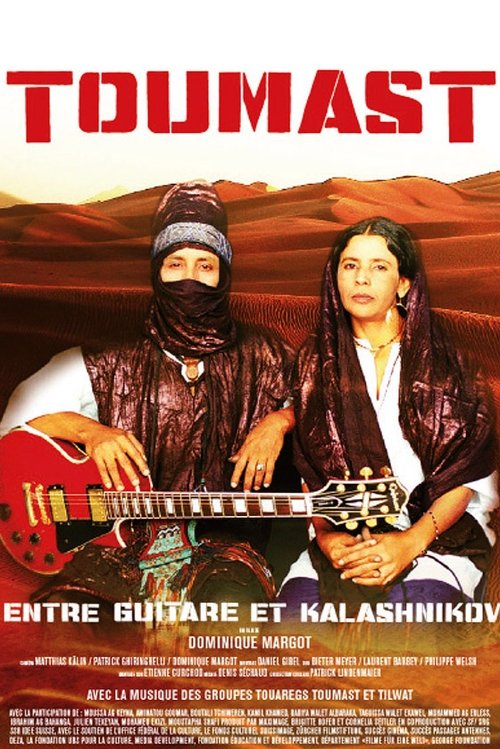
In 1996, Kalashnikovs were publicly burnt in Timbuktu. At the time, the "Flame of Peace" symbolized the end of the Touareg rebellion, which had been suppressed in bloody massacres. That year, the rebels laid down their arms. That year, with the government having made promises,…
No cast information available.
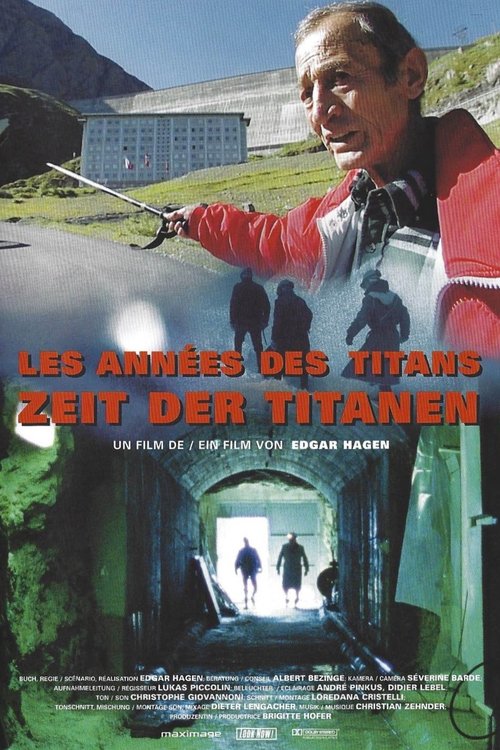
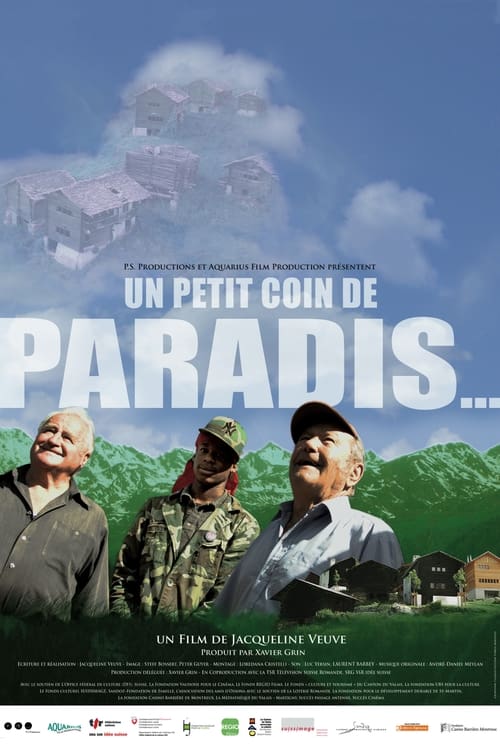
Between 1950 and 1966, thousands of men set off into the high mountains of the Valais, into a primitive landscape of rock and ice. Here, they erected a temporary civilization. From here, they blasted the rock beneath the Matterhorn and other towering peaks to dig a 160 km-long labyrinth of tunnels to bring water from 35 glaciers to the world's highest dam: Grande Dixence. Miners and intellectuals such as the writer Maurice Chappaz retraced their steps through this endless black abyss in search of the places where the overcrowded barracks once stood, of which only a few ruins remain today. This is where they surpassed themselves.
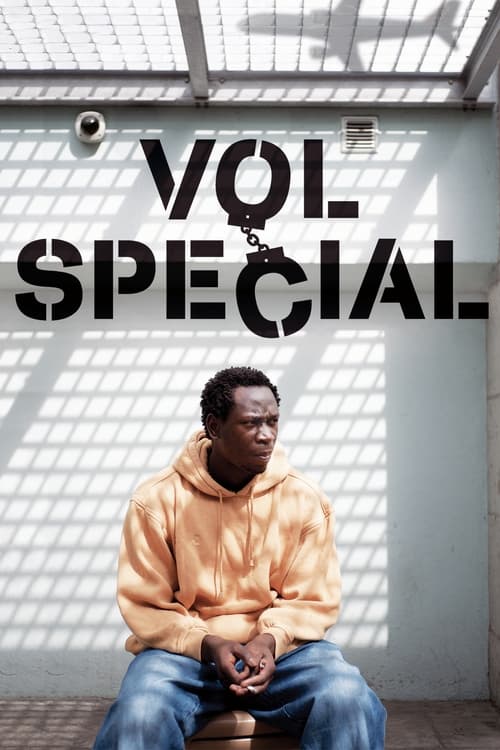
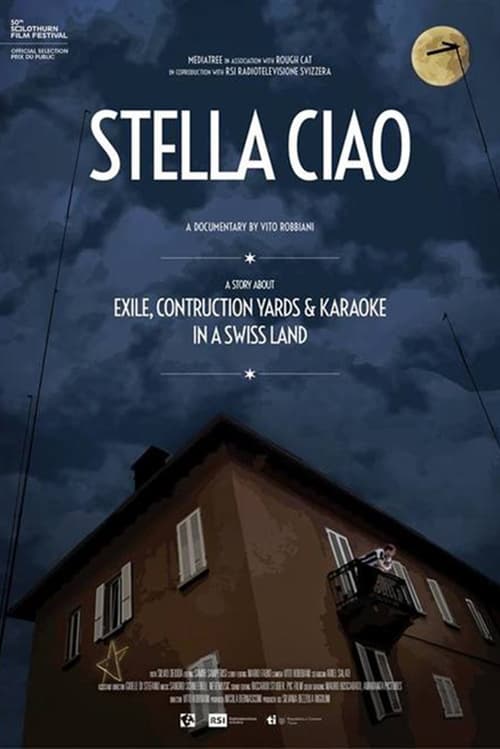
Switzerland still carries out special flights, where passengers, dressed in diapers and helmets, are chained to their seats for 40 hours at worst. They are accompanied by police officers and immigration officials. The passengers are flown to their native countries, where they haven't set foot in in up to twenty years, and where their lives might be in danger. Children, wives and work are left behind in Switzerland. Near Geneva, in Frambois prison, live 25 illegal immigrants waiting for deportation. They are offered an opportunity to say goodbye to their families and return to their native countries on a regular flight, escorted by plain-clothes police officers. If they refuse this offer, the special flight is arranged fast and unexpectedly. The stories behind the locked cells are truly heartbreaking.

The film interweaves the stories of two generations of Palestinians. It tells the story of Elias Jubran, a music teacher and oud maker from Al Jaleel (Galilee), and his children, who live in a totally different way in Israel... or who have left the country in search of a more open way of life. The film shows what it takes for a culture - mired in the threatening environment of the State of Israel - to continue to thrive.
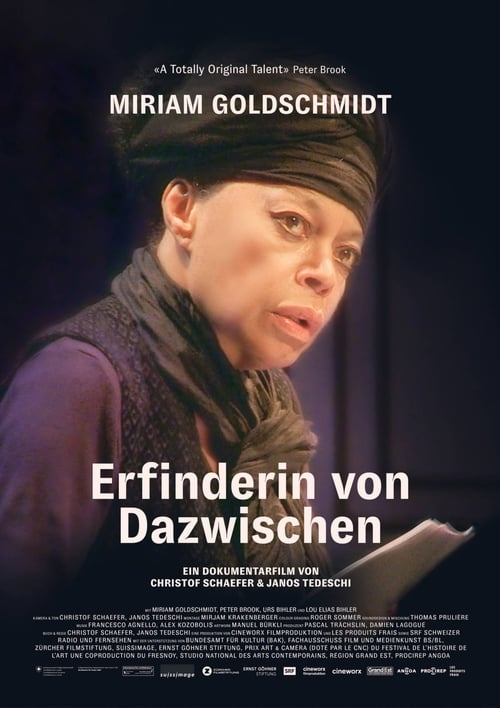
Nearing the end of a long and successful stage career, Miriam Goldschmidt finds her prowess as an actress increasingly on the wane. She struggles to memorize her lines and as her last project with lifelong collaborator, the legendary director Peter Brook, threatens to fall apart, Miriam looks back. Referencing Brook’s ground-breaking book «The Empty Space», she uses an empty rehearsal room in Berlin to invoke her archetypal life journey that took an orphaned black child from post-war Germany to the world’s biggest stages. We «Call Her Miriam» is a bewitching and moving portrait of a great artist living between dream and reality, truth and fction and life and death.