Loading titles…
Documentary
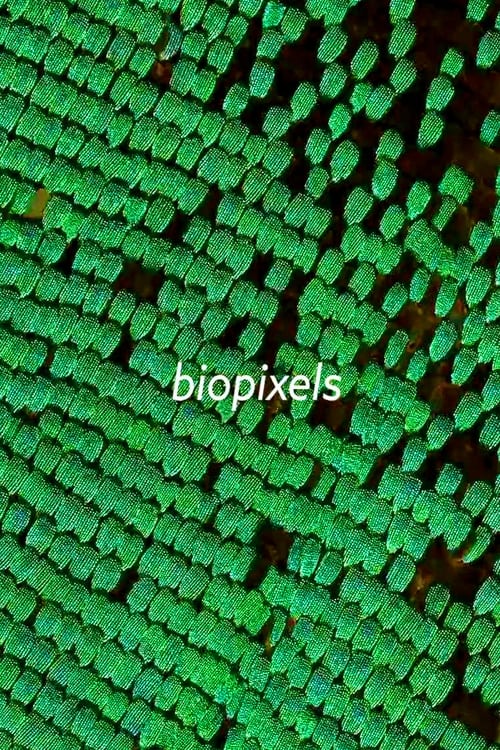
Shot at two cutting-edge research labs which specialize in the evolution of butterflies and moths, BIopixels is an animated short film exploring the world of evolutionary biology on the microscopic scale. The images - rendered from collections containing over 50,000 specimens -…
No cast information available.
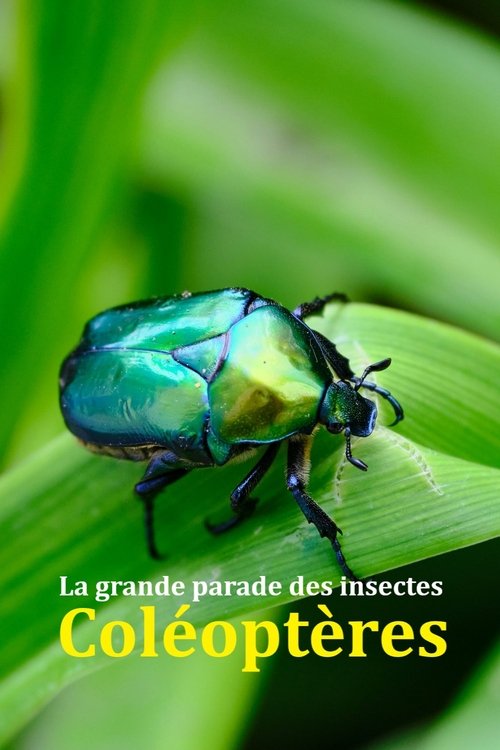
„The Fabulous Insects – Beetles“ presents colourful and bizarrely shaped species as well as the largest beetle in the world, in its habitat in the South American rainforest. The film also shows that the colourful diversity and beauty of beetles and their exciting natural history can be experienced right on our doorstep, in Central Europe. In aesthetic and never-before-seen macro slow-motion and time-lapse shots, the viewer experiences the world of beetles, which is more beautiful, colourful and surprising than many of us realise. No other group of animals on earth is so diverse: beetles come in a wide variety of ‘models’, from miniature versions a quarter of a millimetre in size to large versions twenty centimetres long. Some beetles flaunt jewel-like iridescent colours, while others wear plain black. Some come in eye-catching warning colours, while many wear an astonishing camouflage.
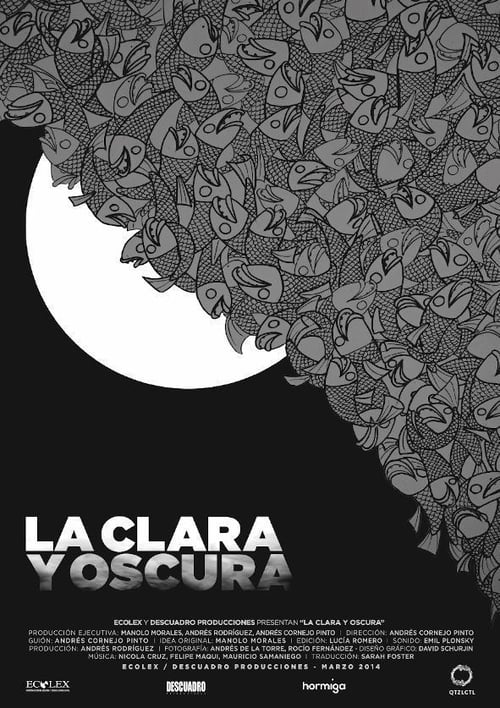
Salango is a small parish south of Manabí. What this land means to Ecuador, however, is huge. Its name is associated with the pre-Columbian legacy of the Manta Wancavilca cultures, the humpback whales that arrive each year to mate, the homonymous island and its coral reefs, the great wealth of marine fauna. It is there, in one of the places with the greatest archeological and environmental heritage of our country, where the Polar fishmeal processor has been operating for 35 years. What does not emerge from the idyllic postcards of the area is the foul smell that pollutes the air, the portrait of people sick from the factory's toxic wastes, the disgusting black smoke that flows into the sea directly from the processor pipeline. That is why it is the struggle of the few members of the community who have not given up and demand that Polar leave.

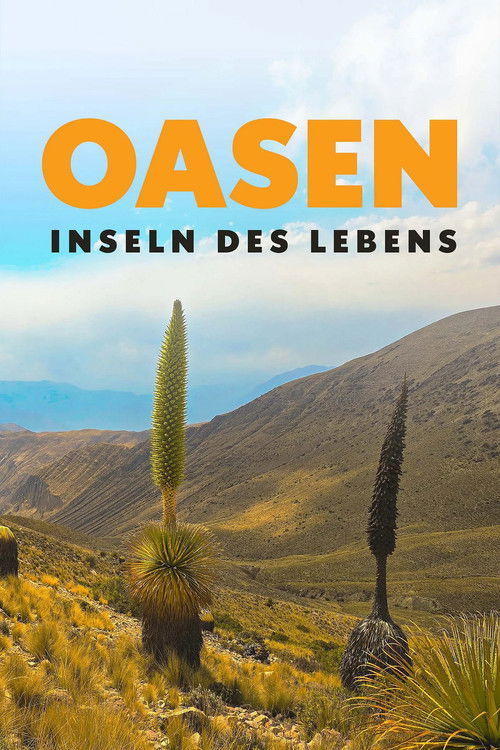
Oases are more than fairytale places in the desert sand. Amidst the stony heights of the Andes, the endless expanse of the Pacific, or the hectic concrete sausages of Mumbai, islands of life flourish. In breathtaking shots, the documentary explores the phenomenon of oases – and the magical places in the Saharan sand are of course included.

Who knows about springtails? And among those for whom this name rings a bell, how many have already seen them? Yet, these small animals, similar to insects, are present in all terrestrial ecosystems. Springtails are undisputed soil regulators. Scientists recognize them today as absolutely essential, especially in the search for pollutants, disruptors, and all the variations that affect our soils, but this little animal is almost unknown. Thanks to extremely precise cameras, as close as possible to these microscopic animals, a teeming life is revealed before our eyes. According to the seasons, the film invites us to get into the intimacy of the springtails, to discover their morphology, their role and their usefulness in the ecosystems of the planet while rubbing shoulders with other organisms in the same environments.

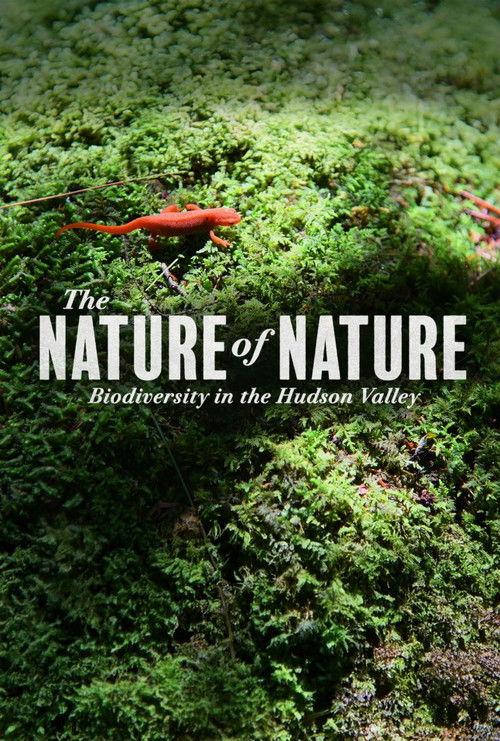
An ode to the remarkable variety of life in the Hudson Valley, The Nature of Nature: Biodiversity in the Hudson Valley celebrates the living fabric of this unique landscape. From high elevation forests to the globally rare tidal marshes along the Hudson estuary, the film captures the beautiful, the complex, the familiar, and the unknown…guided by the plants, animals, and people that call the Hudson Valley home.