Loading titles…
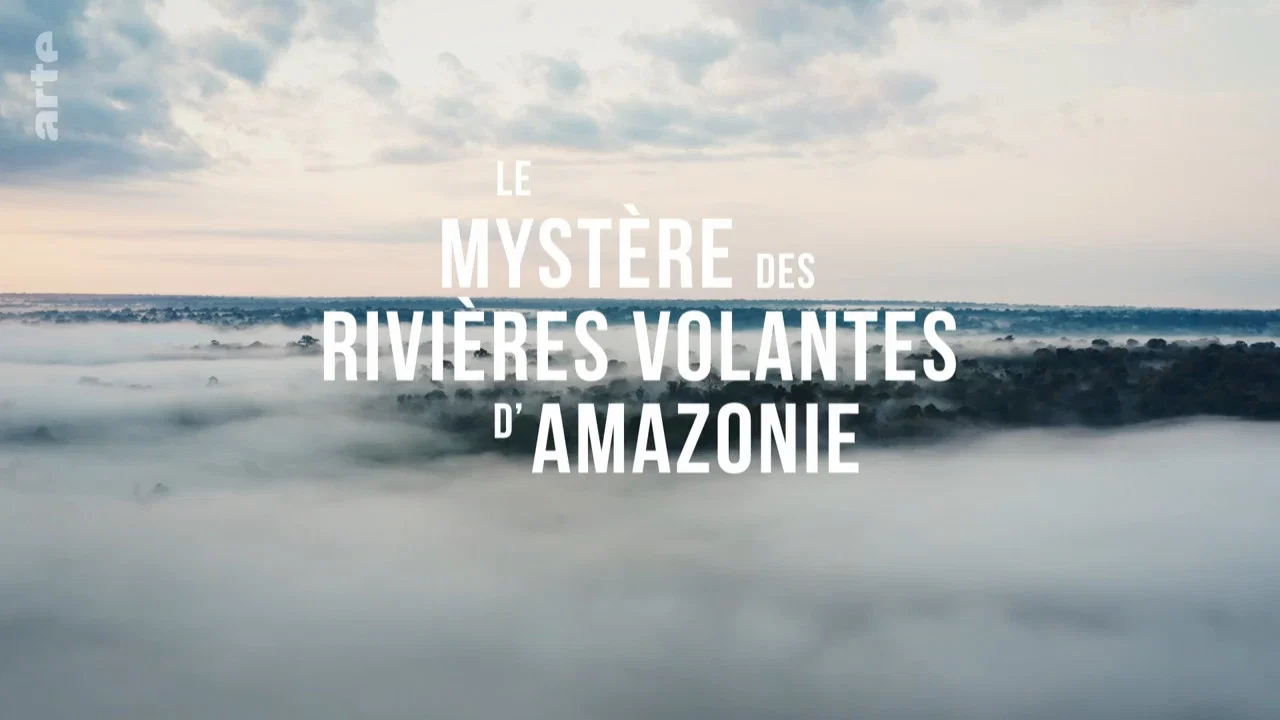
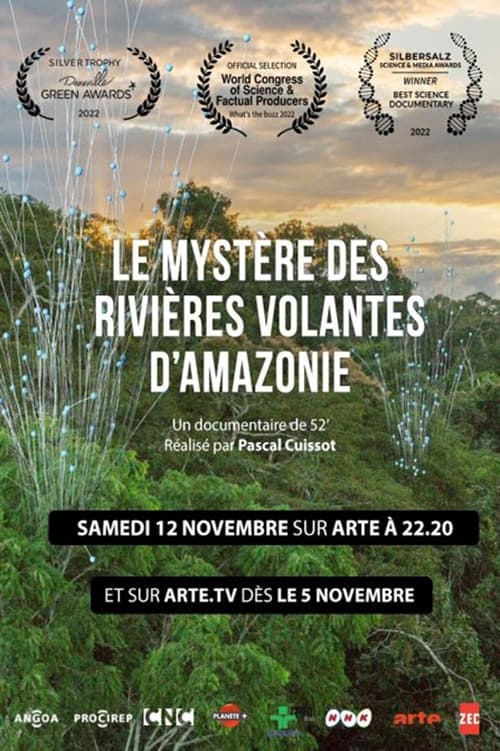
Discovered about twenty years ago, the immense masses of water vapor that fly over the Amazon, called "flying rivers", fascinate researchers. Their future could be intimately linked to climate change.
No cast information available.

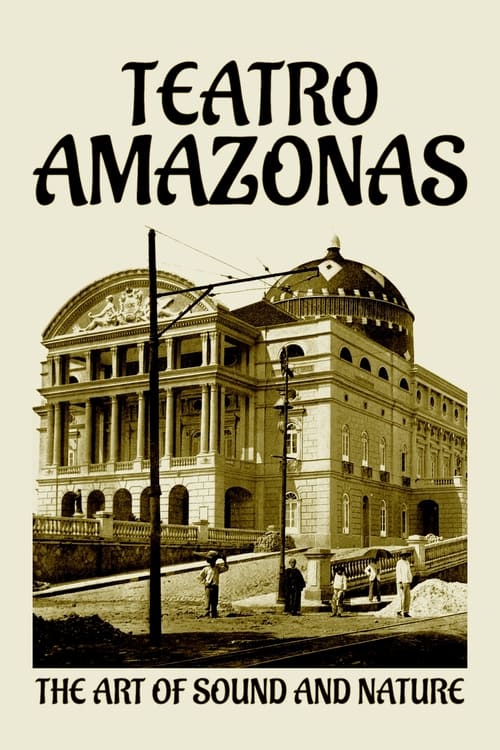
The history of the Teatro Amazonas in Manaus, an opera house located in the middle of the Amazon rainforest, whose construction, between 1884 and 1896, depended on the labor exploitation of the local indigenous populations, provides an insight into the cultural, social and political situation in Brazil.
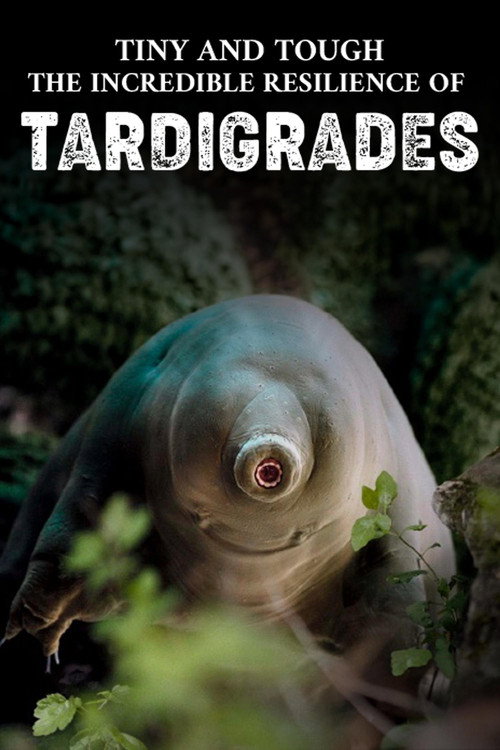
Tardigrades, also known as water bears, are microscopic animals famous for their incredible ability to survive extreme conditions. Despite their funny appearance and slow, bear-like movements, they are among the most resilient creatures on Earth. They can withstand extremely high and low temperatures, enormous pressure, toxic substances, and even high levels of radiation. This documentary explores the secrets behind their remarkable survival abilities and explains how these tiny creatures have developed such extraordinary “superpowers.” Combining scientific information with humor, the documentary also looks at what we might learn from tardigrades and how their unique abilities could have potential applications in the future.

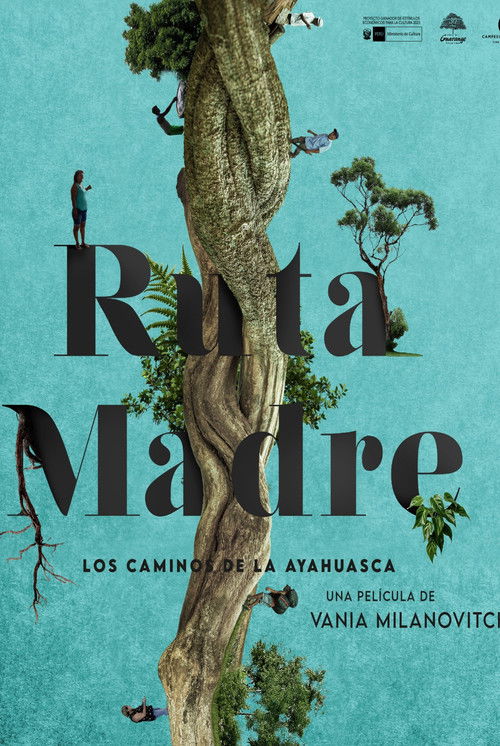
The Shipibo-Konibo people of Peruvian Amazon decorate their pottery, jewelry, textiles, and body art with complex geometric patterns called kené. These patterns also have corresponding songs, called icaros, which are integral to the Shipibo way of life. This documentary explores these unique art forms, and one Shipibo family's efforts to safeguard the tradition.

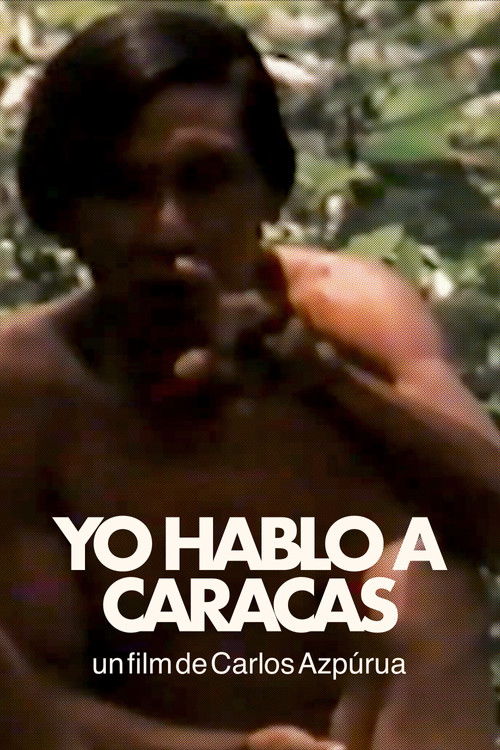
Yo hablo a Caracas (1978), the first documentary by Carlos Azpúrua, is marked by the luminous presence of the Yekuana shaman Barné Yavarí. This elder from the Amazonian forest articulates two powerful and prophetic warnings: first, a demand for respect toward the sovereignty of Indigenous beliefs and culture; second, a grave denunciation of the threat posed by “criollo” presence and its economically irrational logic to the natural balance of the Amazon. Through Yavarí’s voice, the film contrasts modern exploitation with a millennia-old Indigenous worldview grounded in harmony with nature, turning the documentary into an early and resonant plea for cultural dignity and ecological consciousness.