

Loading titles…
Documentary
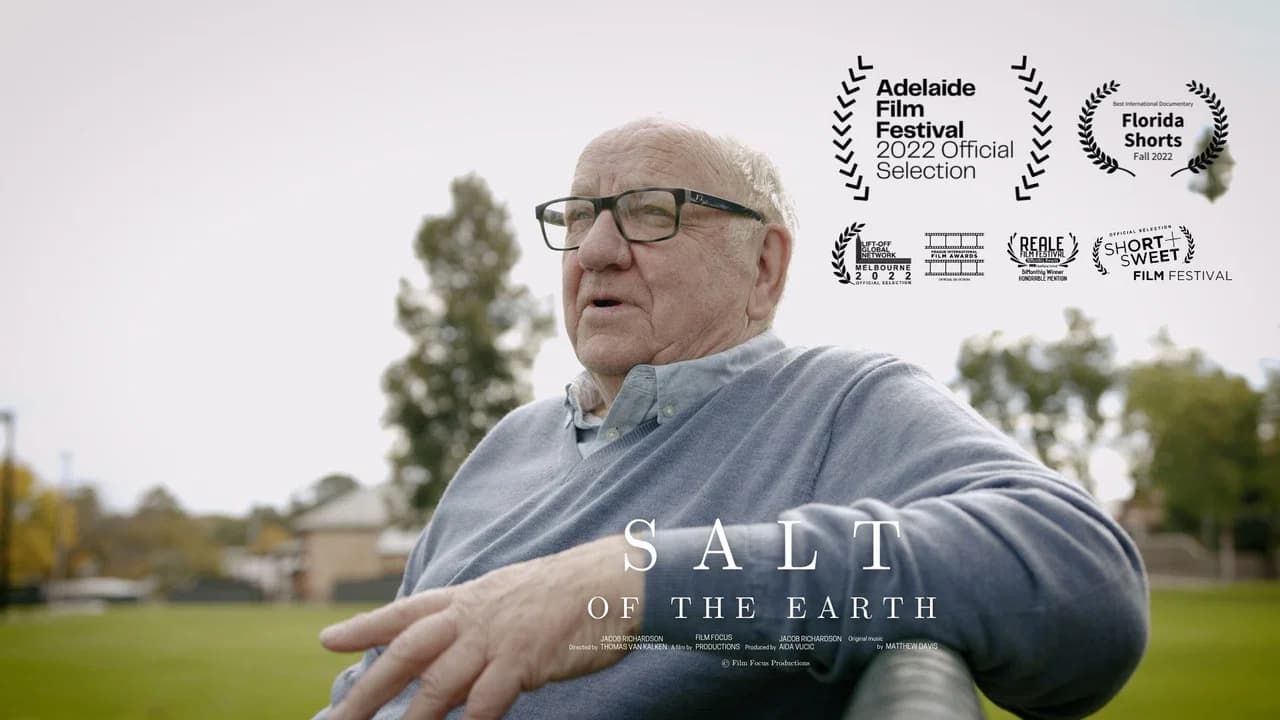
An Australian icon found on every supermarket shelf, and coating every game day pack of hot chips. But the story of the South Australian man who invented the famous Chicken Salt has never been told. While he sold the company in the late 70’s to the brand names you see in your…

as Himself

As part of the 2017 UK-India Year of Culture, the British Council and British Film Institute share a unique collection of films documenting the sights and culture of a bygone India. Filmed between 1899-1947, and preserved in the BFI National Archive since then, these rare films capture many glimpses of life in India, from dances and markets, to hunts and pageantry.

This documentary film traces the struggle of Indian auto workers of the Maruti Suzuki factory in Manesar, near Delhi, in forming a union. Investigating the underbelly of class conflict and exposing a widespread system of injustice, the film focuses on the repression faced by the workers and their criminal prosecution.


Ten years after winning a world title in bodybuilding in Russia and becoming a star of said discipline in Mexico, Antonio Osta (43) leads a life of austerity in the Uruguayan rural town where he grew up. He resides there with his son Juanjo (17), a sensitive teenager who keeps him company and confronts him openly. Suffering from acute kidney disease which keeps him from competing professionally, Antonio is stuck in limbo, halfway between his glorious past and the impossibility of being who he once was. However, he is unwilling to give up his lifestyle, even if it kills him. In an attempt to reinvent himself, and seeking a better future for his son, Antonio plans a comeback to the Mexico bodybuilding scene, where he may relive his glory days.


Just after midnight on 10 March 1945, the US launched an air-based attack on eastern Tokyo; continuing until morning, the raid left more than 100,000 people dead and a quarter of the city eradicated. Unlike their loved ones, Hiroshi Hoshino, Michiko Kiyooka and Minoru Tsukiyama managed to emerge from the bombings. Now in their twilight years, they wish for nothing more than recognition and reparations for those who, like them, had been indelibly harmed by the war – but the Japanese government and even their fellow citizens seem disinclined to acknowledge the past.


