Loading titles…
In February 2013, the New World Symphony presented Making the Right Choices: A John Cage Centennial Celebration, a spectacular three-day festival dedicated to the music and ideas of John Cage. As part of the festival, NWS hosted a new video installation entitled NWS: 4’33″,…
No cast information available.
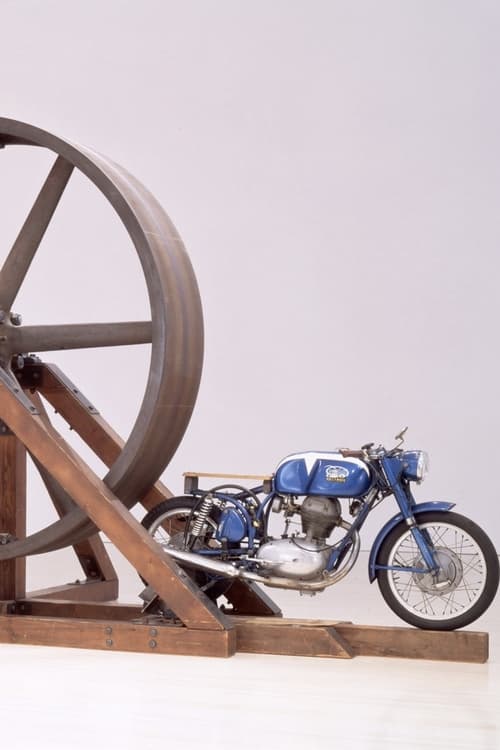
During the 1980 exhibition of Burden's monumental kinetic sculpture The Big Wheel at Ronald Feldman Fine Arts, New York, Burden and Feldman were interviewed by art critic Willoughby Sharp. Burden articulates the process of creating The Big Wheel, a 6,000-pound, spinning cast-iron flywheel that is initially powered by a motorcycle, and discusses its relation to his earlier performance pieces and sculptural works. Addressing his motivations and the meaning of this potentially dangerous mechanical art object, Burden discusses such topics as the role of the artist in the industrial world, "personal insanity and mass insanity," and "man's propensity towards violence."
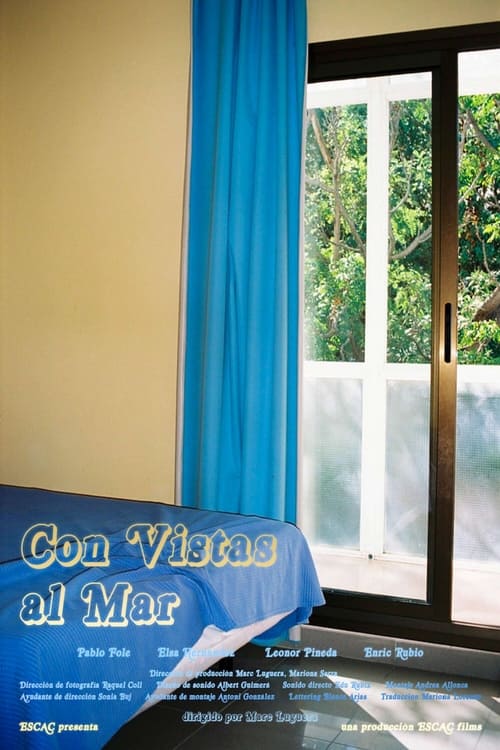
After consolidating itself as a tourist destination in the mid-1960s, this small coastal village has become the dormitory town for the workers of a Nuclear Power Plant. With the liberal promise of prosperity and socioeconomic wellfare, many workers left their homes to move to the small city and started working at the new Nuclear Power Plant. The collective unrest and the silence, cut off by the great gusts of wind, articulate the landscape of the village that is now under the aid of the Nuclear Power Plant.

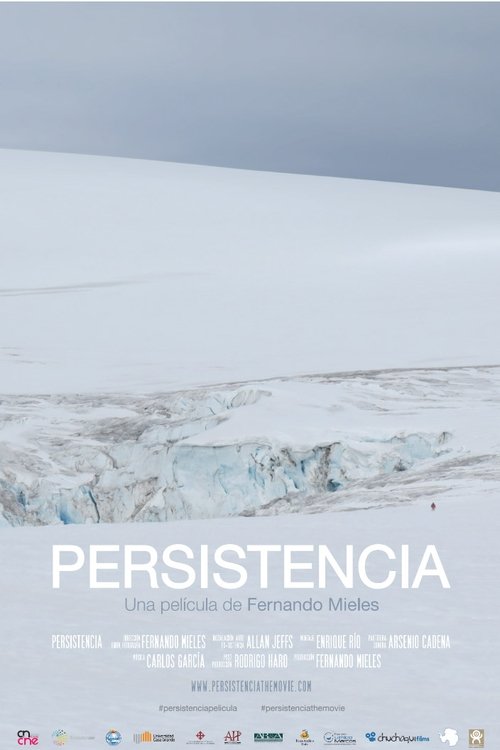
In Antarctica, an artist prepares his installation simultaneously with a group of scientists conducting research. An essay on the persistence and loneliness of the creative act; like the flight of a butterfly in chaos theory or a silent prayer. A sensory experience. A visual poem made of ice, snow and wind.
A reflection on the iconic headquarters of the Johnson Publishing Company in downtown Chicago. The eleven-story Modernist building on South Michigan Avenue was home to Jet and Ebony magazines since its design in 1971. The building was heralded as the first major downtown Chicago building designed by an African-American architect since the eighteenth century. In the case of the Johnson family and its legacy, Hartt looks to the intersection of the publisher’s ideals and values, the style and aesthetics embodied by the site and the lasting cultural impact of the magazines.

These 131 video monitors stacked in a grid present simultaneous, continuous footage of the German artist during the last year of his life. In this filmed diary-project that Dieter Roth executed while convalescing in Reykjavik and Basel, we see him not only working in his studio but also while he sleeps, bathes, and uses the bathroom. It is nearly impossible to pay attention to only one video without becoming distracted by an unexpected sound or movement coming from one of the many other screens. Each monitor broadcasts a different point in the artist's daily routine, while the gridlike arrangement of monitors reinforces a sense of order and chronology.