
Laura Menarini
Cast
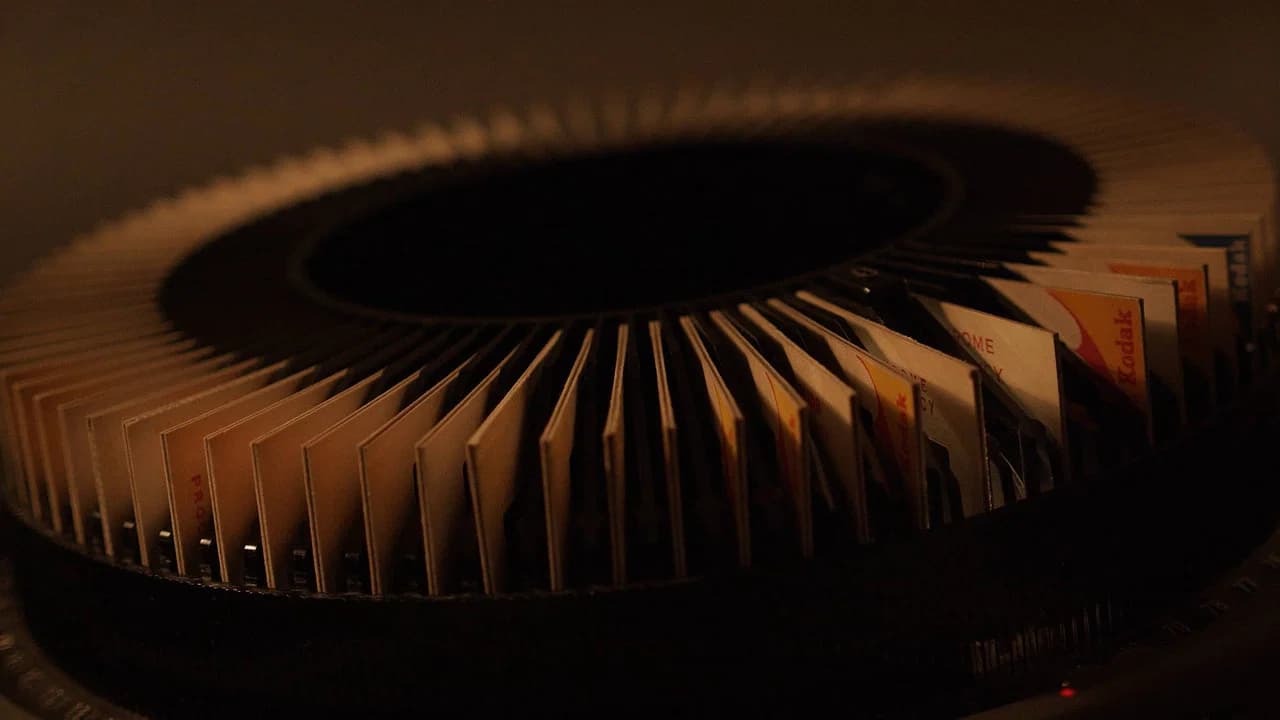
A found footage / object film: the colorful 1960s in Italy, a joyful time, live-giving coating of born-again found images, re-animated, examined, reviewed in a past time, revisited.
Cast

Cast
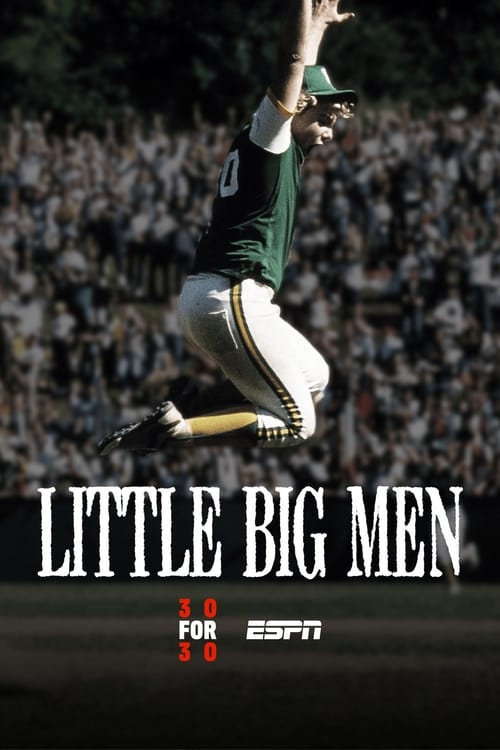
In 1982, Cody Webster and a small group of friends from Kirkland, Washington, sat anxiously in a dugout waiting to take the field for the championship game of the Little League World Series. Their focus was just about what you’d expect from any 12-year-old: hit the ball, throw strikes, cross your fingers and then maybe – maybe – you’ll win. Adults in the stands and watching from home saw a much broader field of play. The memories of American hostages and a crippling oil crisis were still fresh; the economic malaise of the late 1970s still lingered; and the new President was recovering from an assassination attempt even while confronting new threats from the Soviet Union. Meanwhile, back on that tiny baseball field in Williamsport, Pennsylvania, no American team had won a true international Little League World Series Championship in more than a decade. When the Kirkland players rushed from their dugout that day, they stepped onto a much bigger field than the one they saw.
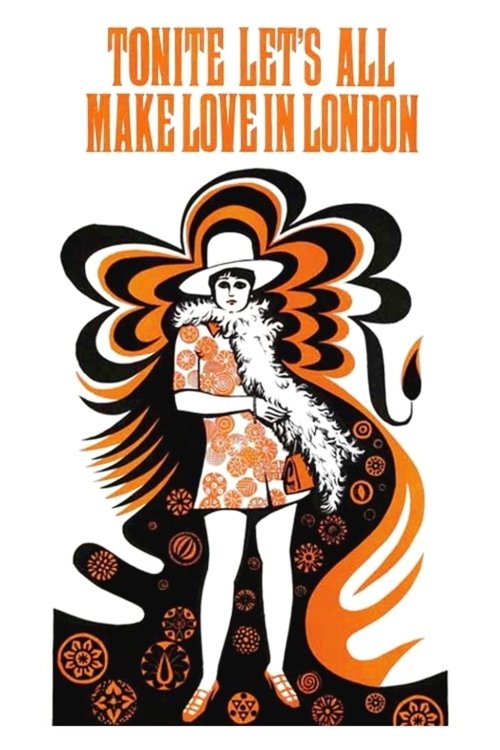
Peter Whitehead’s disjointed Swinging London documentary, subtitled “A Pop Concerto,” comprises a number of different “movements,” each depicting a different theme underscored by music: A early version of Pink Floyd’s “Interstellar Overdrive” plays behind some arty nightclub scenes, while Chris Farlowe’s rendition of the Rolling Stones’ “Out of Time” accompanies a young woman’s description of London nightlife and the vacuousness of her own existence. In another segment, the Marquess of Kensington (Robert Wace) croons the nostalgic “Changing of the Guard” to shots of Buckingham Palace’s changing of the guard, and recording act Vashti are seen at work in the studio. Sandwiched between are clips of Mick Jagger (discussing revolution), Andrew Loog Oldham (discussing his future) – and Julie Christie, Michael Caine, Lee Marvin, and novelist Edna O’Brien (each discussing sex). The best part is footage of the riot that interrupted the Stones’ 1966 Royal Albert Hall concert.
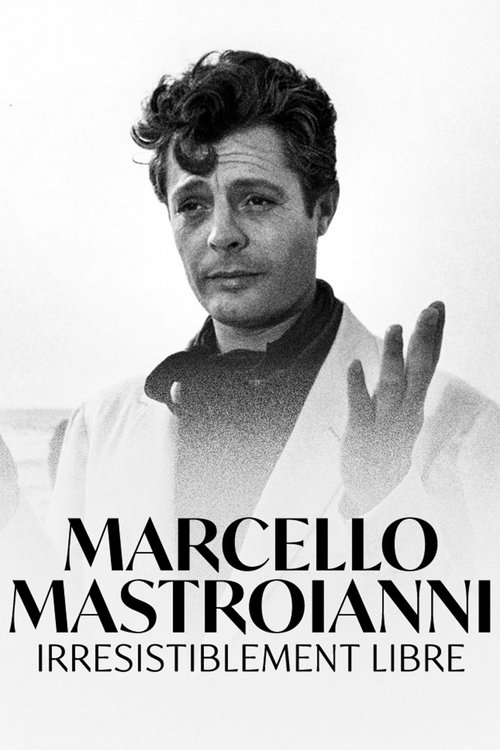
The 1960s opened with La Dolce Vita by Federico Fellini and its unforgettable lead: Marcello Mastroianni. The actor seemed to glide effortlessly through his roles — and through life — as if to say that life is not all that serious, or perhaps that it is far too serious not to be laughed at. But what kind of man was hiding behind the actor with the handsome, boyish looks, who appeared so gentle and nonchalant?