Loading titles…
Documentary
Native Americans, ranchers, government officials, and environmental activists battle over the yearly slaughter of America's last wild bison, based on fear that migrating animals will transmit the disease brucellosis to cattle. Join a 500-mile spiritual march across Montana led…
No cast information available.
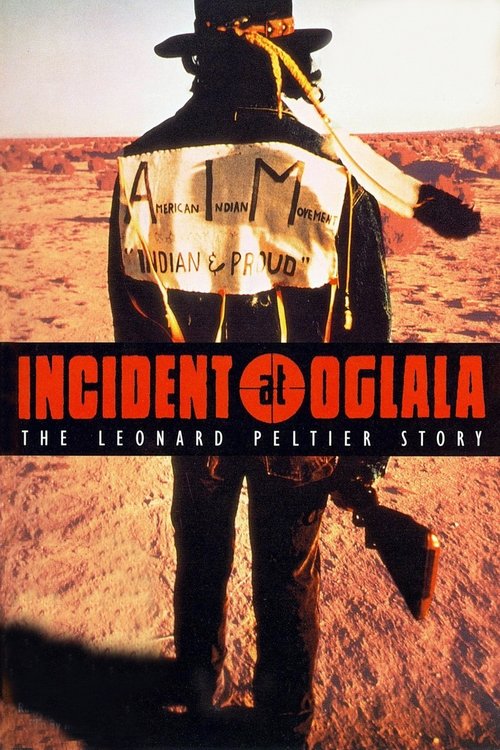
On June 26, 1975, during a period of high tensions on the Pine Ridge reservation in South Dakota, two FBI agents were killed in a shootout with a group of Indians. Although several men were charged with killing the agents, only one, Leonard Peltier, was found guilty. This film describes the events surrounding the shootout and suggests that Peltier was unjustly convicted.

The film discusses the various uses of land for producing food, clothing, and shelter. It explains how different types of land are cultivated for growing crops, raising livestock, and sourcing raw materials for clothing like cotton, wool, and leather. The film also covers the extraction of resources for building materials, such as lumber, clay, stone, and iron ore. Additionally, it touches on the production of plastics and synthetic materials from minerals. The film emphasizes the importance of making wise decisions in land use, balancing agricultural, industrial, and recreational needs, and the necessity of conserving land for its natural beauty and environmental value.
A new uranium mill -- the first in the U.S. in 30 years -- would re-connect the economically devastated rural mining community of Naturita, Colorado, to its proud history supplying the material for the first atomic bomb. Some view it as a greener energy source freeing America from its dependence on foreign oil, while others worry about the severe health and environmental consequences of the last uranium boom.