Loading titles…
Documentary
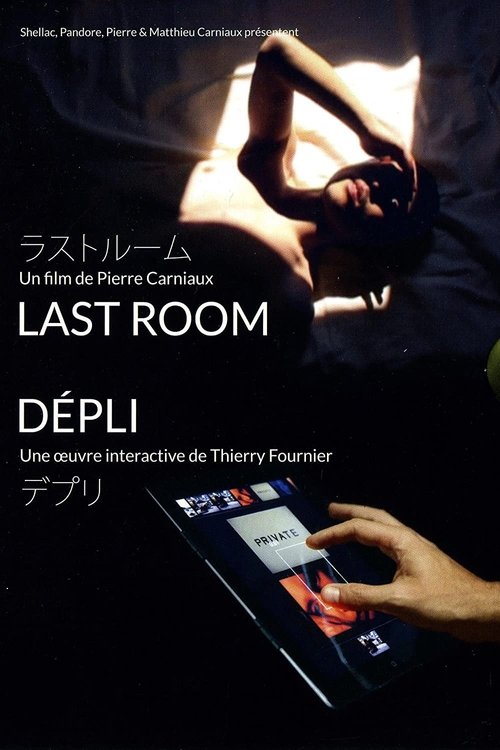
Made in Japan, Last Room is both fiction and documentary. The occupants of the love-hotels and capsule-hotels tell their own intimate, dreamlike stories, interspersed with journeys through the archipelago's landscapes. Soon, these personal stories resonate with a collective…

Cast
Cast
Cast
Cast
Cast
Cast
Cast
Cast
Cast
Cast
Cast
Cast

Photographer and make-up artist François Nars reveals his visually stunning inner world in this feature-length documentary by filmmaker Lisa Immordino Vreeland. Mr. Nars takes us on a tour of the fashions, designers and models of '70s Paris, the underground of '90s New York, and the timeless world of cinema, filled with actors, actresses, and directors who have shaped his visual aesthetics.

Bon Odori dives into the world of karaoke and the ways this Japanese tradition has taken root and evolved in Brazil. Through an event that brings together young Japanese-Brazilian descendants and participants with no prior connection to Japanese culture, the documentary reveals encounters, memories, and exchanges across generations. Amid touching stories, striking voices, and charismatic personalities, the film crafts a sensitive portrait of belonging, respect, and cultural preservation—celebrating the power of the connections that emerge when differences are embraced.
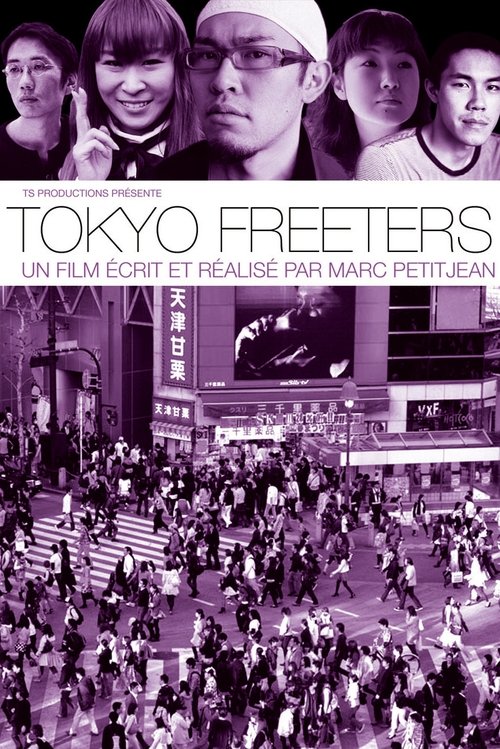
In Japan, more than four million young people survive by taking on precarious jobs. They are called “freeters”. The film gives voice to these “discard-after-use” workers, who regard their situation with both lucidity and desperation, as well as to ex-freeters who have become activists in the fight against exclusions.

On November 25, 1973, the first of four car-free Sundays transformed West Germany's deserted highways into spaces for walking, cycling, and horse-drawn carriages, while towns and cities took on a festive atmosphere. Introduced during the oil crisis to conserve fuel after the Arab oil embargo and production cuts following the Yom Kippur War, the measure became an unforgettable collective experience. Beyond the immediate energy shortage, the crisis marked a turning point, ending the postwar economic boom and encouraging greater awareness of energy use, consumerism, and environmental issues.


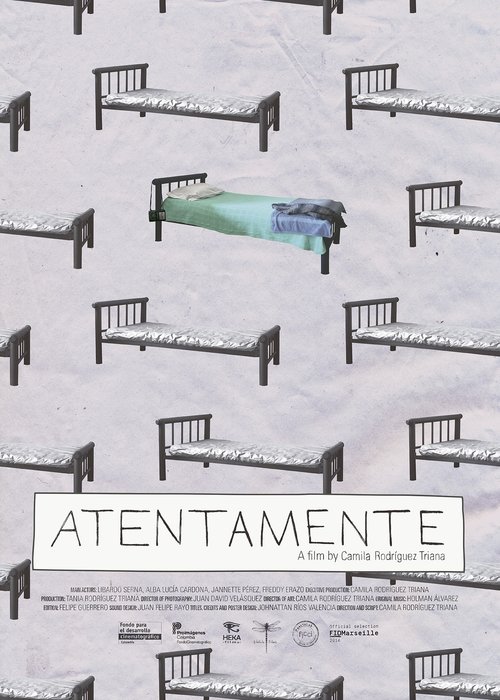
ATENTAMENTE is a film that, through the sensation of the time passing by and the presence of the death that wanders into a nursing home, allows us to feel the life through the illusion that love brings along. Libardo and Alba, a couple of elders who met each other at the nursing home where they live, they fall for, they become boyfriends and start to struggle in order to find fifty thousand pesos to rent a room for one night at a hotel so they can have a privacy moment, since at the nursing home where they live is not possible to have that. While struggling they must face each other, face their fears, their limitations, their pains, their time as well as their fragility so they can construct that moment in which they meet love. A struggle that seems to be easy, but for them is an odyssey against time, against their limitations and their own ghosts.