Loading titles…

Himself

Himself

Himself
Himself

Himself
Himself
More than two decades after it left our screens, BBC Two’s iconic and much-loved music documentary series, Rock Family Trees, is back for a one-off special. The iconic music documentary series returns to examine the real story behind the birth of Britpop and how a handful of like-minded musicians, struggling to find an authentic voice, would pave the way for a revolution in British music. It is an intricately connected story of three of the biggest bands of the 1990s – Suede, Elastica and Blur – and how, for a brief moment in the middle of that decade, they changed British music forever, kickstarting a movement that still reverberates to this day.

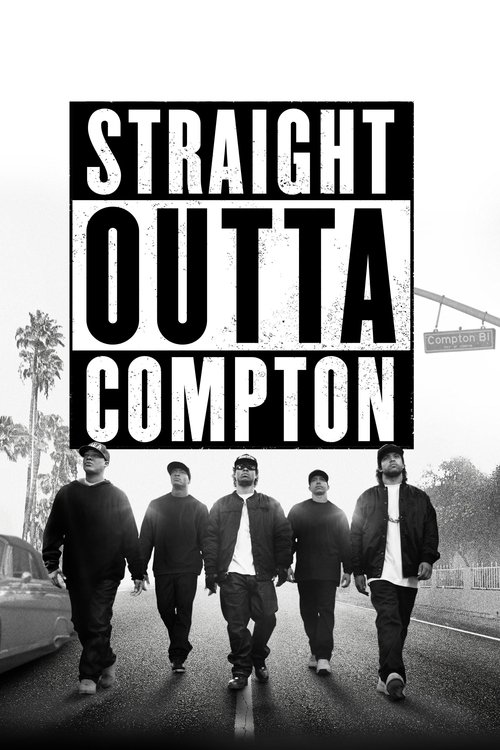
In 1987, five young men, using brutally honest rhymes and hardcore beats, put their frustration and anger about life in the most dangerous place in America into the most powerful weapon they had: their music. Taking us back to where it all began, Straight Outta Compton tells the true story of how these cultural rebels—armed only with their lyrics, swagger, bravado and raw talent—stood up to the authorities that meant to keep them down and formed the world’s most dangerous group, N.W.A. And as they spoke the truth that no one had before and exposed life in the hood, their voice ignited a social revolution that is still reverberating today.
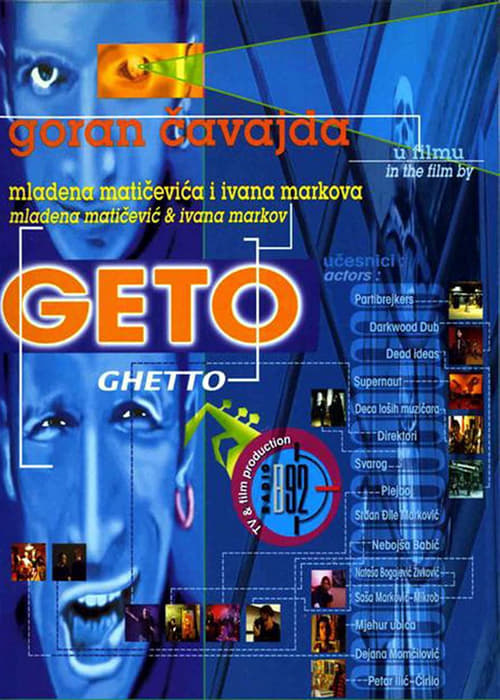
Belgrade in the 1990s seen through the eyes of Goran Čavajda 'Čavke', the late drummer of Serbian rock band "Electric Orgasm". Under dictatorship of Slobodan Milošević, his city became one of the worst places to live in Europe, while the country suffered highest inflation rate in its history, accompanied by mass poverty and political isolation. Documentary follows Čavke walking through the Belgrade streets where total chaos and decline of moral values rule. He finds his only shelter underground, where his friends - musicians and artists - live and work invisibly.
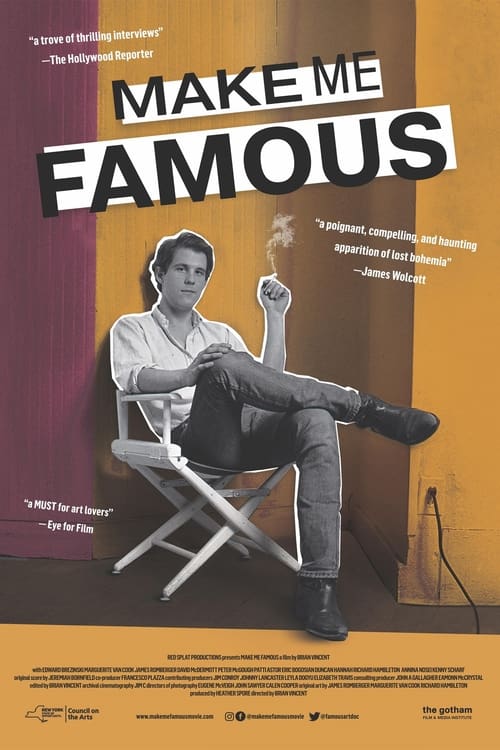
An investigation of Edward Brezinski, an ambitious, charismatic Lower East Side painter hell-bent on sucess, who thwarted his own career with antics that roiled NYC’s art elite. Brezinski’s quest for fame gives an intimate portrait of the art world’s attitude towards success and failure, fame and fortune, notoriety and erasure.