
Melissa Leebaert
Narrator (voice)
Built in 1755 at the height of the French and Indian War, Braddock's Road was one of the nation's most infamous military roads. Traces of this historic route, in western Maryland, still remain, buried beneath soil and brush, and a team of archaeologists is on the hunt.
Narrator (voice)



An immigrant lost in Santiago's subway discovers that the city he inhabits conceals a buried secret: Santiago was founded over a cusco, an administrative center of the Tahuantinsuyo Empire. Through his wandering across the city and the testimony of pre-Columbian history researchers, the film reconstructs the Inca presence in the Mapocho Valley and proposes a decolonial reading of Chilean urban territory.
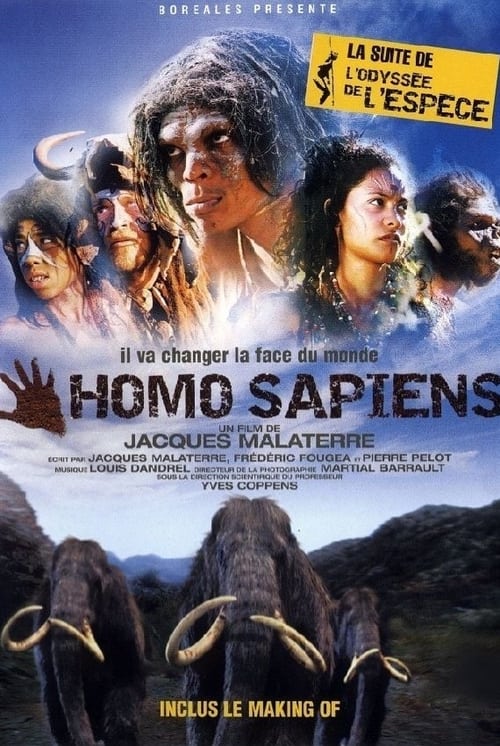
Two hundred and fifty thousand years ago, the first direct representative of our species appeared on earth: Homo Sapiens... From 400,000 to 20,000 BC, we follow the destiny of Homo Erectus, Neanderthal and Sapiens. We will thus discover the appearance of language, art, cults, agriculture, and breeding.


Black Is the Color highlights key moments in the history of Black visual art, from Edmonds Lewis’s 1867 sculpture Forever Free, to the work of contemporary artists such as Whitfield Lovell, Kerry James Marshall, Ellen Gallagher, and Jean-Michel Basquiat. Art historians and gallery owners place the works in context, setting them against the larger social contexts of Jim Crow, WWI, the civil rights movement and the racism of the Reagan era, while contemporary artists discuss individual works by their forerunners and their ongoing influence.
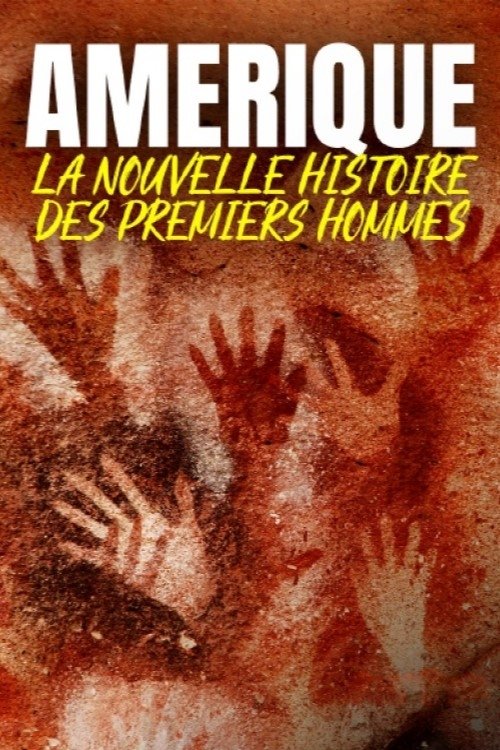
From the far north of Canada to the southern tip of Chile, through the southern United States, central Mexico and the Brazilian Mato Grosso, new concordant but still controversial archaeological discoveries have brought a new paradigm to the archaeology of American prehistory: the appearance of the first humans on the continent could date back to nearly 30,000 years before our era, that is to say, about 15,000 years earlier than the commonly accepted and taught thesis. Although there were a few mavericks in the past who disputed the scenario according to which the first ancestors of Americans arrived on foot through the Bering Strait 16,000 years ago, they were long kept out of the scientific community.