Loading titles…
Documentary
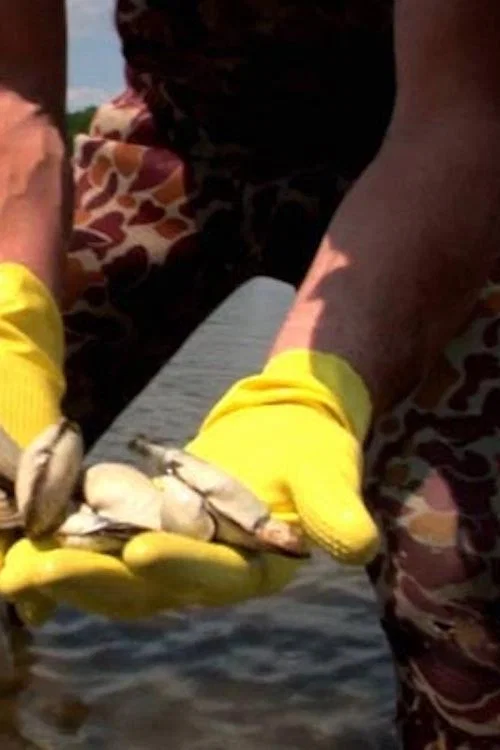
In this documentary short, summer trippers line up for the famous local fried clams and whole families dig for the white mollusc in the tangy air of the sandbars. But as the clams dwindle, so do these tableaux from Maritime culture. For commercial fishermen it's the end of a…
No cast information available.

This pioneering documentary film depicts the lives of the indigenous Inuit people of Canada's northern Quebec region. Although the production contains some fictional elements, it vividly shows how its resourceful subjects survive in such a harsh climate, revealing how they construct their igloo homes and find food by hunting and fishing. The film also captures the beautiful, if unforgiving, frozen landscape of the Great White North, far removed from conventional civilization.

Louisiana filmmaker, Pat Mire, teams up with veteran filmmaker and cinematographer, Charles Bush, to capture the natural drama of handfishing in this award-winning documentary. Highly visual, the film examines the thrilling regional phenomenon of Cajuns who wade in murky bayou waters to catch huge catfish and turtles by reaching into hollow logs and stumps with their bare hands. Friends and family accompany the handfisherman to the bayou banks for Cajun music, festive cooking, and storytelling, and to witness this increasingly rare tradition. Told from the inside with multiple voices, Mire and Bush explore the chain of events set off by man's attempt to "improve" his environment by dredging bayous in this remarkable study of the relationship between cultural and natural resources.

In 1965, on the Eastern Shore of the Chesapeake Bay, there was the last operating fleet of sailing work boats in the United States. Forty-odd "Skipjacks" were still used by Maryland watermen to dredge up oysters from the Bay. At that time, the fleet had survived because of a Maryland conservation law which prohibits the use of motor power for oyster dredging. The watermen traditionally marked the opening of each oystering season with a skipjack race which the Maryland State Tourist Board incorporated into its annual "Chesapeake Bay Appreciation Day."