Loading titles…
Documentary
In an observation over four seasons THE STANDSTILL shows Vienna and its surroundings along with encounters with people during and after the Corona crisis. The film tells of the immediate and also the long-term effects, which can only be evaluated and classified in the future.
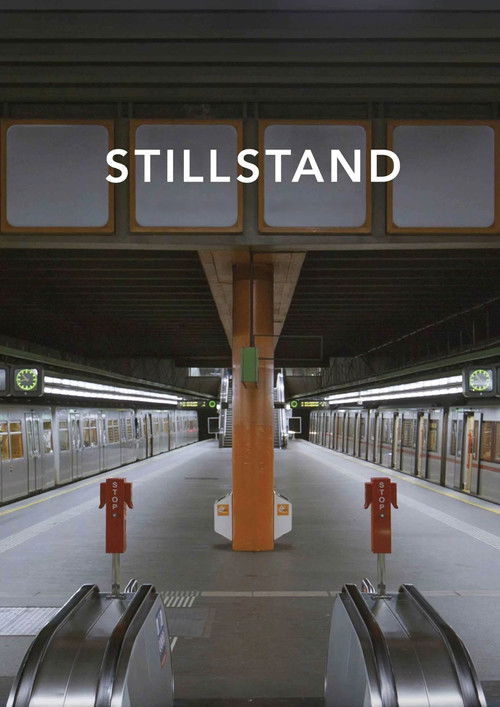
No cast information available.
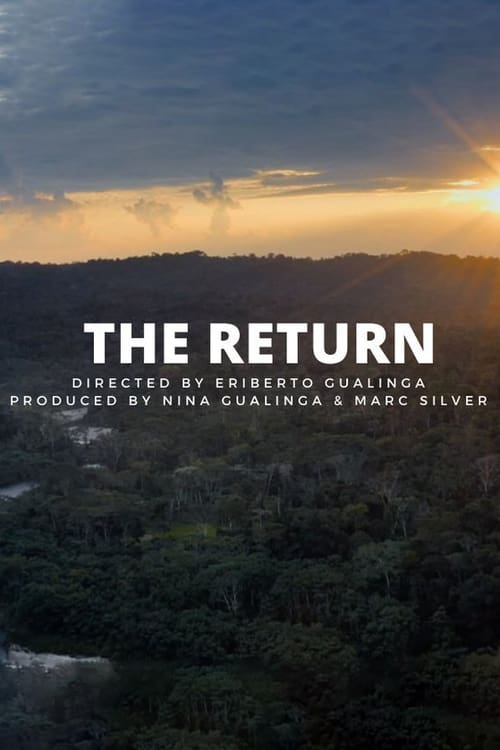
It’s spring in the Ecuadorian Amazon and the Uyantza festival is underway with the community celebrating all that the forest has to offer. Meanwhile, news is breaking around the world that a novel virus is spreading and a state of emergency is declared across the country. As people test positive for COVID-19 in the community, some families decide to leave and head deeper into the jungle. Disconnected from school, friends, the internet, and work, one family learns to reconnect with life in the forest. The children begin to unlearn the national curriculum, and instead are taught Indigenous knowledge that mainstream schools normally pass over. As COVID-19 wreaks havoc around the planet, the family reconnect to their ancestral ways, but as news arrives that Ecuador’s lockdown will end soon, will the family choose to return?

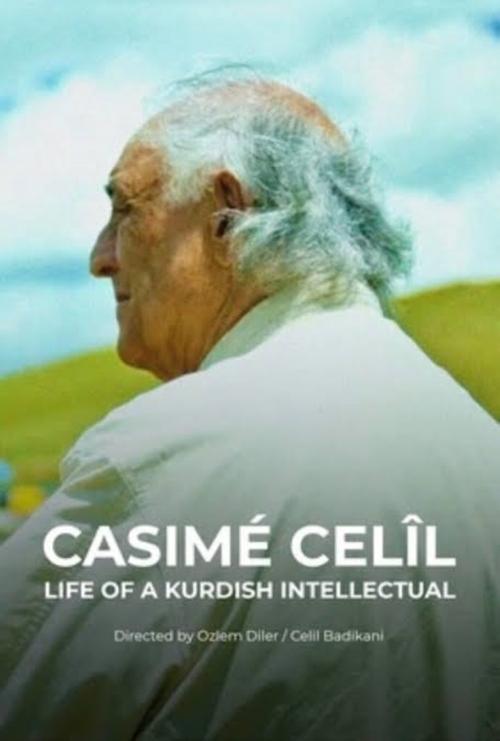
Casimê Celîl was born into a Yezidi Kurdish family in 1908, in a village called Kızılkule, located in Digor, Kars. The village and family life, which he longed to remember throughout his life, ends with the massacre they endured in 1918. During his long road to Erivan, Armenia, he lost all his family members. Left all alone, Casim was placed into an orphanage and was forced to change his name. To remember who he was and where he came from, every morning he repeated the mantra “Navê min Casim e, Ez kurê Celîlim, Ez ji gundê Qizilquleyê Dîgorê me, Ez Kurdim, Kurdê Êzîdî me”, which translates to: “My name is Casim, I am the son of Celîl, I come from the village of Kızılkule in Digor, I am a Kurd, and I am Yezidi”. He clings to every piece of his culture he can find, reads, and saves whatever Kurdish literature or art he comes across. As the year’s pass, Casim finds himself with an impressive collection of Kurdish culture and history.
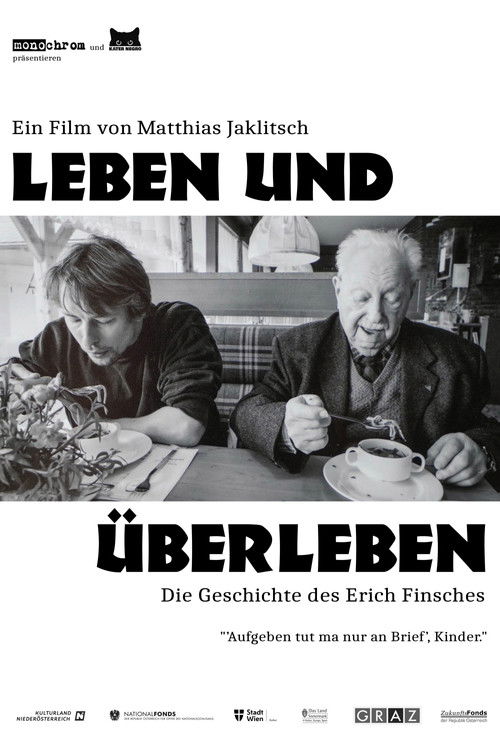
The documentary portrays Erich Finsches, a true Viennese original and Holocaust survivor. Based on over six years of collected material by director Matthias Jaklitsch, who supported Erich on his travels, the film shows him as a positive, humorous, but also argumentative and unique personality in all his humanity. At 97, Erich continues to tirelessly advocate for remembrance of the past, attending memorial ceremonies and schools to spread his message of "Never Again." Instead of a traditional "eyewitness narrative," the film not only documents Erich's life, his youth during Nazi persecution, and his rebuilding of a new life after the war, but also the relationship between the director and the protagonist.

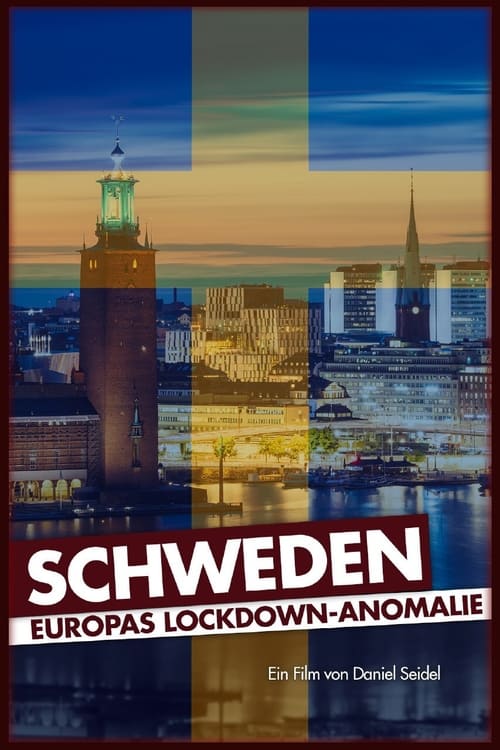
Oh how nice is Panama. However, it may be even nicer in Sweden. At least in winter 2020/21, when a small virus called SARS-CoV2 paralyzed the continent of Europe in particular. While in most countries the fight against the virus was announced with a wide variety of measures such as lockdown, compulsory masks and contact restrictions, which were also punishable by law, Sweden went a different way.