
Loading titles…
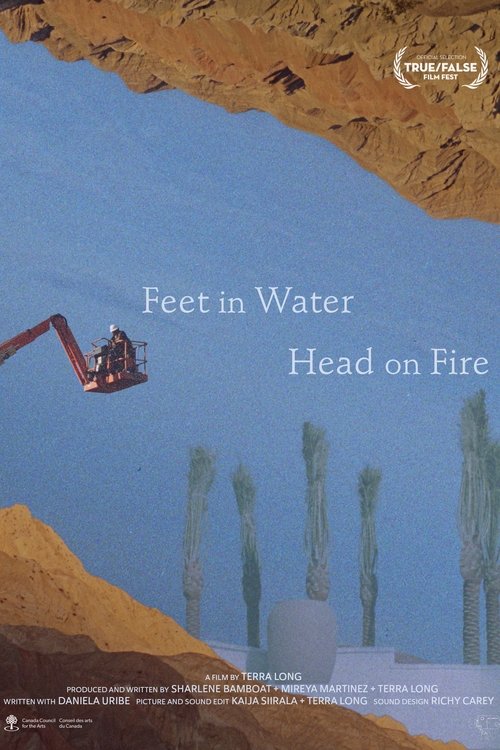
Date palms imported and cultivated decades ago flourish in the Coachella Valley in Southern California. A cacophony of voices from across generations reflect on the shifting landscape of the region; some remember the first few acres that were planted, while others enjoy the…
No cast information available.

GIRI CHIT tells a tale of the subtle trace of irreconcilable worlds. A worker driving a mobile sweeper in hypnotic circles across an already immaculate surface. The high drama of cosplay aficionados clamoring to be seen. A cast of thousands toiling hundreds of feet above the street. Giri translates as ‘duty’ in Japanese, but the concept is in fact far more complicated. Giri is a sort of interpersonal political capital that informs careers, family relations, and much more. Its presence and flow is palpable in Japan, where this film was shot. A “giri chit” then may be a hypothetical voucher for this intangible flow (with a tip of the cap to Thomas Pynchon’s “Vineland”). Selected Screenings and Awards: DaVinci Film Festival (Best Experimental Film), Chicago Underground Film Festival, Athens International Film and Video Festival, Dallas Videofest, ICDOCS Film Festival, NewFilmmakers at Anthology Film Archives, Oxford Film Festival, Director’s Lounge Berlin


How do German couples communicate in private? What are they arguing about? Is the way to a man’s heart really through his stomach? This docu-fictional hybrid production discusses such questions with the help of authentic interview snippets that were edited under the staged plot. We get an insight into the life of an animal couple, who experience typical everyday situations on behalf of us humans. At first, our fox is emotionally contained, while the penguin lady may get wild as hell. With a wink, the filmmakers hold up a mirror to the audience in the cinema.
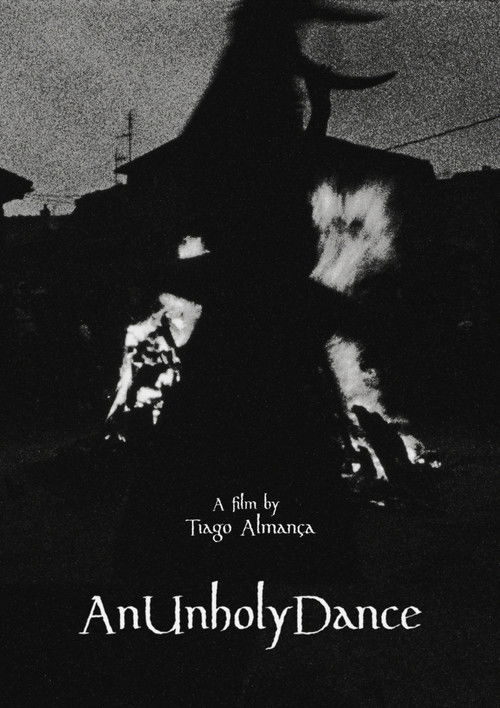
Every winter, a small town in Castilla-La Mancha called Luzón transforms into a little hell. Its inhabitants, dressed as devils, venture into the darkness and roam its streets with horns, bells, and smeared with soot. Una dança non sancta could have been just an anthropological documentary. Instead, it delves into the inferno with the town’s residents to participate in and immortalize this unholy ritual.
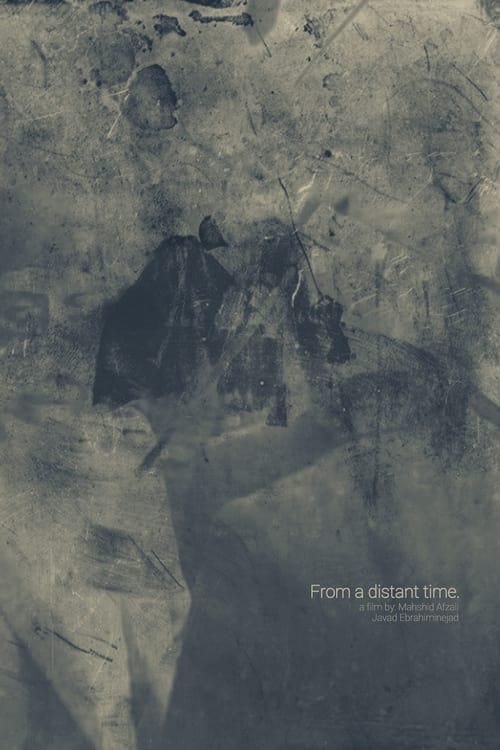
In the summer of 1900, the first film camera was purchased by Mozaffar ad-Din Shah Qajar for Iran, and immediately the first Iranian moving images were captured by this camera. These images, in an obsessive manner, have embodied the mesmerized gaze of people. In the span of 79 years since the purchase of this camera, Iran has undergone two revolutions and two coups, and throughout all these moments, the camera has been present as the recorder of people's mesmerized gazes. These mesmerized gazes are in a way as if they are the ones looking at us, not the other way around. It seems like these gazes are trying to convey something, but what? No one knows. Now, we gaze at those who have gazed at us from a distant time.