

Loading titles…
Documentary / Comedy
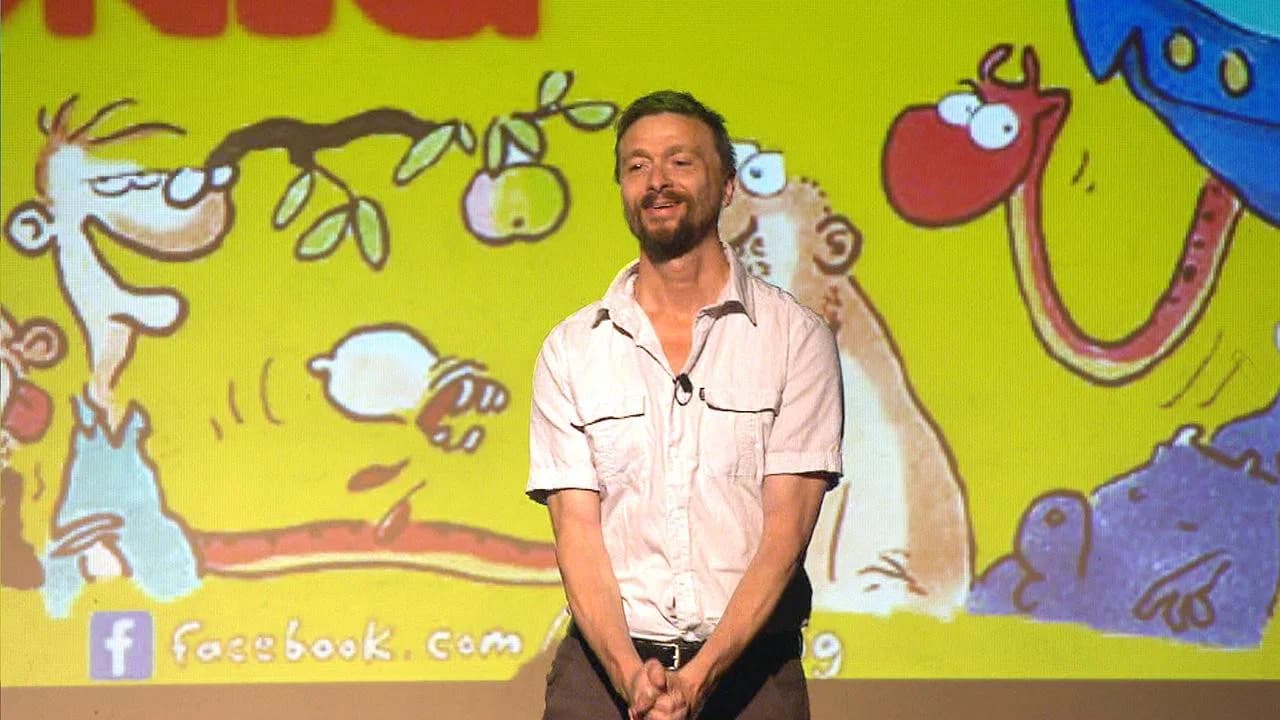
You may not recognize the name Ralf König, but you probably recognize his art. One of the most commercially successful German comic book creators, he is best known for books like “SchwulComix (GayComix)” that offer a twisted take on queer culture. Equal parts Tom of Finland and…
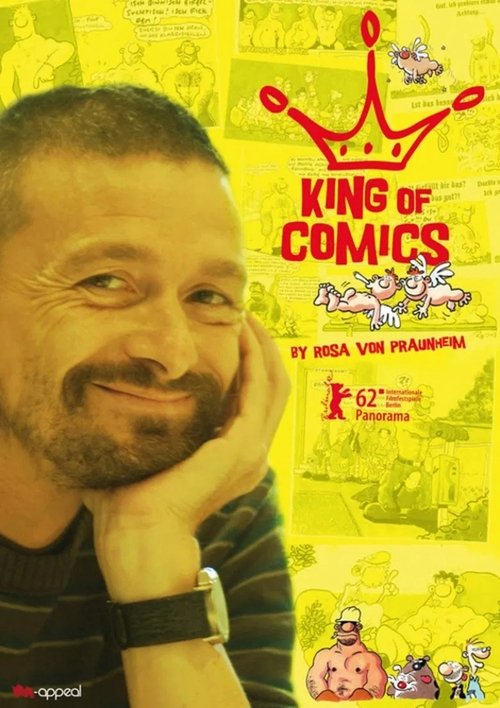
Himself
Cast
Cast
Cast
Cast

Cast
Four Spanish-language shorts about the importance and complexity of people's perception from award winning directors. Stories of identity, misconceptions, regrets, dreams and love are told in this diverse collection. Includes: Tenants [Inquilinos] (2018); My Brother [Mi hermano] (2015); Guillermo on the Roof [Guillermo en el tejado] (2018); You Are Not a Woman [Usted no es mujer] (2018).
In a document from November 1st, 1007, Wellerstadt is mentioned for the first time verifiably. The royal couple Heinrich and Kunigunde make the plan to establish a diocese, with Bamberg at its centre. During the imperial synod in Frankfurt in 1007, the bishops approve the plan. Heinrich transfers his royal court Forchheim together with 14 villages, including Wellerstadt, to the diocese. As “Waldrichesbach”, Wellerstadt is not only presumably earlier mentioned in documents than Baiersdorf but is in fact older than Baiersdorf. A once presumably Thuringian settlement at the river Regnitz has by now become the district of the small Franconian town of Baiersdorf: Founded at a ford, destroyed during the Thirty Year’s War, rebuild, often flooded by the Regnitz, pushed back and forth between the diocese and the margraviate. Waldrichesbach has turned into Wellerstadt, an endearing small village in Middle Franconia.
Victor works in a real estate agency in the well-known Chueca neighborhood of Madrid. He hides a terrible secret: he makes apartments available for sale by murdering the old ladies owners that live in them. Then, refurbishes and decorates the apartments to sell them to gay couples with high purchasing power. His ultimate objective is to transform Chueca into a kind of London Soho area.

A personal documentary about gay marriage in Brazil that focuses on the filmmaker Fábia Sartori Fuzeti, who opens the film by proposing to her partner Gabriela Torrezani. The movie follows their footsteps from that moment until their big day. At the same time, it explores the lives various gay and lesbian couples that got tied the knot since the Brazilian Supreme Court legalised gay marriage in June 2011.
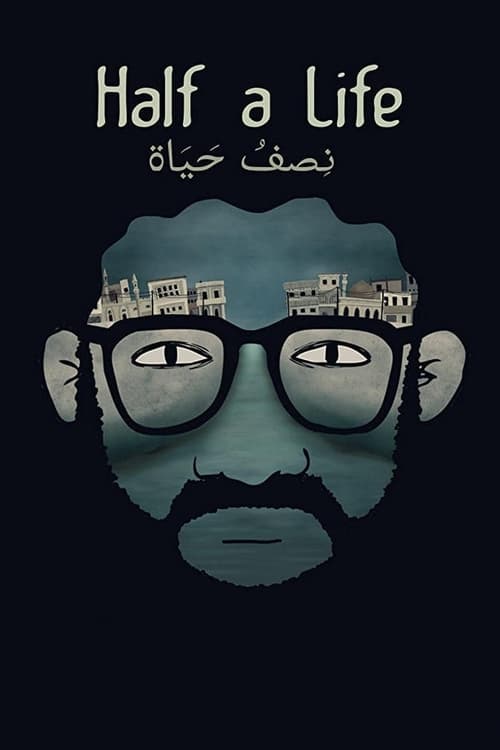
After a traumatic encounter, a young gay Egyptian joins the LGBT rights movement. When his safety is jeopardized, he must choose whether to stay in the country he loves or seek asylum elsewhere as a refugee. "Half a Life" is a timely story of activism and hope, set in the increasingly dangerous, oppressive, and unstable social climate of Egypt today.

A chronological look at films by, for, or about gays and lesbians in the United States, from 1947 to 2005, Kenneth Anger's "Fireworks" to "Brokeback Mountain". Talking heads, anchored by critic and scholar B. Ruby Rich, are interspersed with an advancing timeline and with clips from two dozen films. The narrative groups the pictures around various firsts, movements, and triumphs: experimental films, indie films, sex on screen, outlaw culture and bad guys, lesbian lovers, films about AIDS and dying, emergence of romantic comedy, transgender films, films about diversity and various cultures, documentaries and then mainstream Hollywood drama. What might come next?

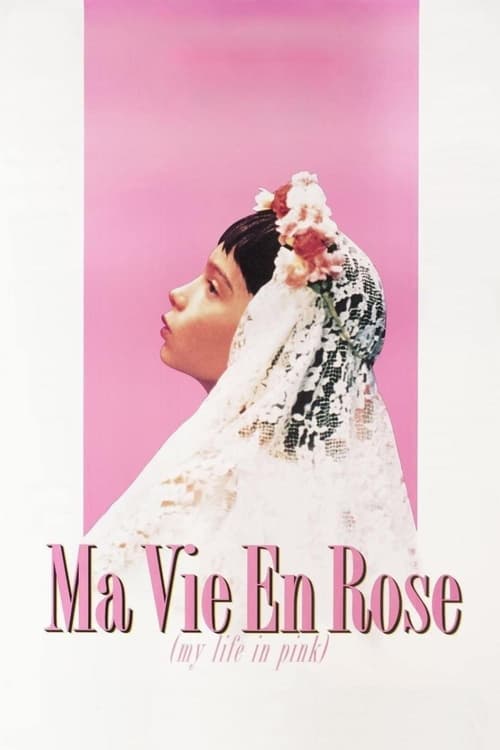
Ludovic is waiting for a miracle. With six-year-old certainty, she believes she was meant to be a little girl -- and that the mistake will soon be corrected. But where she expects the miraculous, Ludo finds only rejection, isolation, and guilt -- as the intense reactions of family, friends, and neighbors strip away every innocent lace and bauble.
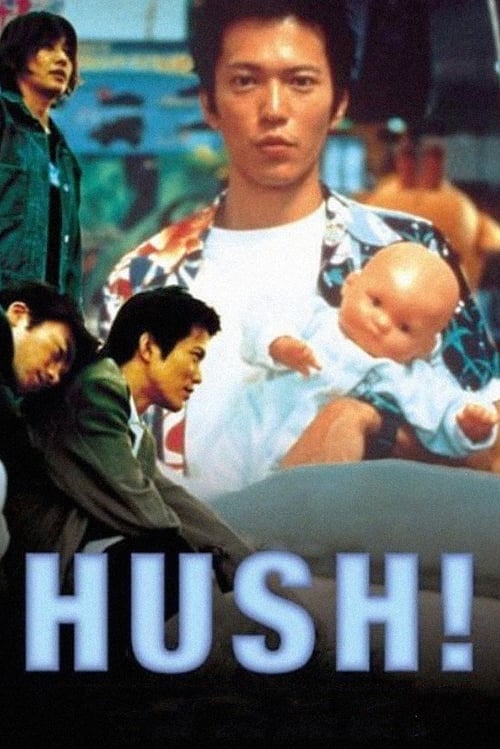
Naoya and Katsuhiro are boyfriends, new in their relationship. Things are uneven at first—Naoya is open and free while Katsuhiro is cautious and closeted—but nothing compares to the chaos that arrives when Asako, a troubled woman with a history of psychiatric problems, abortions, and casual sex, asks Katsuhiro to conceive a child with her.

A young zombie named Otto appears on a remote highway. He has no idea where he came from or where he is going. After hitching a ride to Berlin and nesting in an abandoned amusement park, he begins to explore the city. Soon he is discovered by underground filmmaker Medea Yarn, who begins to make a documentary about him with the support of her girlfriend, Hella Bent, and her brother Adolf, who operates the camera. Meanwhile, Medea is still trying to finish Up with Dead People, the epic political-porno-zombie movie that she has been working on for years. She convinces its star, Fritz Fritze, to allow the vulnerable Otto to stay in his guest bedroom. When Otto discovers that he has a wallet that contains information about his past, before he was dead, he begins to remember details about his ex-boyfriend, Rudolf. He arranges to meet him at the schoolyard where they met, with devastating results.