

Loading titles…
Self
Self


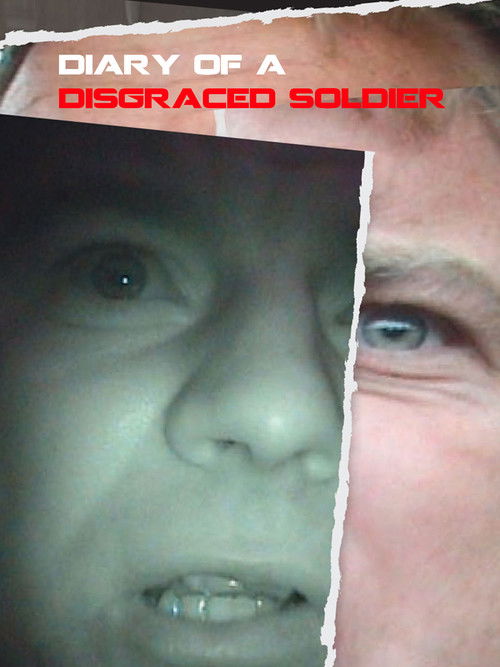



If there is one person Matthew Lancit can’t get out of his mind, it is his uncle Harvey. Dark rings around his eyes, pale, blind, his legs amputated. Like Harvey, the filmmaker also suffers from diabetes. He has the disease under control, but one question is always nagging at him: How much longer? His long-term (self-)observation reliably revolves around fears of infirmity and mutilation. He translates the feared body horror into film, stages himself as a zombie, vampire, a desolate figure. Lancit playfully anticipates his potential decline, serving up a whole arsenal of effects which – as video recordings prove – go back to his youth. It is not for nothing that the “dead” in the title is also reminiscent of “dad.” Because “Play Dead!” also negotiates his own role as a father.
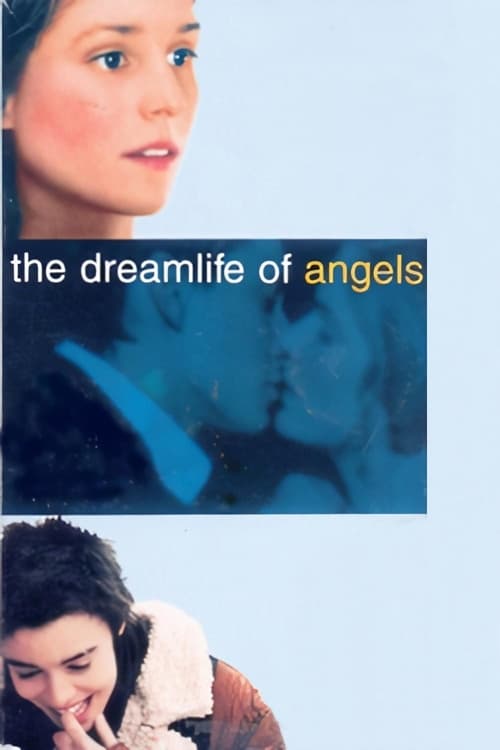
Isa and Marie bond while working in a French sweatshop and soon begin sharing an apartment that Marie is watching for a hospitalized mother and daughter. Marie, hoping to avoid a life of struggle and poverty, takes up with Chriss, a nightclub owner whose most attractive asset is his money. Isa recognizes the ultimate futility of the relationship and tries to keep Marie away from him, but her interference puts their friendship at risk.
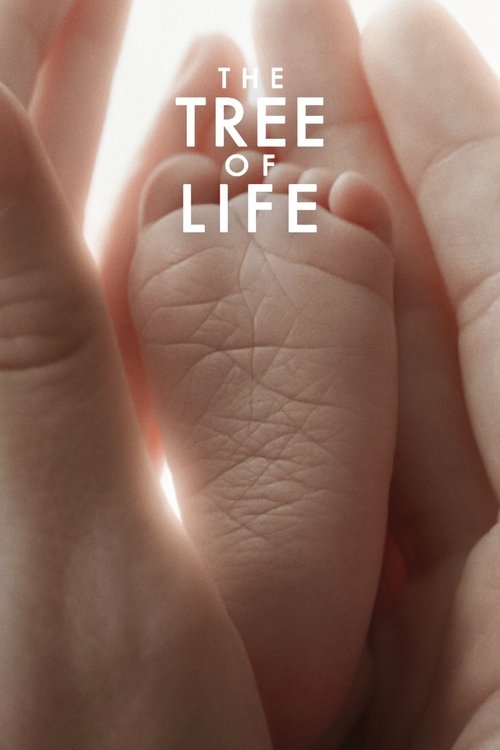
The impressionistic story of a Texas family in the 1950s. The film follows the life journey of the eldest son, Jack, through the innocence of childhood to his disillusioned adult years as he tries to reconcile a complicated relationship with his father. Jack finds himself a lost soul in the modern world, seeking answers to the origins and meaning of life while questioning the existence of faith.