

Loading titles…
Documentary / War / Drama
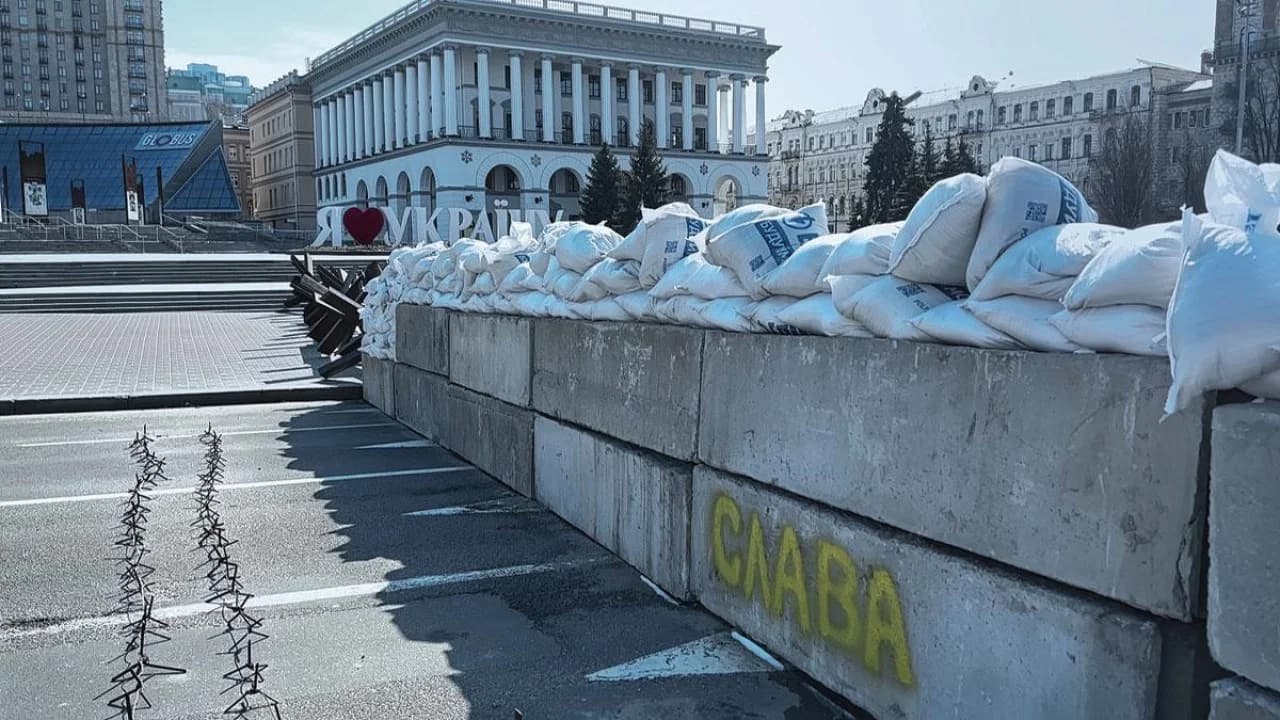
24 February 2022: Russia invades Ukraine. Romain Goupil leaves for Kyiv in a hurry. It was an imperative decision for him to go and support the Ukrainian resistance by filming to bear witness. He left without knowing if he would find a family ready to welcome him to share with…

No cast information available.
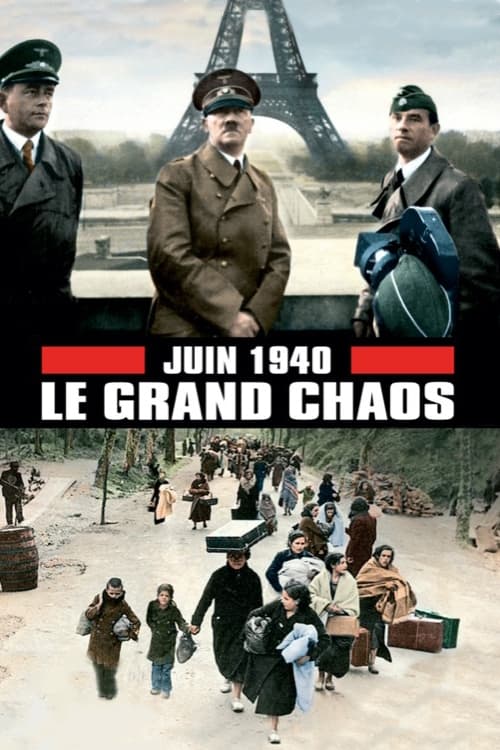
From May 10, 1940, France is living one of the worst tragedies of it history. In a few weeks, the country folds, and then collapsed in facing the attack of the Nazi Germany. On June 1940, each day is a tragedy. For the first time, thanks to historic revelations, and to numerous never seen before images and documents and reenacted situations of the time, this film recounts the incredible stories of those men and women trapped in the torment of this great chaos.
When war erupts in Ukraine, three women from different worlds collide at the Romanian border: an Italian woman searching for her missing husband and unborn child, a Romanian mother fighting to save her daughter, and a young Ukrainian surrogate forced to choose between survival and motherhood. Blending documentary reality with fiction, the film explores resilience, sacrifice, and the fragile bonds that emerge in times of conflict.
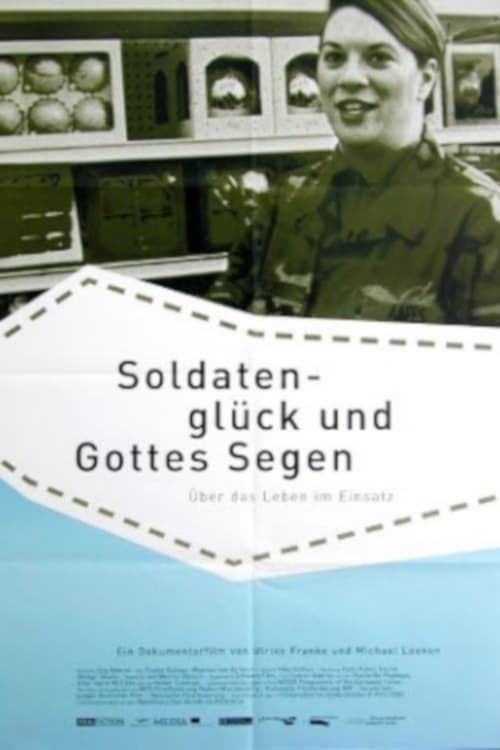

After WWII had ended, it was realized by the American Allies that there were children whom Hitler trained to be soldiers between the ages of 9-17. They were the "Hitler Youth". As the adult German soldiers were taken as prisoners of war, so were the children. These boys were taken to France and reeducated by being taught democracy and treated better than the adult POWs. This story recounted by a former "baby cage" prisoner at the age of 92.
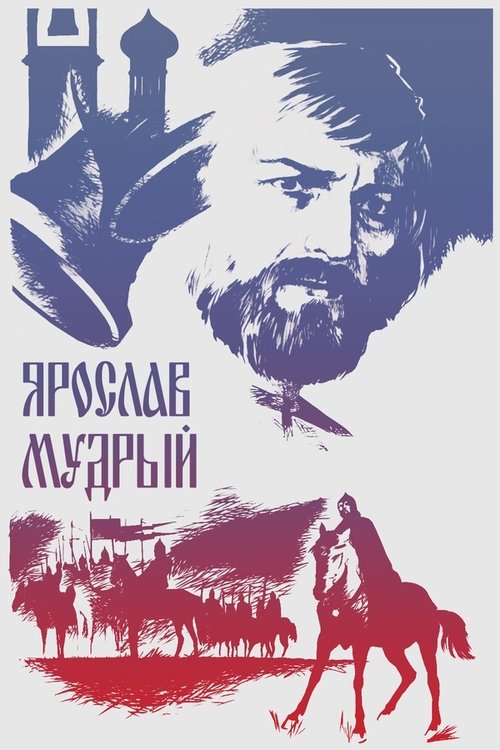
In the XIth century Kyivan Rus' (Ukraine-Rus') reached its zenith under the reign of Yaroslav. He established enduring ties with many of the ruling European dynasties, strengthened the borders of Rus' and tried to free it from the influence of the Byzantine Empire. Since 988 the church of Rus' had been autonomous, apart from the right of Constantinople to appoint the Metropolitan.
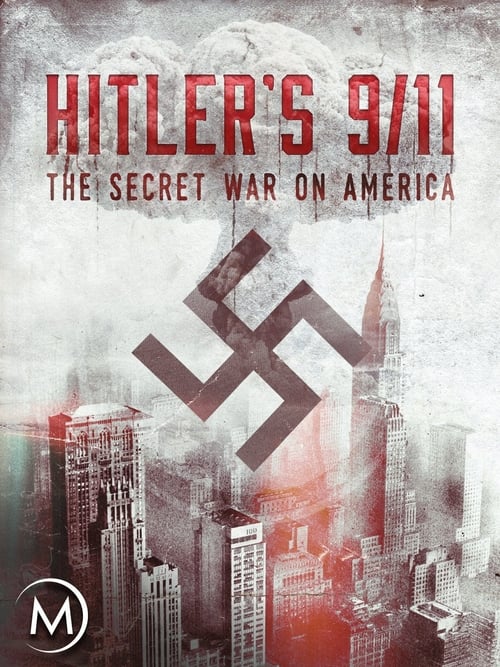
Adolf Hitler's Nazi megalomania knew no limits. The most daring of his plans World War II involved German fighter planes crashing into Manhattan's skyscrapers as living bombs, like the Japanese kamikazes. Hitler understood the huge symbolic power of Manhattan's skyscrapers. He believed suicide bombing would have a devastating psychological impact on the American people and the U.S. war effort.
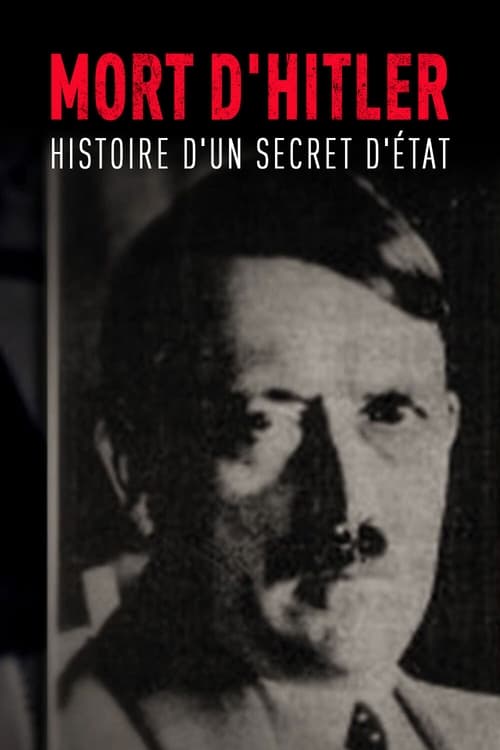
On April 30, 1945, while the Russian Army surrounded Berlin, Hitler committed suicide in his bunker. His body was discovered a few days later by the Soviets. He would be positively identified after a top secret inquest in which Hitler's personal dentist would play a central role. And yet, at the same time, Stalin publicly declared that his army was unable to find the Führer's body, choosing to let the wildest rumors develop and going so far as to accuse some of his Allies of having aided the monster's probable escape. What secrets were hidden behind this dissimulation? What happened then to the two ladies involved in the identification of Hitler’s body?
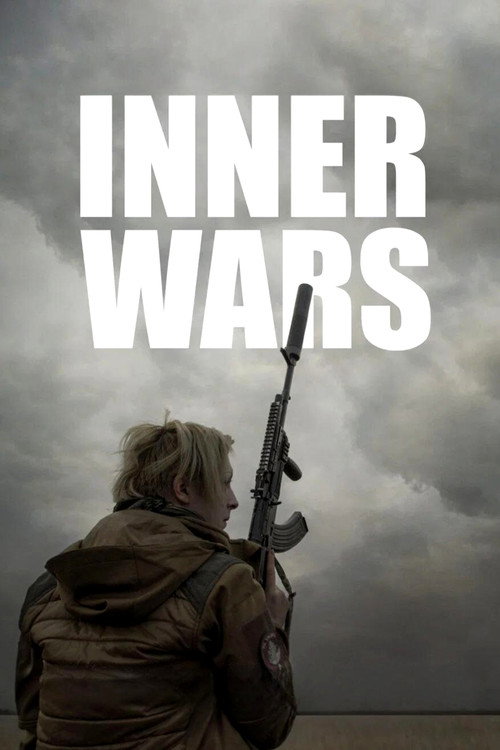
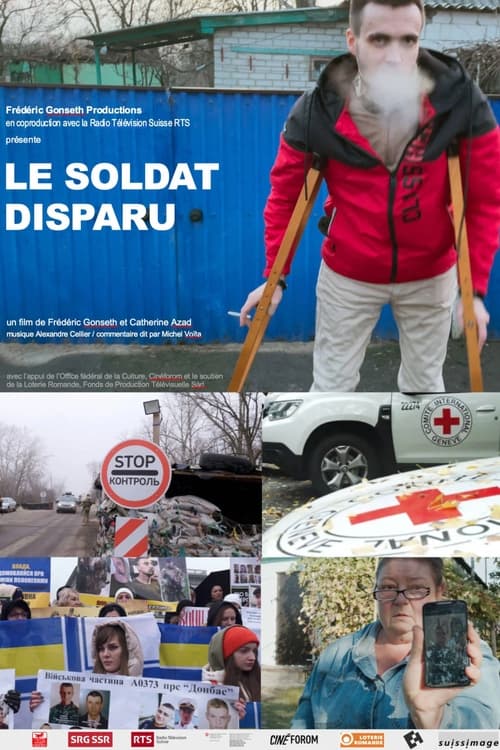
Since the uprising of a pro Russian insurgency in eastern Ukraine in 2014, hundreds of women joined the army. Only a few made it to the front line. Filmmaker Masha embeds herself in the war zone to follow the daily life of three of them. By sharing the intimacy of these fighters, Masha soon becomes a victim of this brotherhood conflict jeopardizing this film and her life.