Loading titles…
Drama / Family
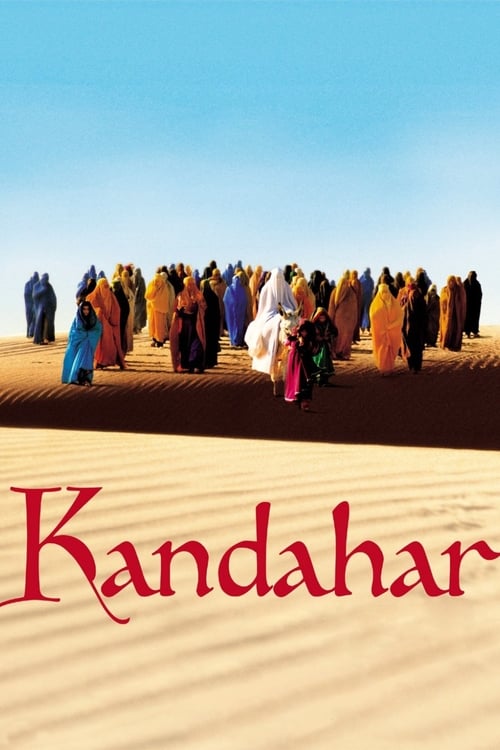
When a young mother speaks out against the Taliban, she and her husband are forced to flee their home and country with their three sons. Embarking on a long and terrifying journey across Russia and through Europe, they seek final refuge in the UK. But, as their eldest son’s…


Fariba

Mohammed
Hamed

Hussein
Singer/Songwriter & Co-Composer
Hessam
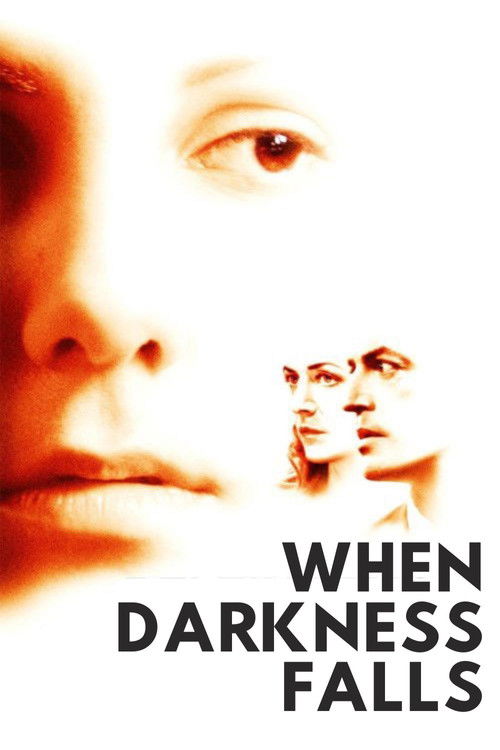
Steven Kenet, suffering from a recurring brain injury, appears to have strangled his wife. Having confessed, he's committed to an understaffed county asylum full of pathetic inmates. There, Dr. Ann Lorrison is initially skeptical about Kenet's story and reluctance to undergo treatment. But against her better judgement, she begins to doubt his guilt.
With the city hospital packed with patients, two unlikely roommates find themselves sharing a space just large enough for two beds and a window. Blake Cain is a bitter man who has hit rock bottom. Josiah Carver is a rugged old talker with a an unquenchable desire to forge a friendship. Together they find hope and forgiveness in a small window with an unforgettable view.
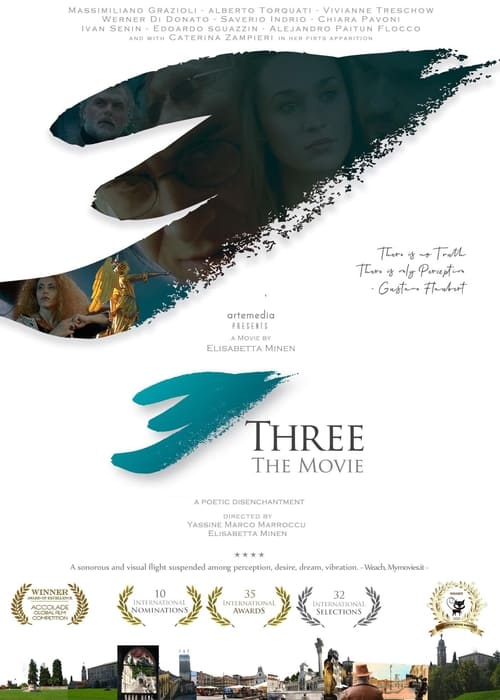
Three stories are intertwined in a land, Friuli, in the North-East of Italy, which extends along a triple border. The stories of Irene, a Carnian, Christian girl; Pavel, Ukrainian and Jewish; Mehdi, Iranian and Muslim. Udine. A beautiful city, but one that is perceived as cold and inhospitable by emigrants. Pavel and Mehdi are illegal immigrants, who share an apartment - and concerns about social matters - in the “ghetto” of Via Roma. In love with Pavel, Irene tries to help them, but her surge of solidarity goes perhaps too far, and she regrets it. Mehdi lives obsessed with an ancient guilt: his fragile soul is attracted to Evil. Predestination and moral choice. Two alternatives? Subjection to freedom of Good or Evil. What will the protagonists choose?
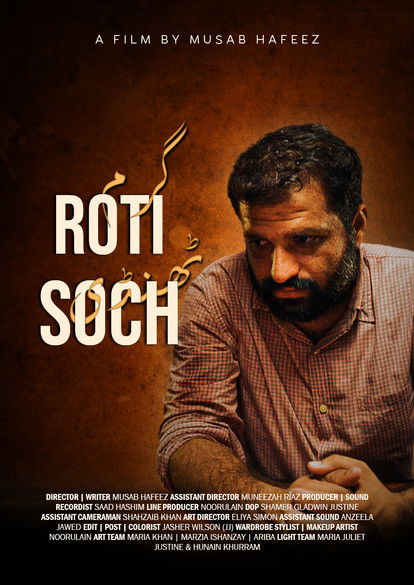
Garm Roti, Thandi Soch follows a single day in the life of Bashir, a tired, working-class man in Karachi navigating a world shaped by corruption, class divides, and quiet domestic expectations. What begins as a simple request from his wife—to bring home warm roti—turns into a symbol of everything denied to him. Throughout the day, Bashir endures the suffocating monotony of his government job, the intrusion of a performative NGO crew, and the daily humiliations of a city where the powerful move freely and the powerless wait in silence. His offhand remark, “Mulk ke halat garam hain, par roti thandi hai,” becomes an accidental viral soundbite. By nightfall, he returns home emptied, carrying only cold roti and the weight of unseen struggles. His silence at the end captures a life swallowed by a society that overlooks him, offering no transformation—only the stillness of enduring what cannot be changed.