Loading titles…
Documentary
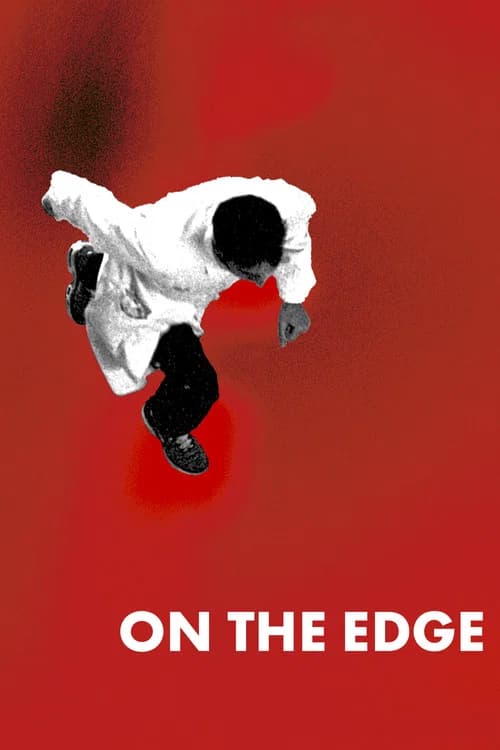
Things are busy at the Paris hospital where young psychiatrist Jamal and his colleagues work. The place is run down, the staff are exhausted, budgets are constantly being slashed. You know the story, but you’ve rarely seen it conveyed as engagingly as in ‘On the Edge’, which…
No cast information available.


A documentary with some fictional scenes that focuses the attention, more than on hospitalized children, on the human dynamics that are established in their families. Shot in the Oncohematology ward of an Italian hospital, the movie follows the life of some young patients being treated, alternating interviews with their relatives and hospital staff.

Edeltraut Hertel - a midwife caught between two worlds. She has been working as a midwife in a small village near Chemnitz for almost 20 years, supporting expectant mothers before, during and after the birth of their offspring. However, working as a midwife brings with it social problems such as a decline in birth rates and migration from the provinces. Competition for babies between birthing centers has become fierce, particularly in financial terms. Obstetrics in Tanzania, Africa, Edeltraud's second place of work, is completely different. Here, the midwife not only delivers babies, she also trains successors, carries out educational and development work and struggles with the country's cultural and social problems.

Belgrade in the 1990s seen through the eyes of Goran Čavajda 'Čavke', the late drummer of Serbian rock band "Electric Orgasm". Under dictatorship of Slobodan Milošević, his city became one of the worst places to live in Europe, while the country suffered highest inflation rate in its history, accompanied by mass poverty and political isolation. Documentary follows Čavke walking through the Belgrade streets where total chaos and decline of moral values rule. He finds his only shelter underground, where his friends - musicians and artists - live and work invisibly.


What happens to a relationship if a partner suddenly becomes severely disabled after an accident? For Gosia it is clear that she will stand by her boyfriend Tomek no matter what in order to let him live as normal and fulfilled a live as possible. But time and again she becomes painfully aware of her own limits, as well as of those of a society that talks a lot about inclusion but often does not seem to be ready for it. GOSIA@TOMEK is based on more than 3000 emails that Gosia has been writing to Tomek daily since his accident.

A film that exposes the shocking truth behind the economic crisis of 2008. The global financial meltdown, at a cost of over $20 trillion, resulted in millions of people losing their homes and jobs. Through extensive research and interviews with major financial insiders, politicians and journalists, Inside Job traces the rise of a rogue industry and unveils the corrosive relationships which have corrupted politics, regulation and academia.

Plunder: The Crime of Our Time is a hard-hitting investigative film by Danny Schechter. The "News Dissector" explores how the financial crisis was built on a foundation of criminal activity uncovering the connection between the collapse of the housing market and the economic catastrophe that followed.

We aren't dying the way we used to. We have ventilators, dialysis machines, ICUs-technologies that can "fix" us and keep our bodies alive-which have radically changed how we make medical decisions. In our death-denying culture, no matter how sick we get, there is always "hope." Defining Hope tells the story of patients dealing with life-threatening illness as they move between ICUs, operating rooms, hospice care and home. Diane is a nurse caring for end-stage cancer patients when she is diagnosed with ovarian cancer herself. 23-year-old Alena undergoes a risky brain surgery that destroys her short-term memory. 95-year-old Berthold lives with his elderly wife who struggles to honor his wish of dying peacefully at home. Defining Hope follows these patients and others- and the nurses that guide them along the way- as they face death, embrace hope, and ultimately redefine what makes life worth living.

Burning Out is literally a drama about life and death. For two years, the Belgian director Jérôme le Maire followed the members of a surgical unit in one of the biggest hospitals in Paris. Constantly under severe stress, understaffed and subject to severe budget cuts, employees fight each other for resources. Meanwhile the management imposes ever more stringent efficiency and profitability targets. All over Europe burnout has reached epidemic proportions among employees in the public and private sectors. Will we end up killing ourselves? Or will we be able to find meaning and joy at work?