

Loading titles…
Documentary
Orla Barry is a hard-working, lipstick-wearing sheep farmer in rural Wexford. She is also a visual artist, renowned for her video and sound art. She strides confidently from art seminars to the Tullamore Show, lambing in April and shearing in June, working tirelessly to make a…
Cast
Cast


Wolves divide and fascinate us. 150 years after they were driven to extinction in Central Europe, they are returning slowly but inexorably. Are they dangerous to humans? Is it possible to coexist? Using Switzerland as a point of departure, where wolves have returned in the very recent past, this documentary sheds light on the wolf situation in Austria, eastern Germany, Poland, Bulgaria, and even Minnesota, where freely roaming packs of wolves are more common sight.

“The shepherdess” is a short ethnographic film inspired by Joyce, an 80 year old woman who has spent her whole life farming in Eastern Ontario. While this film is largely centred on Joyce’s narrative about her life, it is also about Joyce’s flock of about 20 Suffolk ewes, the filmmaker, and the relationships between these actors.


In 1980, Jack Shae and Allen Moore, two ethnographic filmmakers from Harvard University, moved their families to the island of Berneray in the Outer Hebrides. Over the course of 18 months they documented the everyday lives and struggles of the crofters they lived among, whom were even then a vanishing breed. The film is in English and Gaelic. This carefully observed documentary by filmmakers Jack Shae and Allen Moore is a poetic ethnographic film in the style of their mentor, Robert Gardner (“Dead Birds”). It follows the rhythm of life on a wind-swept island in the Outer Hebrides through the four seasons and in the filmmakers’ observation of the day-to-day struggles of a vanishing society we see the deep-time legacy of their kind. The film is in English and Gaelic.
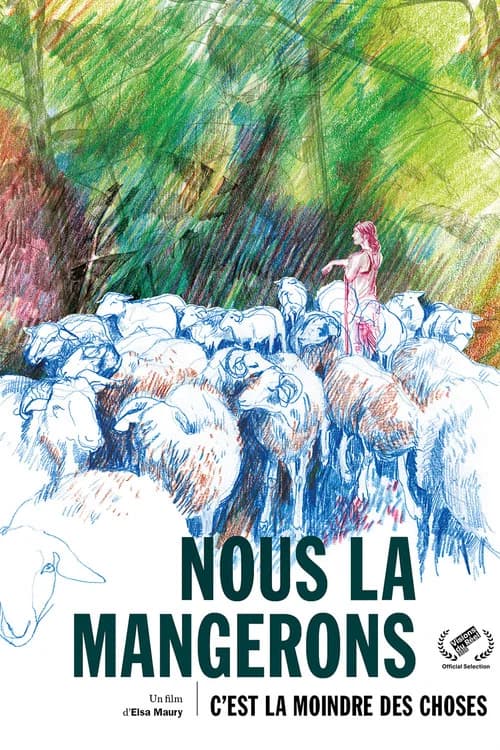
In 2016, videos showing the slaughter conditions of farm animals shocked the public opinion, who quickly forgot about them. With complicit gaze, Elsa Maury films a young shepherd’s relationship of co-dependence with her flock of ewes, which she must learn to slaughter under the best possible conditions.
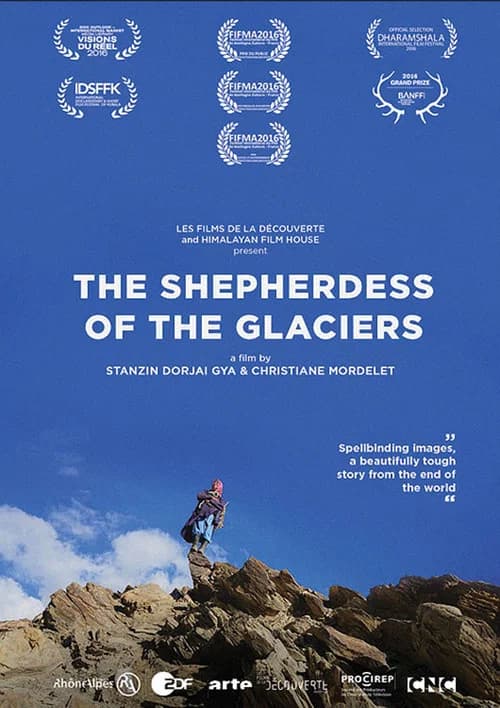
She is one of the last shepherdesses who still lives with her flock in the heights of the Gya-Miru valley in Ladakh. At the age of 50, Tsering is the youngest in her village to drive her 350 goats and sheep at the expense of transhumance in this region of the Himalayas, located between 4000 and 6000 meters above sea level. A harsh and precarious life, often solitary, mishandled by difficult climatic conditions and a sometimes hostile nature, which does not prevent this tiny bit of woman to sing, laugh and ... philosophize.

