Loading titles…
Sari
Maria
Jefsu
Alma73
DÑ
Luca
Pedroca
Tafarel de Souza Lopes
Michele de Souza Lopes
CSC
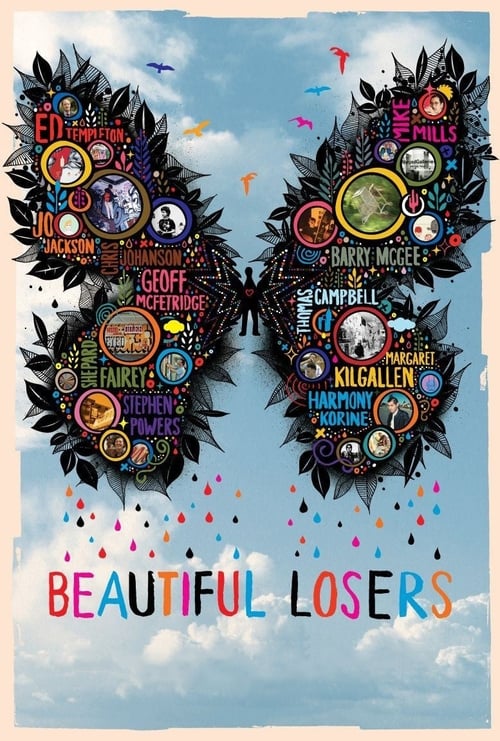
Street art, creativity and revolution collide in this beautifully shot film about art’s ability to create change. The story opens on the politically charged Thailand/Burma border at the first school teaching street art as a form of non-violent struggle. The film follows two young girls (Romi & Yi-Yi) who have escaped 50 years of civil war in Burma to pursue an arts education in Thailand. Under the threat of imprisonment and torture, the girls use spray paint and stencils to create images in public spaces to let people know the truth behind Burma's transition toward "artificial democracy." Eighty-two hundred miles away, artist Shepard Fairey is painting a 30’ mural of a Burmese monk for the same reasons and in support of the students' struggle in Burma. As these stories are inter-cut, the film connects these seemingly unrelated characters around the concept of using art as a weapon for change.

The third and final episode of the Dirty Handz trilogy was released in 2006, but all events took place before 2001. This video symbolises the culmination of the controversial activity of the graffiti artists through a retrospective look at the actors. The film is entirely made by members of the SDK crew and follows a European tour of one of their members, tired of the monotony of the Parisian environment. There is an analysis of the different operational techniques writers use in each country.
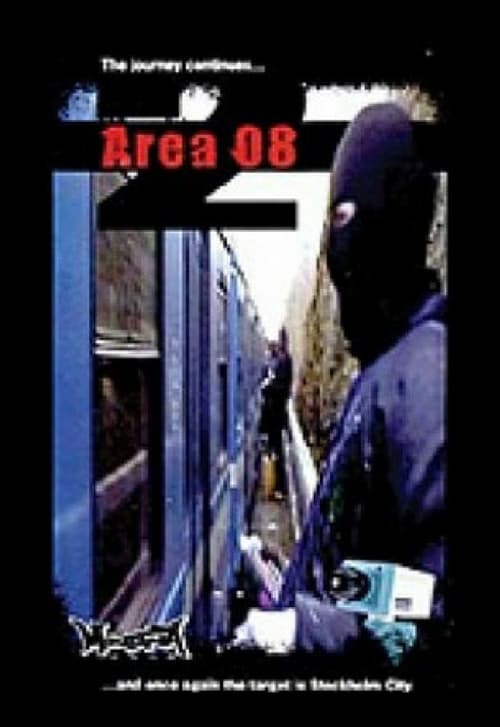
The journey continues, and once again the target is Stockholm city… The 2nd episode of Area 08 features many whole trains and live backjumps from Stockholm, Sweden. There's a lot of tagging and painting of trains and metros from WUFC-SDK, PMS, FAME, HNR. The style and a soundtrack were inspired at the time by the famous Dirty Handz 2.
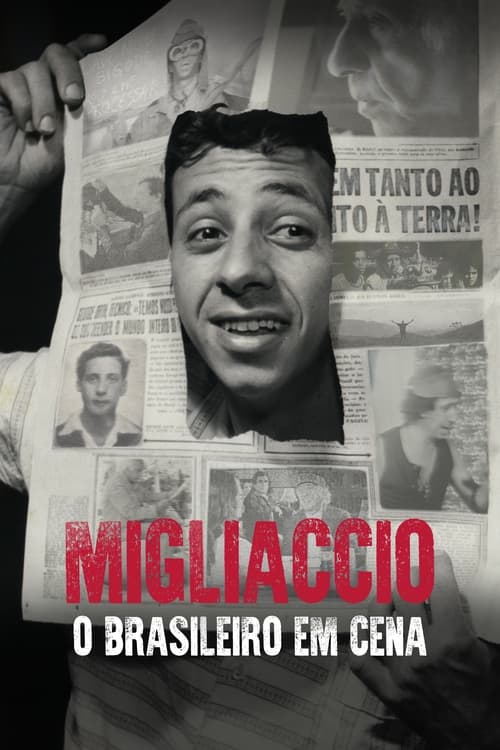
The documentary Migliaccio - O Brasileiro em Cena follows the path of those who take risks for the art, either as directors, as writers, as scenographers and even as costume designers. The Oscarito trophy received by Flávio Migliaccio in 2014 Gramado Film Festival crowns a career enmeshed by many threads. Since Migliaccio has performed in different fields of art - from cinema and theater to literature and drawing -, the documentary creates varied visual interventions to enchain the narrative, in addition to the interviews and archive pictures, such as a shadow play to represent his humble childhood, and to the cartoons the artist drew to portray his existential questions in his ranch in Rio Bonito (State of Rio de Janeiro). Images and stories that aim to show a professional and personal life pervaded by possibilities and attitudes, both artistic and political.