Loading titles…
To stay below a 1.5 degree increase in global temperature, we must leave between 60 and 80% of fossil fuel reserves in the ground. Which energies should be preferred to replace oil, gas and coal? Renewable energies or nuclear energy?
Lui-même
Lui-même
Lui-même / animateur

The year is 2050 and alien space travelers look down on Planet Earth and witness the terrible devastation that it has suffered from climate change and environmental destruction at the hands of its most dominant species—humans. Incomprehension sweeps throughout the alien ship and into their alien thoughts, as they ask 'how can such an intelligent and creative species treat their own planet like this?' They return to the present day to warn young people about the society that awaits them if positive action is not taken. Time is running out—it's not too late.


The defense and the prosecution have rested and the jury is filing into the jury room to decide if a young Spanish-American is guilty or innocent of murdering his father. What begins as an open and shut case soon becomes a mini-drama of each of the jurors' prejudices and preconceptions about the trial, the accused, and each other.

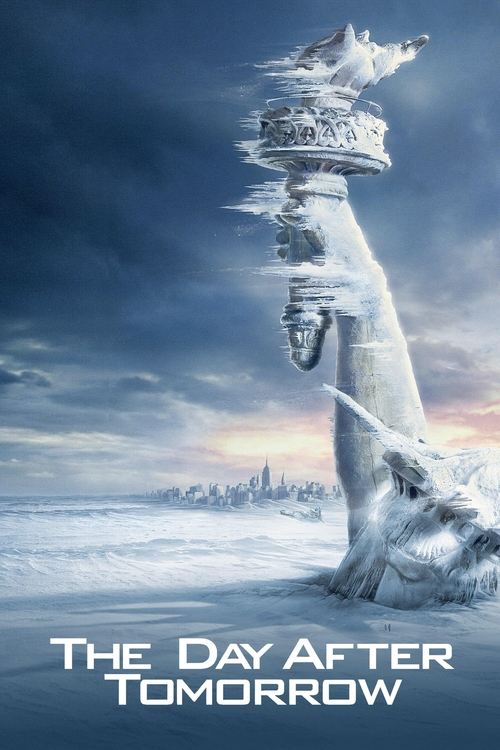
After paleoclimatologist Jack Hall is largely ignored by UN officials when presenting his environmental concerns about the beginning of a new Ice Age, his research proves true when a superstorm develops, setting off catastrophic natural disasters throughout the world. Trying to get to his son, Sam, who is trapped in New York City with his friend Laura and others, Jack and his crew must travel to get to Sam before it's too late.
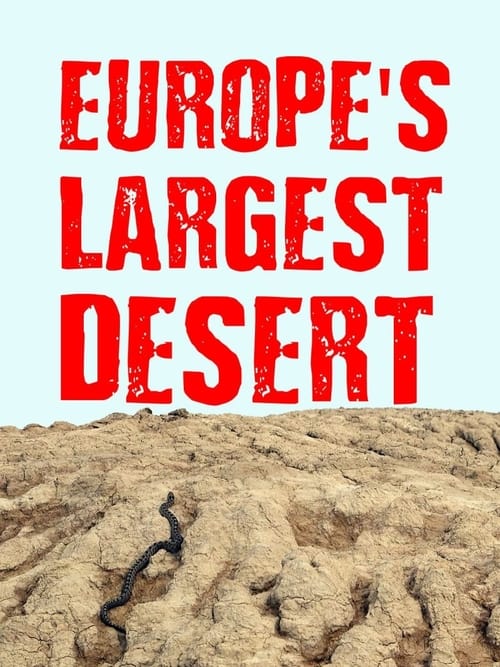
Near the cold Pyrenees of Iberia, surrounded by ancient and dark green forests, lies a strange land where the rain is scarce and the wind is always blowing. The soil is poor, there are no trees and the landscape resembles the moon. Is this what the future of desertification will look like? Incredible creatures with surprising behavior live in this strange landscape. The documentary explores a place with very dry skin but a wet hidden heart where even waterfowl or amphibians can live. Living in such conditions is not easy and only the toughest animals will survive.

On November 25, 1973, the first of four car-free Sundays transformed West Germany's deserted highways into spaces for walking, cycling, and horse-drawn carriages, while towns and cities took on a festive atmosphere. Introduced during the oil crisis to conserve fuel after the Arab oil embargo and production cuts following the Yom Kippur War, the measure became an unforgettable collective experience. Beyond the immediate energy shortage, the crisis marked a turning point, ending the postwar economic boom and encouraging greater awareness of energy use, consumerism, and environmental issues.