Loading titles…
Self - Narrator (voice)
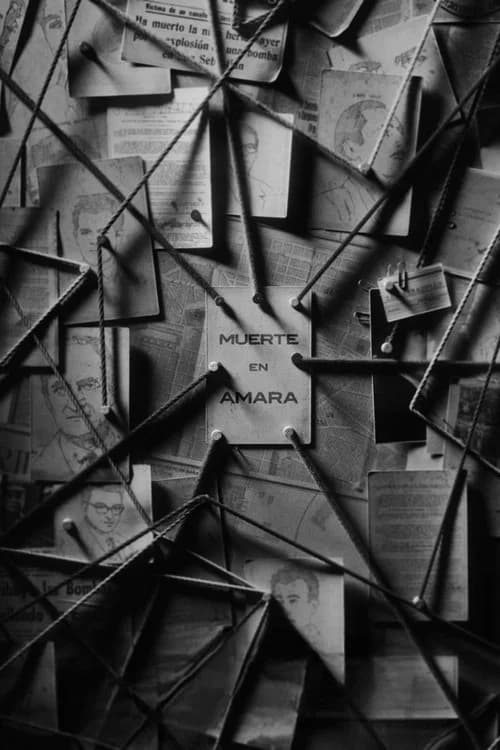

A history of the Spanish Transition told in first person by the main protagonists: on the one hand, the politicians, idealistic or merely opportunistic, who brought it to a successful conclusion in the tribunes and offices; on the other hand, the citizens who, in the streets, supported it sincerely or fought it with ferocity.


This film follows a group of free-spirited, courageous, and inspired women who feel a deep calling to serve as Catholic priests. Despite their unwavering faith and dedication, they face a rigid barrier: the Church's refusal to recognize their vocation. Determined to understand why, these women embark on a bold investigation into the heart of the Vatican, one of the last strongholds of institutionalized misogyny, challenging centuries of tradition to uncover the reasons behind this powerful and injust prohibition.

Spain, 1970s. A Clockwork Orange, a film considered by critics and audiences as one of the best works in the history of cinema, directed by Stanley Kubrick and released in 1971, was banned by the strict Franco government. However, the film was finally premiered, without going through censorship, during the 20th edition of the Seminci, the Valladolid Film Festival, on April 24, 1975. How was this possible?
In a street in the north of Shanghai we find a small restaurant, dirty and run-down, but with lots of personality, where Chinese noodles (miantiao) are made 24 hours a day. It’s run by an ethnic Hui Muslim family from the region of Qinghai, in Northwest China. ‘Abierto 24 horas’ presents a chronological account of the 24 hours of life in this establishment.