Loading titles…
Documentary
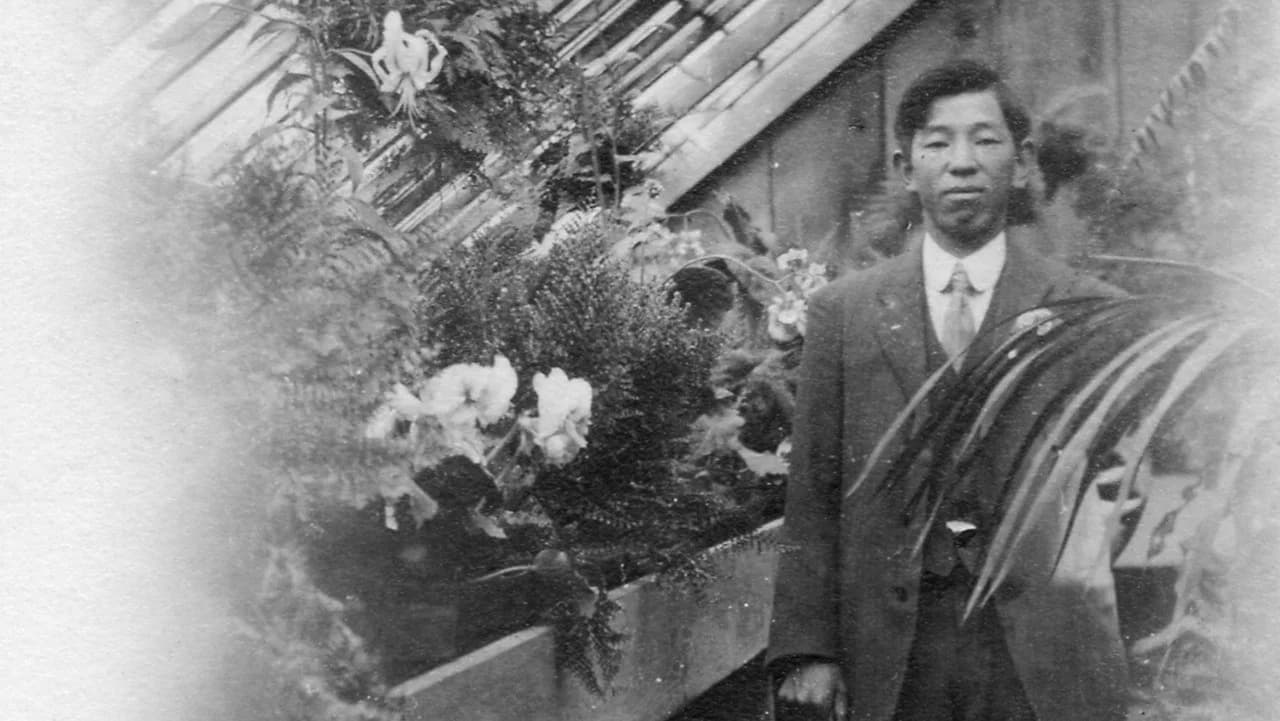
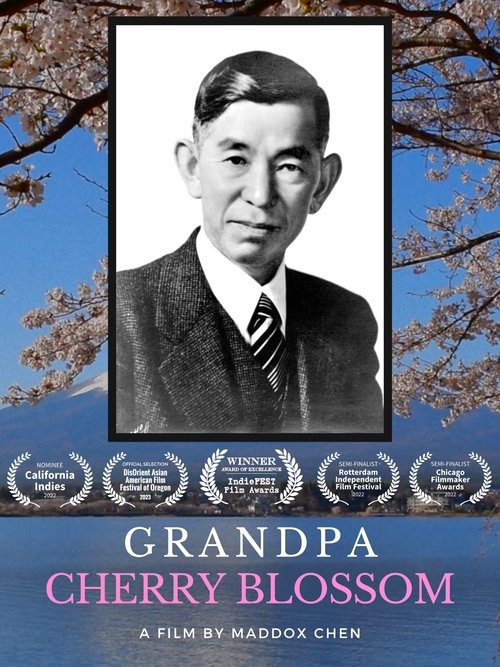
The story of Francis Uyematsu, a Japanese immigrant, told through the words of his granddaughter, Mary Uyematsu Kao, and Chuck Currier, a local historian and former teacher. Uyematsu created a booming flower nursery, owning 120 acres of land in Manhattan Beach until the…
Self
Self
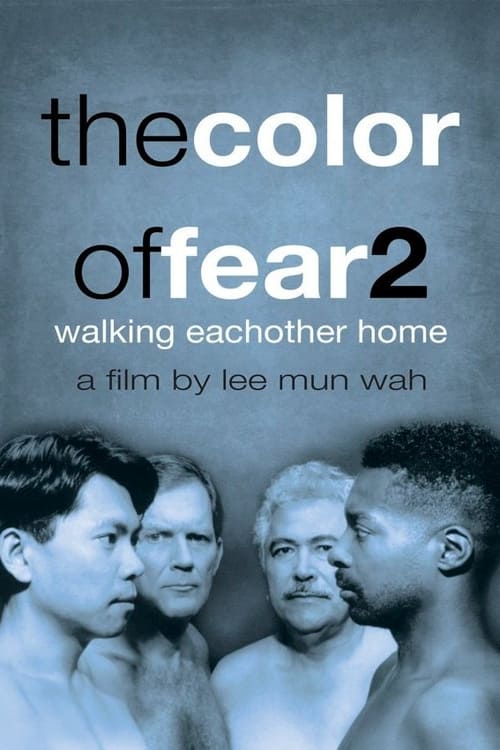
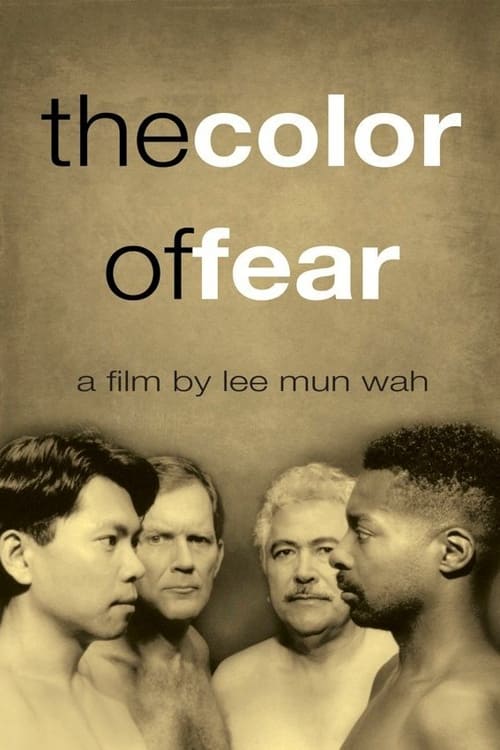
In THE COLOR OF FEAR, eight American men participated in emotionally charged discussions of racism. In this sequel, we hear and see more from those discussions, in which the men talk about about how racism has affected their lives in the United States. We also learn more about the relationships between them, and about their reactions during some of the most intense moments of that discussion.
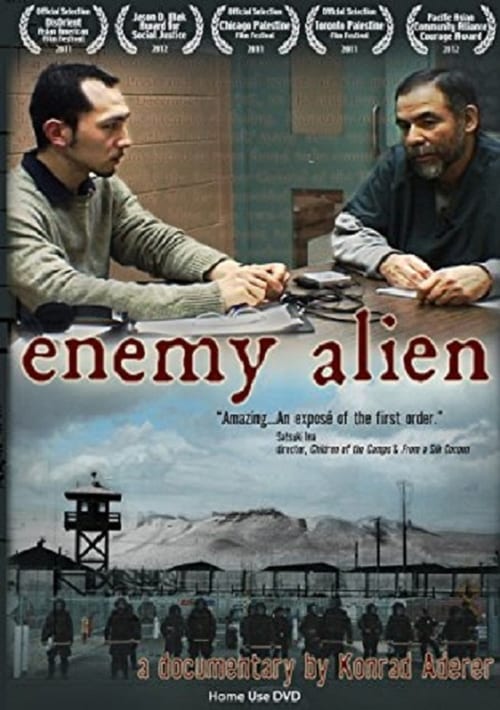
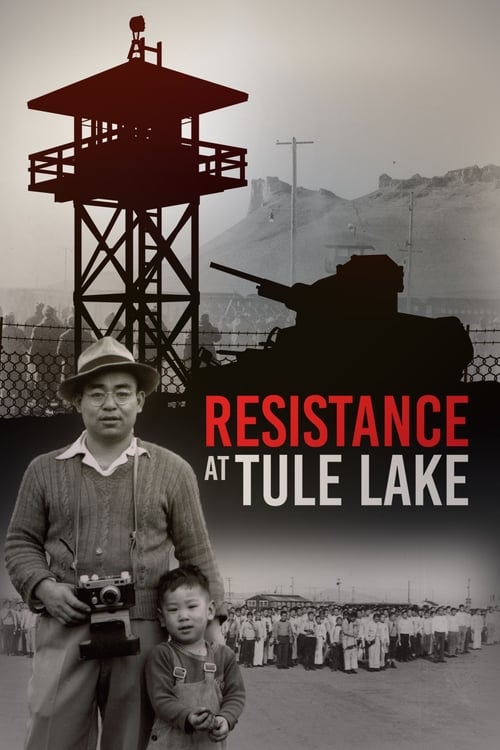
The long-suppressed story of 12,000 Japanese Americans who dared to resist the U.S. government's program of mass incarceration during World War II. Branded as 'disloyals' and re-imprisoned at Tule Lake Segregation Center, they continued to protest in the face of militarized violence, and thousands renounced their U.S. citizenship. Giving voice to experiences that have been marginalized for over 70 years, this documentary challenges the nationalist, one-sided ideal of wartime 'loyalty.'

This historical documentary tells the little-known story of Ralph Carr, who was the Governor of Colorado from 1939-1943. Governor Carr was a passionate defender of Japanese Americans' rights when people of Japanese ancestry, including many American citizens, were relocated to internment camps in 1942.
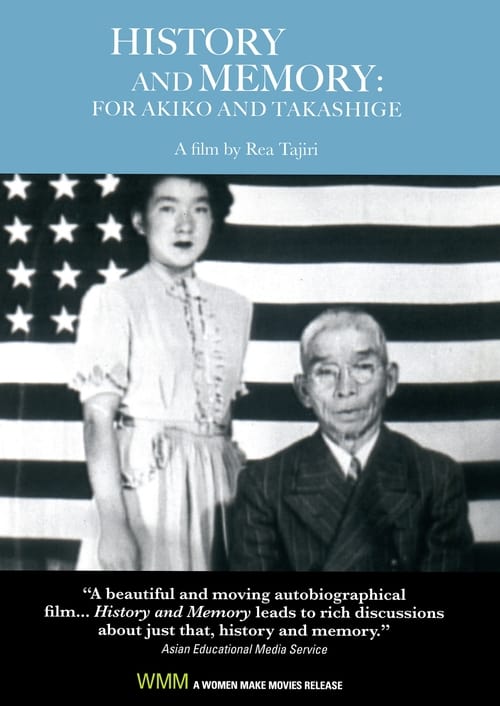
This film is a poetic composition of recorded history and non-recorded memory. Filmmaker Rea Tajiri’s family was among the 120,000 Japanese and Japanese Americans who were imprisoned in internment camps after the attack on Pearl Harbor. And like so many who were in the camps, Tajiri’s family wrapped their memories of that experience in a shroud of silence and forgetting. This film raises questions about collective history – questions that prompt Tajiri to daringly re-imagine and re-create what has been stolen and what has been lost.

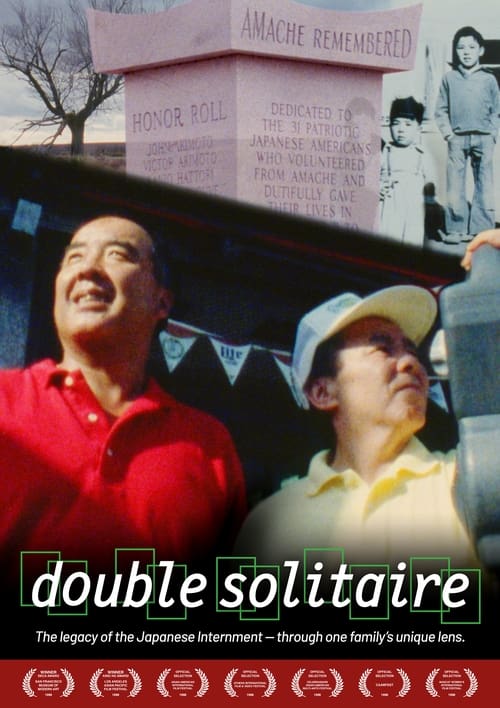
The filmmaker's father and uncle, Norm and Stan, are third generation Japanese Americans. They are "all American" guys who love bowling, cards and pinball. Placed in the Amache internment camp as children during World War II, they don't think the experience affected them that much. But in the course of navigating the maze of her father's and uncle's pursuits while simultaneously trying to inquire about their past, the filmmaker is able to find connections between their lives now and the history that was left behind.
Guilty by Reason of Race was produced and reported by veteran producer Robert Northshield and incorporated historic footage and photographs with contemporary interviews with Japanese Americans as well as those who advocated for incarceration at the time to tell the story of Japanese American removal from the West Coast and their subsequent confinement in concentration camps. Several former inmates are filmed visiting the places where they had been incarcerated, including Amy Uno Ishii, J. H. Takeda, and Betty Kozasa visiting Santa Anita and activist Edison Uno (who was an adviser to the film's producers) at Amache. It is also notable for including an interview in Tokyo with renunciant Masao Amachi, who recalled that he had "lost confidence" in the U.S. and felt that no matter who won the war, that he "would always be looked at as a Jap."
This short documentary produced by the University of Oregon Multimedia Journalism graduate program explores memories of Portland's Japantown – Nihonmachi – and the thriving Japanese American community in Oregon prior to World War II. The film features Chisao Hata, an artist, teacher and activist, and Jean Matsumoto, who was incarcerated at the Portland Assembly Center and in the Minidoka concentration camp as a child.