
Loading titles…
Documentary
In 1986, twelve years after his film Kihnu Naine (The women of Kishnou), Mark Soosaar made this complementary documentary at the centre of which are the male inhabitants of the island. With a bitter undertone to it, Soosaar shows how, to this view, a lack of possibilities for…

No cast information available.

Documentary film about Tony Halme, masculinity and populism. The film follows how Tony Halme created a mythical, highly masculine freestyle wrestling character, The Viking, who gained fame both in the ring and in the public eye and eventually became captivated by it. With his brash speeches, Halme fired the starting shot for the rise of the Finns Party. The voice of a forgotten section of the population, a protest against the ruling elite, were the building blocks of Halme's popularity. Halme's great popularity has served as a good example of a populist figure, admired within the deep ranks of the nation, who comes from outside the political elite and changes the direction of politics. Also, despite - or perhaps because of - his openly racist statements, he was part of changing the political climate in Finland to a more acrimonious one.

A tender portrayal of four stubborn brothers becomes a touching contemporary Swedish family chronicle about dreams, class, heritage, and the difficulty of connection. The Andersson brothers grew up in a working-class home in Gothenburg. Roy became an internationally acclaimed filmmaker while Ronny ended up as a homeless man. Kjell became a documentary filmmaker, and Leif lives as a disability pensioner.

Paris, Rue Beautreillis, July 3, 1971. The corpse of rock star Jim Morrison is found in a bathtub, in the apartment of his girlfriend Pamela Courson. The chronicle of the last months of the life of the poet, singer and charismatic leader of the American band The Doors, one of the most influential in the history of rock.

The degenerate alcoholics, the men and women of the beaches, themselves speak openly about their lives and problems. Through their stories, a picture emerges of those on the periphery of society who succumbed to alcohol because of war or difficult living conditions. They are aware of their own State; reason is still there, but the Will is lacking. The film is a cry for help on behalf of humans, it is a dispassionate and honest description of the position of degenerate alcoholics in Finnish society in the early 1970s.

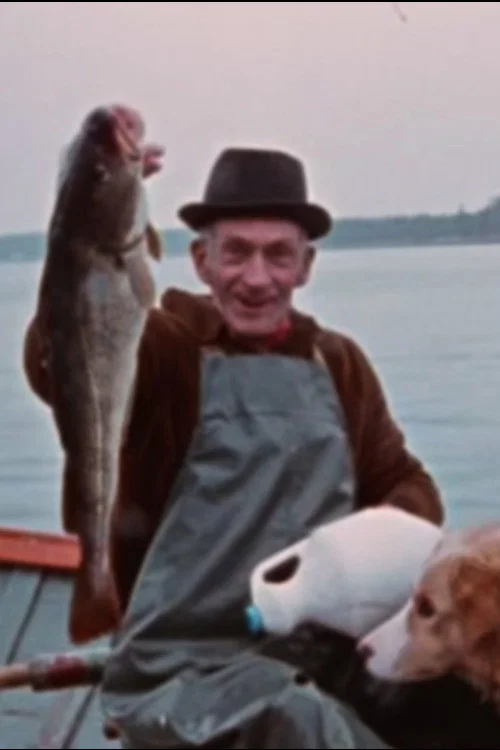
Arthur and Ernest are two bachelor fishermen who occupy the proverbial end-of-the-road on Morris Island, an Acadian community in southern Nova Scotia. Sober or not, they carry on with and for the filmmaker who is attempting to find out about their lives. The resulting encounters owe a smuch to Harold Pinter or Samuel beckett is they do to the documentary genre of film-making.
One of several films by the Hoffman-Skórzewski duo, made as part of the "black series" of Polish documentaries showing social problems hidden from viewers behind the façade of socialist realist productions until the mid-1950s. The subject of the film are the effects of alcoholism, whose innocent victims are children.


A rough but beautiful documentary film about the crisis of a man in his forties and his desire for a better life; its a story of parenthood, alcohol, Finnish man and his desire for love. It is also an unusually intimate depiction of the relationship between the father and his son. Despite the seriousness of the topic the film includes black humor and situational comedy

Alcoholics Anonymous is a community of men and women who share their experience, hope and support with each other so that they can address their common problem and help others to break free from alcohol addiction. The documentary follows the stories of ten people who have been on the verge of alcoholism for almost their entire lives.