Loading titles…
self
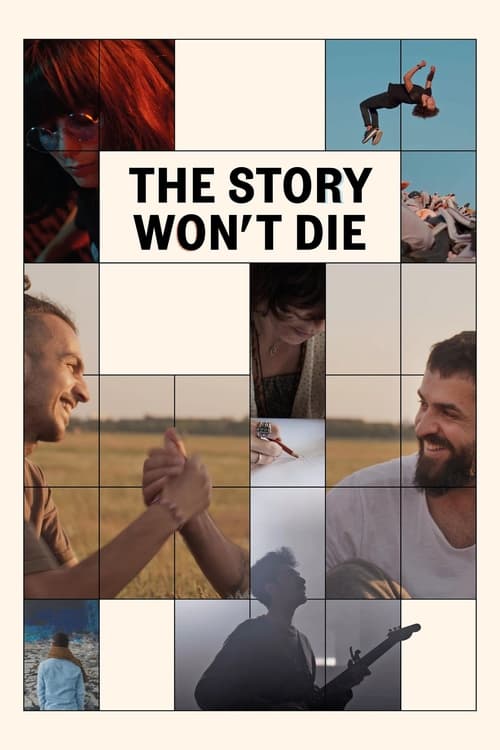
THE STORY WON’T DIE, from Award-winning filmmaker David Henry Gerson, is an inspiring, timely look at a young generation of Syrian artists who use their work to protest and process what is currently the world’s largest and longest ongoing displacement of people since WWII. The film is produced by Sundance Award-winner Odessa Rae (Navalny). Rapper Abu Hajar, together with other creative personalities of the Syrian uprising, a post-Rock musician (Anas Maghrebi), members of the first all-female Syrian rock band (Bahila Hijazi + Lynn Mayya), break-dancer (Bboy Shadow), choreographer (Medhat Aldaabal), and visual artists (Tammam Azzam, Omar Imam + Diala Brisly), use their art to rise in revolution and endure in exile in this new documentary reflecting on a battle for peace, justice and freedom of expression. It is an uplifting and humanizing look at what it means to be a refugee in today’s world and offers inspiring and hopeful vantages on a creative response to the chaos of war.
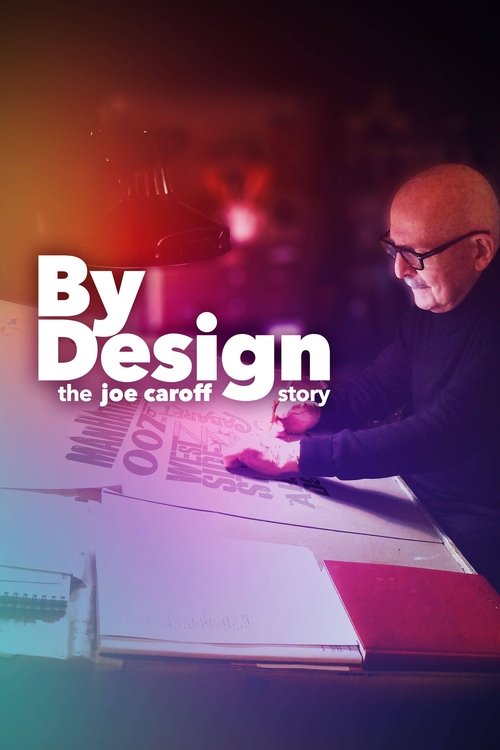
He may not be household name, but Joe Caroff is one the most influential graphic designers of the 20th century. His work is a history of the pop culture of our time: from iconic corporate logos (like ABC News and ORION Pictures) and book jackets (Norman Mailer’s The Naked and the Dead) to some of the most instantly recognizable “title treatments” for such classics as WEST SIDE STORY, A HARD DAY'S NIGHT, CABARET, LAST TANGO IN PARIS, MANHATTAN, and the James Bond gun logo. Caroff’s story is told by the centenarian himself, with reminiscences of growing up during the Depression and service in WWII, along with interviews with Phyliss Caroff, his wife of over 70 years, producer Mike Medavoy, and others.

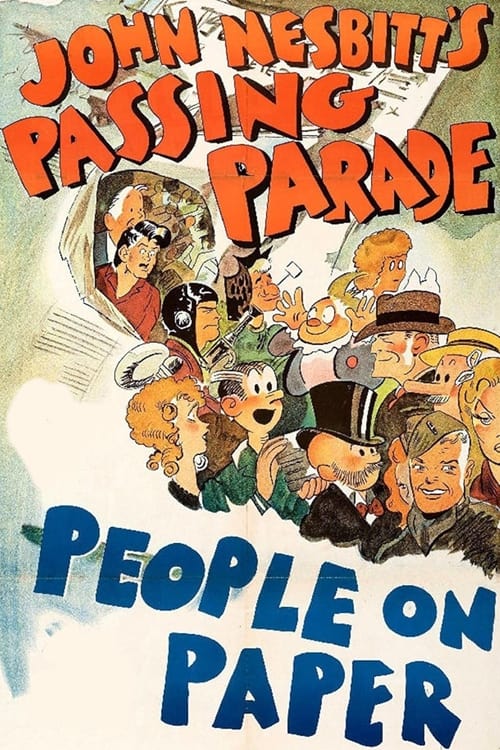
Americans are preoccupied with the news, but need an escape from many of the events reported in the news. These escapes in the past have included dime store novels. The most accessible of these escapes is what are known as the funny papers, the set of serialized comic strips that are included within many newspapers. They appeal to all socio-economic classes, and all ages. Some of the earliest known from the late 19th century include the Yellow Kid, Little Nemo, Happy Hooligan, the Katzenjammer Kids, Mutt & Jeff, and Bringing Up Father. Many cartoonists are seen in action. Some originated their characters, while others have taken over following the passing of the originator. The joy of many comic strips are the absurd and the fantastical, which are limited only by the imagination of the cartoonist. Others are grounded in reality, which add to their poignancy within the public mindset.
Len Lye (1901-1980) was a pioneer of experimental animation, and also of kinetic sculpture. This short film dramatically presents 18 minutes inside the head of the artist as a teenager. The opening scenes are set in New Zealand in the year 1917, on the day when Lye (setting out on his bicycle to deliver newspapers) makes his excited discovery that motion can be the basis for a radically new approach to art.
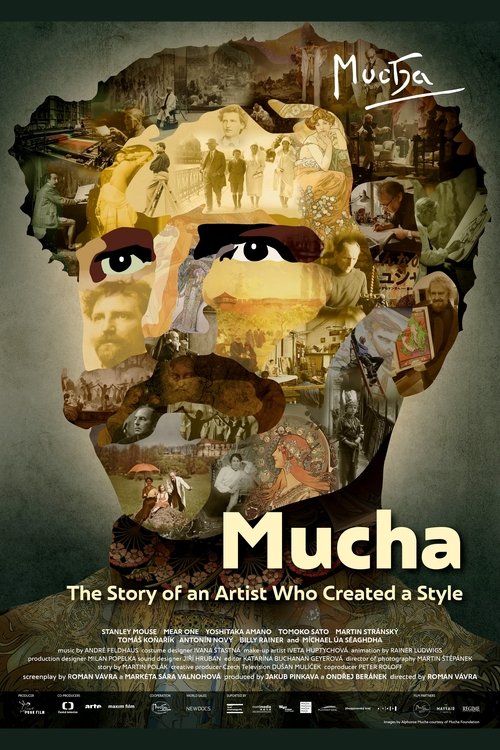
Czech painter and illustrator Alphonse Mucha (1860-1939) ranks among the pioneers of the Art Nouveau movement at the end of the 19th century. Virtually overnight, he becomes famous in Paris thanks to the posters that he designs to announce actress Sarah Bernhardt’s plays. But at the height of his fame, Mucha decides to leave Paris to realize his lifetime project.
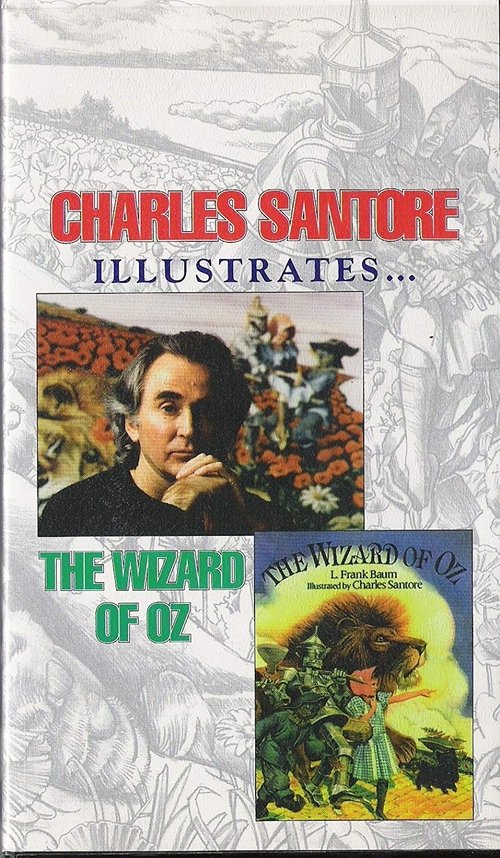
Charles Santore, in an expansion of his discussion in “Oz: The American Fairyland” (1997) (V), tells about his experience making an abridged storybook of “The Wizard of Oz”. He tells of his inspirations, the little girl who modeled for Dorothy, the tin man in folk art, and a left to right progression in a journey of identity, with opposing forces pushing the movement in art back to the left.
The last 15 years has seen a boom in the UK graphic arts and illustration industry, with a DIY scene emerging and prospering alongside new and affordable leaps in technology. So much of our lives is now spent in the virtual digital realm, so what will become of the tactile objects we all hold so dear? Will we see books disappear in our lifetime?
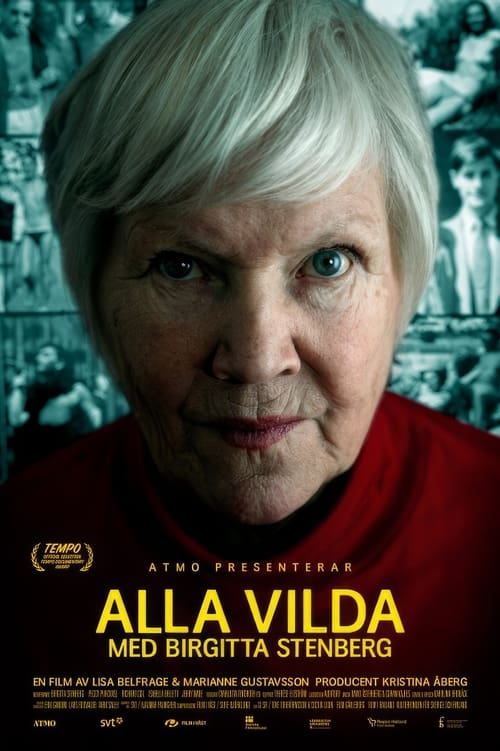
At 18, right after the Second World War, Birgitta Stenberg bought a one-way ticket to Europe. Far from Sweden, she plunges into a wild life with bohemians from around the world. She falls in love, gets exploited, takes drugs, and exploits others. Her life is forever shaped by these years and these people. A life on the fringe. In The Wild Ones she travels to places like New York, Paris and Rome, returning to former lovers of both sexes. They face their choices and the consequences. Was it truly free to live like that? Was it worth it?