
Loading titles…
Documentary
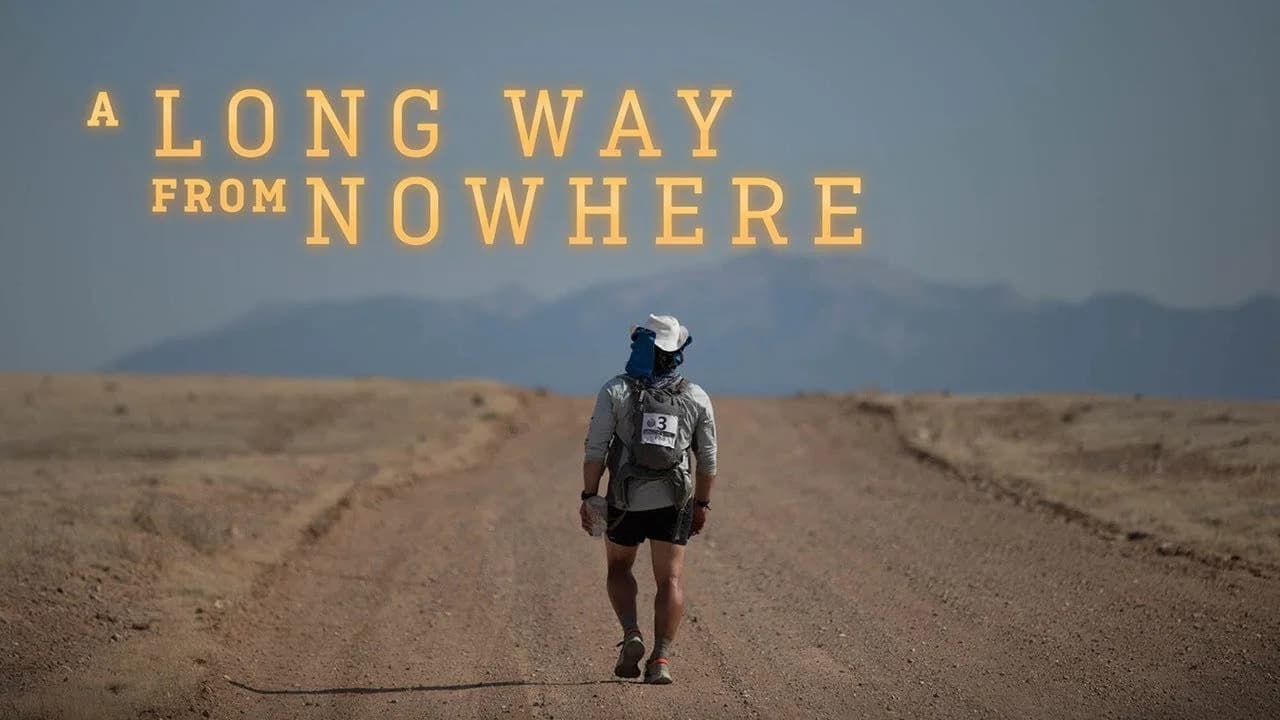
What compels a person to run 150 miles through the desert at the height of summer? Is it the need for achievement, the competitive instinct, or something deeper? A Long Way From Nowhere is a different sort of extreme sports film—one centered not around winning or extraordinary…

Self
Self
Self


Survival! is a 22-minute, Alan Madison-directed instructional wilderness survival film focusing on safety techniques. It is often described as a surprisingly cinematic, educational piece. Four scenarios depict the dangers of hyperthermia and hypothermia and how common sense, being prepared and following a few important tips can save your life: Scenario 1: A fisherman falls in icy water and suffers from hypothermia. Scenario 2: An unprepared family hikes into the mountains and is surprised by a sudden change in the weather. Scenario 3: A couple guys make multiple mistakes in the desert and experience the consequences. Scenario 4: A hunter gets lost in the forest during a winter storm.
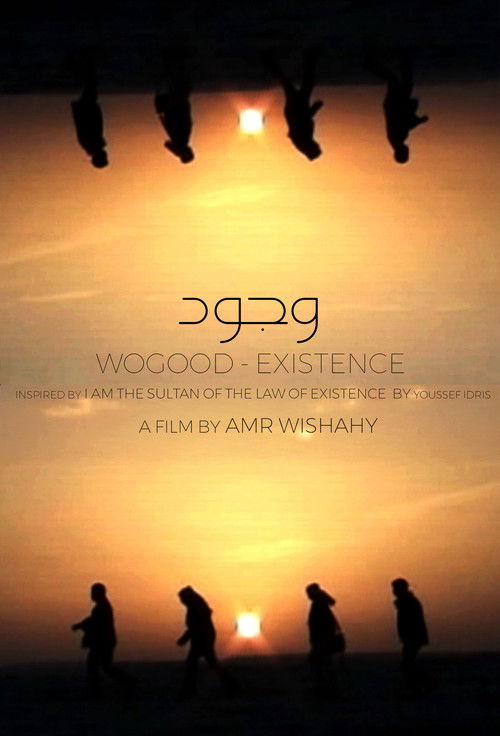
After reading I Am the Sultan of the Law of Existence by Youssef Idris, a five-day journey through Egypt’s Western Desert, traveling from north to south., covering 2,800 km and shooting for 35 hours, the expedition became both physical and existential. The desert’s vastness and silence echo the text’s meditation on the relationship between man, nature and the universe, transforming the landscape into an active force that reshapes perception and confronts the nature of existence.
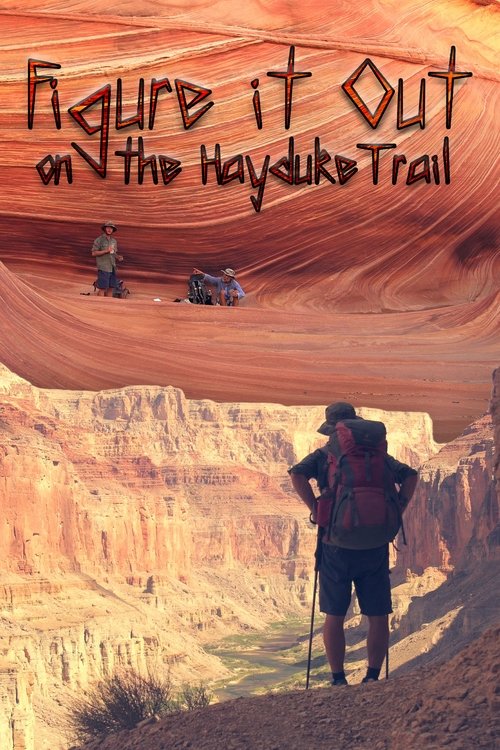
Cameron Balser had just returned home from his 12,000 mile run around the perimeter of the United States. His home town running group, Meshingomesia Track Club, was hosting their annual last man standing/back yard ultra, "Prairie On Fire." Prairie on Fire was going into their 3rd year as a race and they had yet to have anyone reach 100 miles. Cameron, who had won the race in 2023, was still recovering from his epic run, but, had made a promise to come back in 2024 to help achieve that milestone.
For African athletes making money abroad is the big goal. But Kenyan marathon runners need to be careful – the industry is ruthless and only few make it. For years, sports managers have been bringing African athletes to Europe to run in marathons with promises of potential prize money and a top career. For many it’s a means of escaping poverty. But what price do the marathon runners themselves pay? Long-distance running is among the toughest disciplines in the world. Professional marathon runners battle over seconds in a race more than 40km long - seconds that are often worth huge sums of money. Running has become a business. The prize money for a major event can be in five figures. Participants have to be world-class athletes to win these amounts.
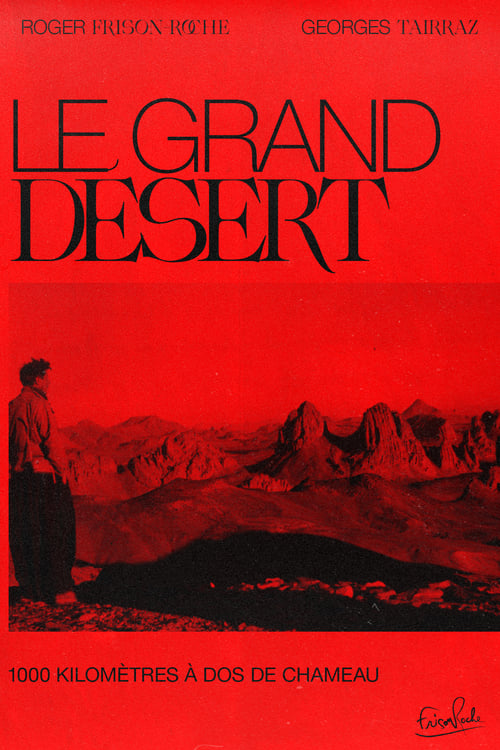
In 1950, the explorer Roger Frison-Roche made a crossing of more than a thousand kilometers on the back of a camel with the photographer Georges Tairraz II, in the heart of the Sahara, from Hoggar then Djanet in Algeria to Ghat in Libya. From their journey they brought back a large number of color films and documents. Among thousands of photos, they selected 47 images which reflect the various aspects of these immense spaces which occupy a third of Africa in the book "The Great Desert". “The Great Desert, 1000 kilometers on camelback” is the eponymous 85-minute documentary of this epic, released in 1950.