
Loading titles…
Narrator
Himself, Interviewee
Himself, Interviewee
Himself, Interviewee
Himself, Interviewee
Himself, Interviewee
Himself, Interviewee
Himself, Interviewee
Himself, Interviewee
Herself, Interviewee
Himself, Interviewee
Himself, Interviewee
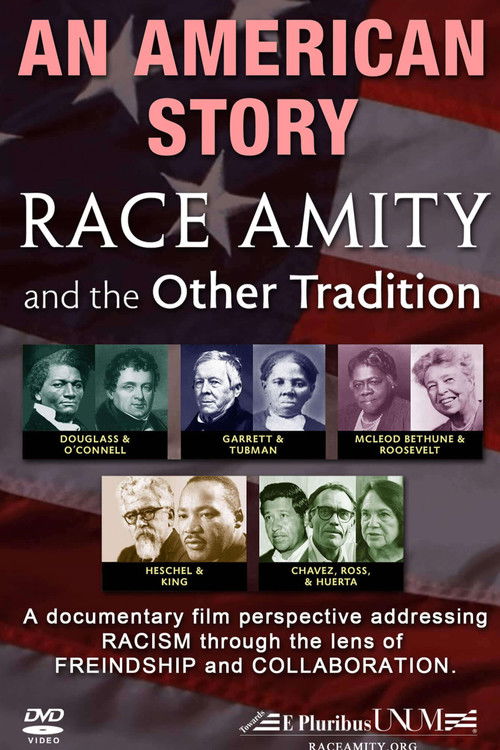
In contrast to the lens that focuses exclusively on the racist traditions that are rooted in America’s social history, the moral counterweight of close, loving, friendship and collaboration, which have always been present in our history, represents “the other tradition.” This “other tradition” is a source of inspiration and presents models of behavior that are instructional and include unknown and uncelebrated legacies to be absorbed and emulated across generations of present day Americans. The documentary discusses the “better in us” a needed collective perspective in the current climate of national disunity across racial, religious, and political lines. This has significant implications for addressing public issues from immigration to health care and the myriad of governmental, educational, business, and religious challenges that we must successfully meet to weave the fabric of unity which is indispensable to survival as a nation.
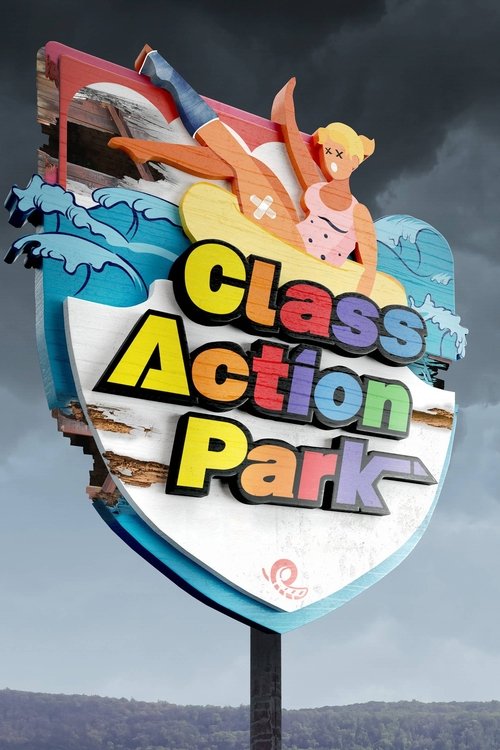
Class Action Park explores the legend, legacy, and truth behind the 1980s water park in Vernon, New Jersey that long ago entered the realm of myth. Known for its dangerous, unsupervised rides and lack of regulation, guests of Action Park expected to walk away with injuries and were lucky if they made it out alive. Shirking the trappings of nostalgia, the film uses investigative journalism, original animations, recordings, and interviews with the people who lived it to reveal the true story of Action Park.

Through ten carefully chosen cover versions that whisk us from the British Invasion to a noughties X Factor final, this film journeys over five decades to track how artists as varied as The Moody Blues, Soft Cell, Puff Daddy and Alexandra Burke have scored number 1s with their retake on someone else's song. Each of the ten classic cover versions has its own particular tale, tied not only into its musical and cultural context but also the personal testimony of the artists, producers and songwriters whose lives were changed in the process.

On November 25, 1973, the first of four car-free Sundays transformed West Germany's deserted highways into spaces for walking, cycling, and horse-drawn carriages, while towns and cities took on a festive atmosphere. Introduced during the oil crisis to conserve fuel after the Arab oil embargo and production cuts following the Yom Kippur War, the measure became an unforgettable collective experience. Beyond the immediate energy shortage, the crisis marked a turning point, ending the postwar economic boom and encouraging greater awareness of energy use, consumerism, and environmental issues.