Loading titles…

Narrator
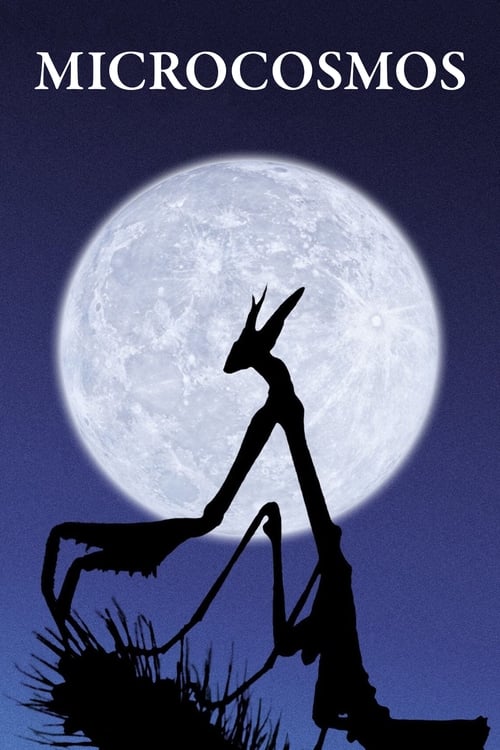
A documentary of insect life in meadows and ponds, using incredible close-ups, slow motion, and time-lapse photography. It includes bees collecting nectar, ladybugs eating mites, snails mating, spiders wrapping their catch, a scarab beetle relentlessly pushing its ball of dung uphill, endless lines of caterpillars, an underwater spider creating an air bubble to live in, and a mosquito hatching.
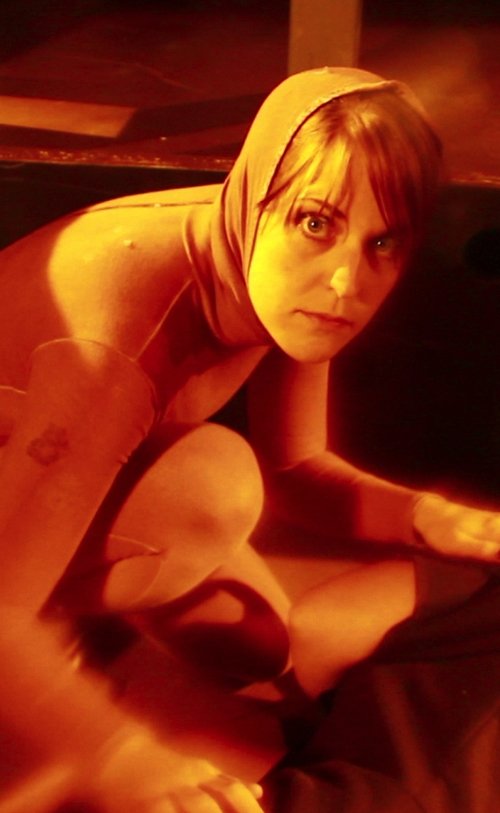
Luis Buñuel’s observation – “You can find all of Shakespeare and de Sade in the lives of insects” – was the inspiration for this experimental horror movie, in which human actors wordlessly enact the life-cycles of wasps and bees. Its purpose is to depict with emotion, humor and unnerving specificity an alternative society that really exists and has nothing to do with human beings. A highly stylized depiction of nature in all her deceitful glory.

Darwin's great insight – that life has evolved over millions of years by natural selection – has been the cornerstone of all David Attenborough’s natural history series. In this documentary, he takes us on a deeply personal journey which reflects his own life and the way he came to understand Darwin’s theory.
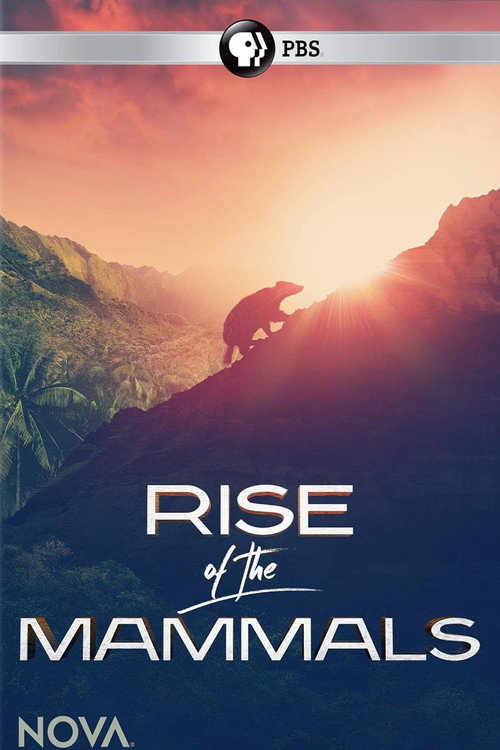
Sixty-six million years ago, an asteroid wiped out the dinosaurs in a fiery global catastrophe. But we know little about how their successors, the mammals, recovered and took over the world. Now, hidden inside ordinary-looking rocks, an astonishing trove of fossils reveals a dramatic new picture of how rat-sized creatures ballooned in size and began to evolve into the vast array of species—from cheetahs to bats to whales to humans—that rule our planet today.
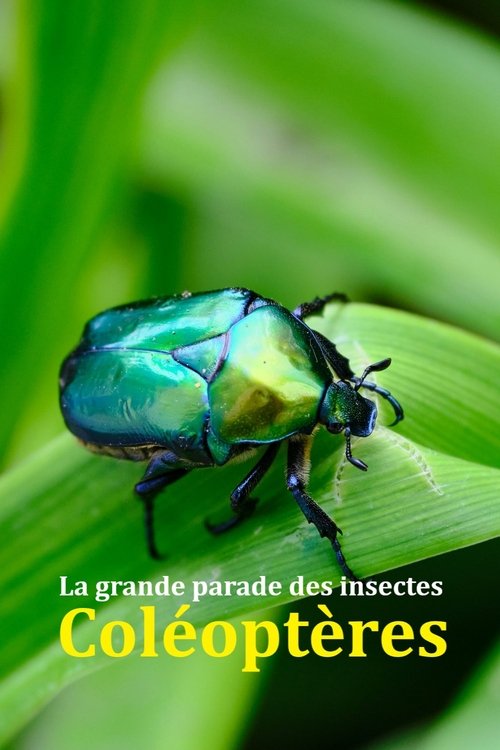
„The Fabulous Insects – Beetles“ presents colourful and bizarrely shaped species as well as the largest beetle in the world, in its habitat in the South American rainforest. The film also shows that the colourful diversity and beauty of beetles and their exciting natural history can be experienced right on our doorstep, in Central Europe. In aesthetic and never-before-seen macro slow-motion and time-lapse shots, the viewer experiences the world of beetles, which is more beautiful, colourful and surprising than many of us realise. No other group of animals on earth is so diverse: beetles come in a wide variety of ‘models’, from miniature versions a quarter of a millimetre in size to large versions twenty centimetres long. Some beetles flaunt jewel-like iridescent colours, while others wear plain black. Some come in eye-catching warning colours, while many wear an astonishing camouflage.

Deep inside the arctic, scientists are experimenting with extreme palaeontology methods to unlock the secrets of polar dinosaurs, and perhaps the key to our own survival on Earth. On Alaska's north slope there are dinosaur bones, lots of them. But they're trapped in an icy tomb - an impenetrable wall of permafrost. Dinosaurs on Ice follows the journey of two scientists, Dr Tom Rich and Dr Tony Fiorillo, who undertake separate expeditions to the Colville River in Alaska's far north to uncover the dinosaurs' bones and break the ice on a prehistoric world that until now has been unreachable. But the task is not easy. The weather is extreme, the location remote.