Loading titles…
Documentary
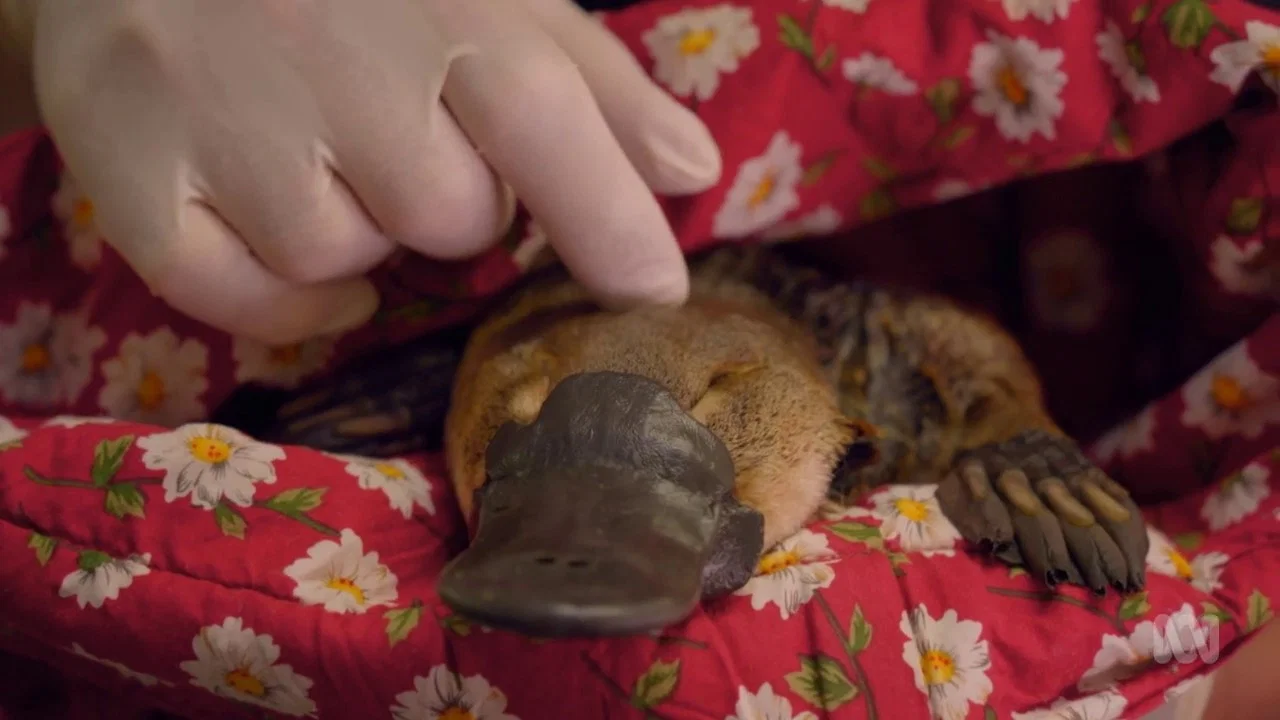
Pete Walsh is a Tasmanian obsessed with one of nature’s least understood creatures, the platypus: an egg-laying, duck-billed, venom-spined, furry-coated underwater mammal. The natural environment of the platypus is in danger from urban development in the capital city of Hobart.…
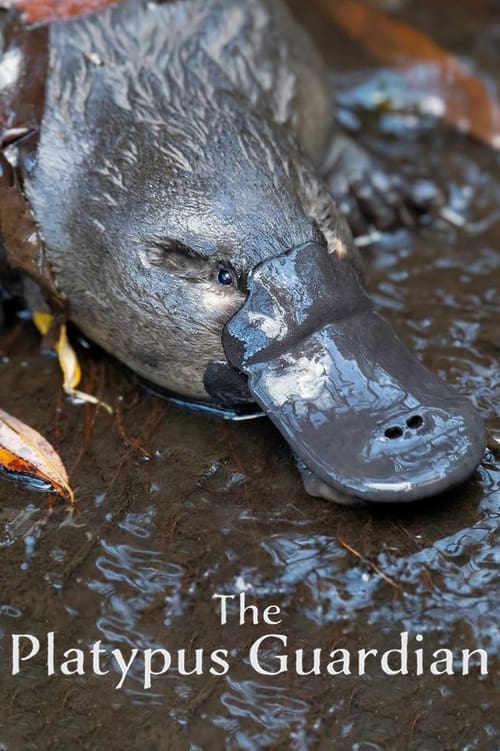
Self

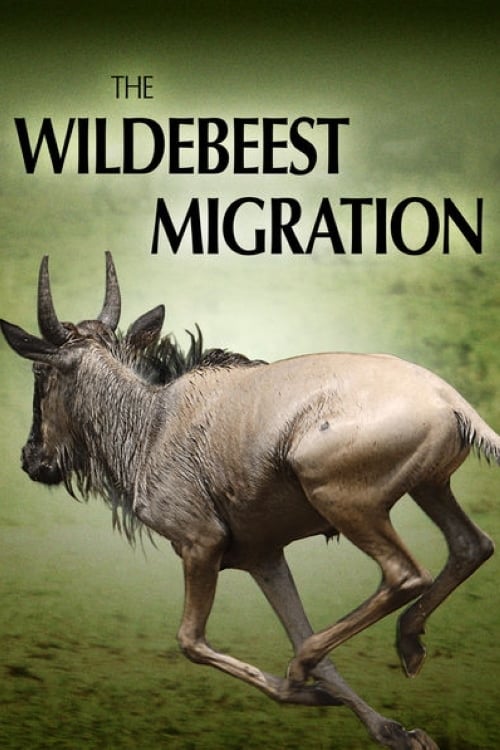
Every year, on the steppes of the Serengeti, the most spectacular migration of animals on our planet: Around two million wildebeest, Burchell's zebra and Thomson's gazelles begin their tour of nearly 2,000 miles across the almost treeless savannah. For the first time, a documentary captures stunning footage in the midst of this demanding journey. The documentary starts at the beginning of the year, when more than two million animals gather in the shadow of the volcanoes on the southern edge of the Serengeti in order to birth their offspring. In just two weeks, the animal herd's population has increased by one third, and after only two days, the calves can already run as fast as the adults The young wildebeest in this phase of their life are the most vulnerable to attacks by lions, cheetahs, leopards or hyenas. The film then follows the survivors of these attacks through the next three months on their incredible journey, a trip so long that 200,000 wildebeest will not reach the end.
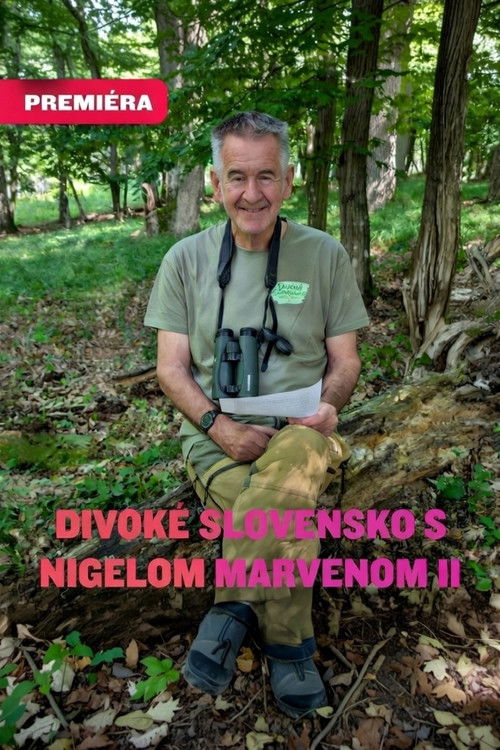
The sequel to the hugely successful documentary about the beauty of Slovak nature, featuring Nigel Marven, British wildlife filmmaker, screenwriter, presenter, and adventurer, known worldwide for his distinctive style, innovative programs, and enthusiasm. The sequel to the documentary Wild Nature of Slovakia with Nigel Marven 2 will show Slovak and international viewers that Slovakia is a "hidden gem of Europe" whose biodiversity rivals that of exotic countries around the world, with populations of bears, wolves, lynxes, and many species of birds, reptiles, and amphibians.
Deep in Papua's tropical forests, the Northern Cassowary (New Guinea's largest native animal) remains an enigma—a creature rarely seen, yet vital to the ecosystem. Often regarded as dangerous, this large, flightless bird is crucial for forest regeneration through seed dispersal. With habitat loss and hunting threatening their survival, efforts to protect cassowaries are more urgent than ever.
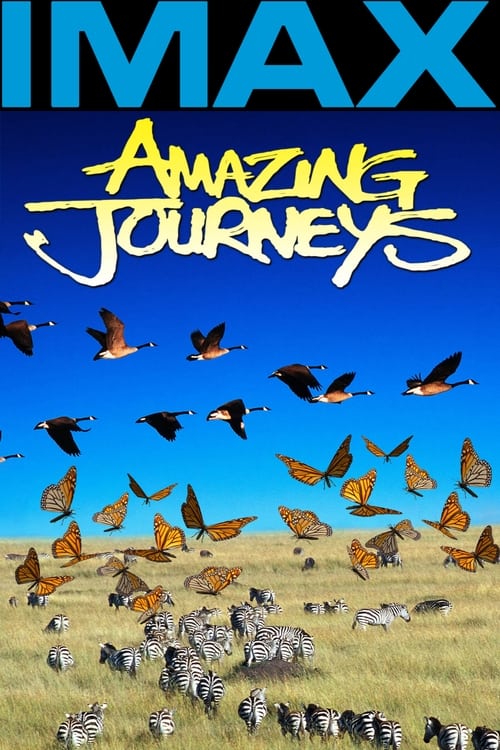
By land, by air, and by sea, viewers can now experience the struggle that millions of creatures endure in the name of migration as wildlife photographers show just how deeply survival instincts have become ingrained into to the animals of planet Earth. From the monarch butterflies that swarm the highlands of Mexico to the birds who navigate by the stars and the millions of red crabs who make the perilous land journey across Christmas Island, this release offers a look at animal instinct in it's purest form.
Coral reefs are believed by many to have the highest biodiversity of any ecosystem on the planet. A lot of the life found here can seem very alien at first, they occupy less than 1 percent of the ocean floor but yet are home to more than 25 percent of all marine life. Warm water reefs typically come to mind when thinking of the Pacific Ocean and the Caribbean Sea, these reefs are very well known but they don’t just occur in warm waters. In this one hour special, we are brought into this alien environment and discover for ourselves a strange, hidden world that is simply abundant with life, ranging from the weird to the wonderful.

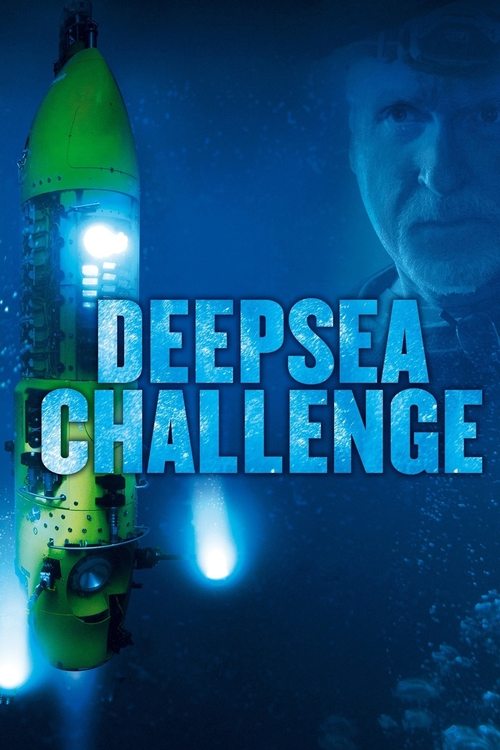
Described as being a film about determination, danger and the ocean’s greatest depths, James Cameron's "Deepsea Challenge 3D" tells the story of Cameron’s journey to fulfill his boyhood dream of becoming an explorer. The movie offers a unique insight into Cameron's world as he makes that dream reality – and makes history – by becoming the first person to travel solo to the deepest point on the planet.