Loading titles…
Drama / History / Family / Documentary
In-depth look at the twilight years, spent training apprentices, of temple builder Nishioka Tsunekazu, who was called the "devil" as he devoted his life to temple architecture. His insistence on the gargantuan timescale of linking life to the next millennium emerges from people…

Himself
Narrator

2005-2008. Video. In 2005 San Francisco real estate magnate Angelo Sangiacomo commissioned Strickland to make a movie that would chronicle final stages in the construction of his new house in Pebble Beach, CA. Amidst the spectacle of the building site, the videographer sought to portray a design project of operatic proportions that involved a sometimes dissonant cast of characters and took more than 6 years to unfold. The owners hoped that this video record might lend future visibility to a structure’s bones and soul that otherwise vanish from sight by the time building is completed.

A small construction team led by Potapov suddenly refuses to receive a bonus payment from their company for exceeding performance targets. The team accuses its construction company HQ with artificially reducing the targets, so they can be easily exceeded. It makes the management looks good, yet leads to frequent downtime reducing earnings for common construction workers even with fake bonuses. On a hastily organized meeting the management tries to subdue the "unruly" gang leader charging that he cannot know all details. It turned out that Potapov and his team prepared a detailed business analysis, which proved their point. Managers, who had different interests and positions, have to decide how to deal with the real problem leading to unexpected results.
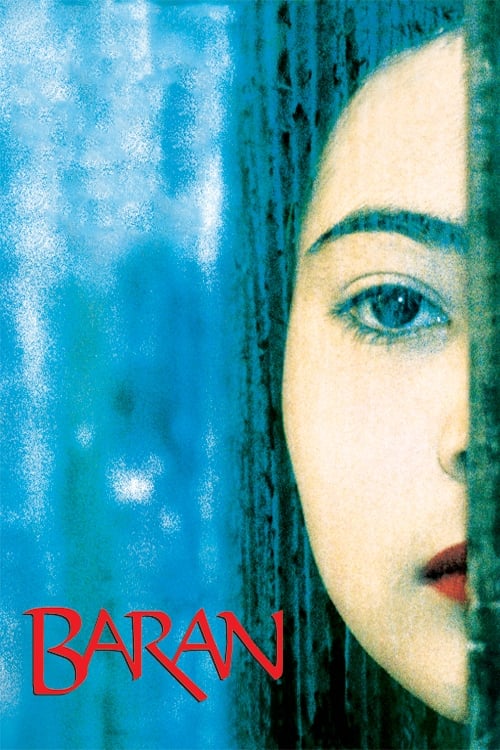

A vast wheat field, a straight road that has no end, a sky without a single building in sight – this is a town in the country where time comfortably passes by. But this former paradise is now being stirred up by a fight amongst its people over constructing an airport. This is a tale of three young people exploring youth and friendship as they reach out into the sky.


Leaky home experts John Gray and Roger Levie uncover the shocking truth about the dreadful and dangerous state of many apartment buildings in New Zealand. Buildings that look sound turn out to be seriously defective, costing millions to fix, and in the worst cases, only fit to be pulled down. The owners who thought they were making a good step on the property ladder, now find themselves faced with an emotional and financial cost that will affect the rest of their lives. How did this building disaster come about and can it be fixed?
A man named Walt who has recently completed building a fallout shelter in his home, a project initiated due to the threat of nuclear war during the Cold War era. Walt demonstrates to his friends the multi-functionality of the shelter, which can also serve as a darkroom, an extra bedroom, or a safe space during tornadoes. He explains the construction process in detail, emphasizing the need for precise measurements, proper leveling, and the use of concrete blocks for radiation protection. The shelter includes a stock of essentials like a radio, batteries, and a fire extinguisher. Walt’s narrative is interspersed with advice on obtaining official bulletins for guidance and the importance of building shelters correctly. The film concludes with a message from the Director of the Office of Civil and Defense Mobilization, advocating for the construction of family fallout shelters across America as a means of personal safety and national security in the nuclear age.

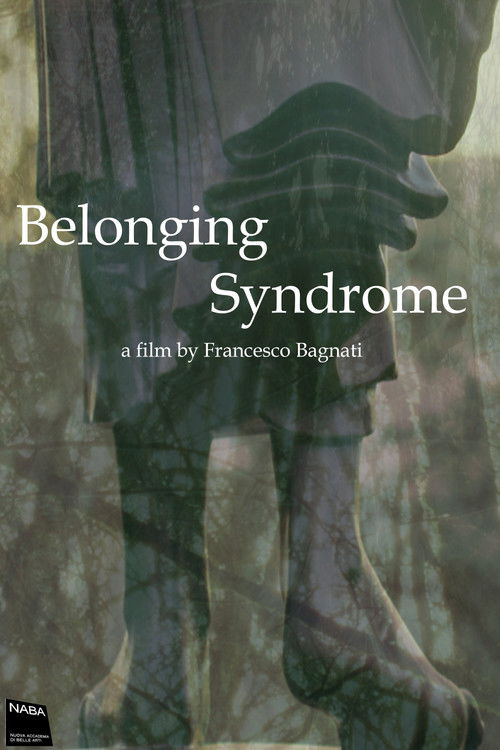
Belonging Syndrome is a short documentary that follows Duang, a second-generation Italian-Thai girl. Duang, during a period of stay in a monastery. Through her inner diary, the film explores a suspended phase of life: the one in which identity it is not yet defined and belonging becomes an open question. The monastery becomes the physical and symbolic place where Duang observes herself. Immersed in a daily life marked by rituals, silences and repeated gestures, the protagonist goes through an experience of deep listening, in which time slows down and perception is refined. Belonging Syndrome talks about hybrid identities, cultural legacies that coexist without completely merging, the difficulty and possibility of inhabiting multiple worlds without having to choose just one. It is an intimate and contemplative story about the search for balance in a fragile and open phase of existence.