Loading titles…
Documentary
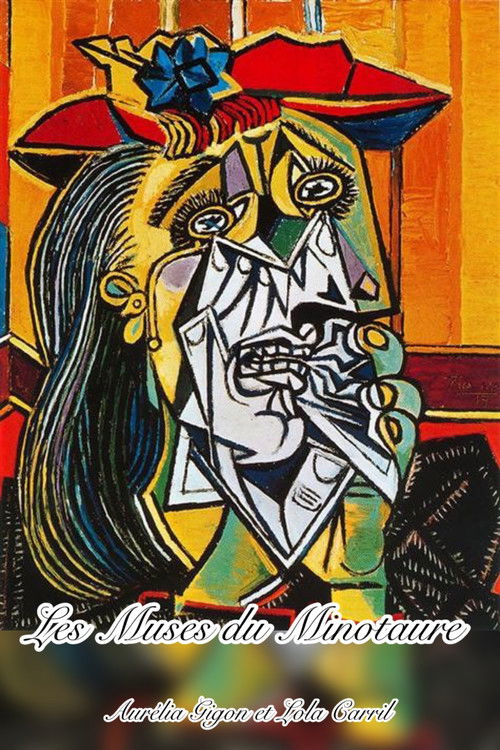
Women’s voices rise to deliver testimonies of victims of sexual violence. By reconstructing a story with these fragments of experience, a societal portrait is painted throughout the documentary. Like a mosaic, the pieces stick together to build a unique story that could belong…

No cast information available.
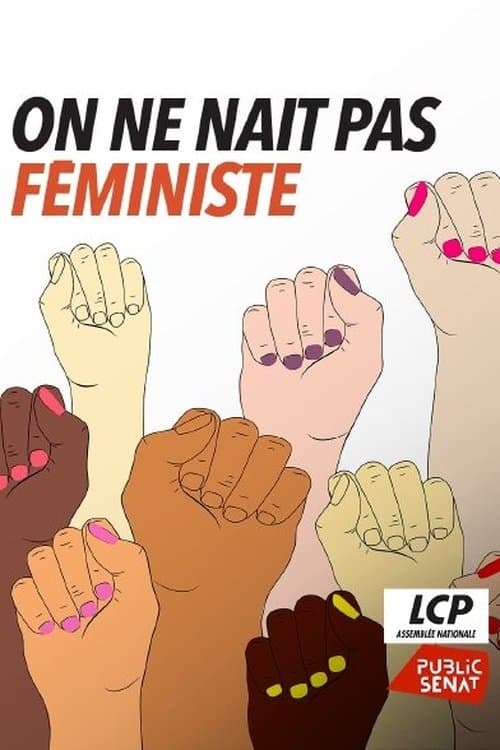
Discovering your womanhood at 33 when you're a feminist is like exploring a new continent as an adventurer. It sparks a desire to embark on a journey, to understand the world around us, to search for ourselves, over and over again. To engage in the new sexual revolution and trace the roots of sexism and gender, questioning whether sexual education in France can prevent future generations from the patriarchy. But are we ready to deconstruct everything?

After twelve years in exile, Syrian journalist and filmmaker Daham Alasaad returns to Homs, devastated by the war in Syria. Once the city of his childhood, it is now a relic of an authoritarian regime, where different communities (Sunnis, Christians, Alawites) are trying to rebuild their lives together after terrible years of division and destruction. Thanks to Daham Alasaad's close relationship with the city's inhabitants, the director highlights some very moving characters, torn between grief, fear, the need for justice, and the desire for peace and reconciliation. By opening up naturally to the camera, they allow viewers to experience what Syrians of all backgrounds are going through today. "Homs-Syria, Life After" is a personal and political investigation into the ability of this symbolic city to rebuild hope on the ruins of a Syria ravaged by more than fifteen years of war and facing an uncertain future.
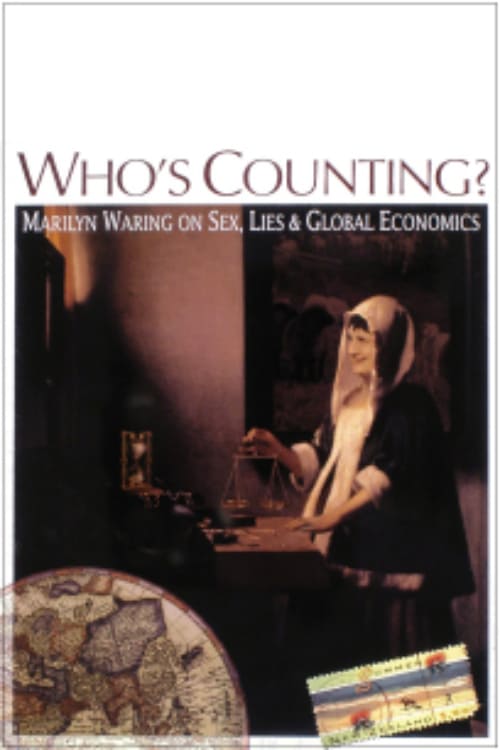
This documentary profiles economist and writer Marilyn Waring. In extensive interviews, Waring details her feminist approach to finances and challenges commonly accepted truths about the global economy. The filmmakers detail Waring's early rise to political prominence and her successful protests against nuclear arms. Waring also speaks candidly about wartime economies, suggesting that government policies tend to marginalize the fiscal contributions of women.
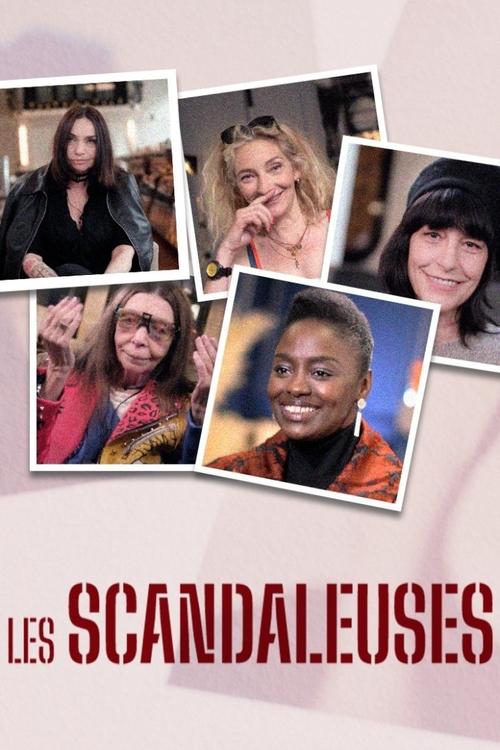
Béatrice Dalle, Lio, Brigitte Fontaine, Corinne Masiero, Aïssa Maïga, Virginie Despentes, Maria Schneider, Gisèle Halimi, Juliette Gréco, and Adèle Haenel—these women lived on their own terms, defying conventions and embracing lives often deemed "scandalous." Labeled frivolous, hysterical, or simply too free and too loud, they faced criticism yet used controversy as a force for change, challenging norms and advancing women's rights. This documentary retraces seventy years of their bold and unconventional journeys, telling the story of the fearless women who shaped history and fought for a more equal world.
Losing control of my body due to dysphoria and what society has taught me is the greatest loss I’ve ever experienced. A silent loss, a discreet theft. Now I sit in front of it, trying to seduce it, listen to it, feel it, look at it, touch it, move it, live it. I discover that this mutating body houses all my versions.
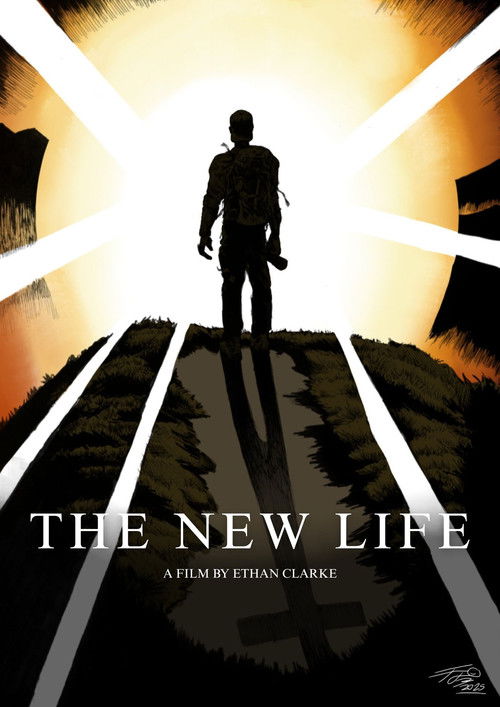
Travelling the French Alps at 17 while coming to terms with losing my dad. Exploring ideas of faith through difficult situations, and how bad times can bring out the good in our lives, documenting the journey after losing a parent to cancer and the importance of art and creativity in our lives. Using "The New Life" as a new way of defining grief, serving as the name given to the life we are forced to live after losing a loved one, and a christian name given to Heaven. It’s the similarity in all of our lives and the life that we go out of our way to live, in search of experiences, after it feels like all hope is lost. Why do we fall? It does, in fact, get better.
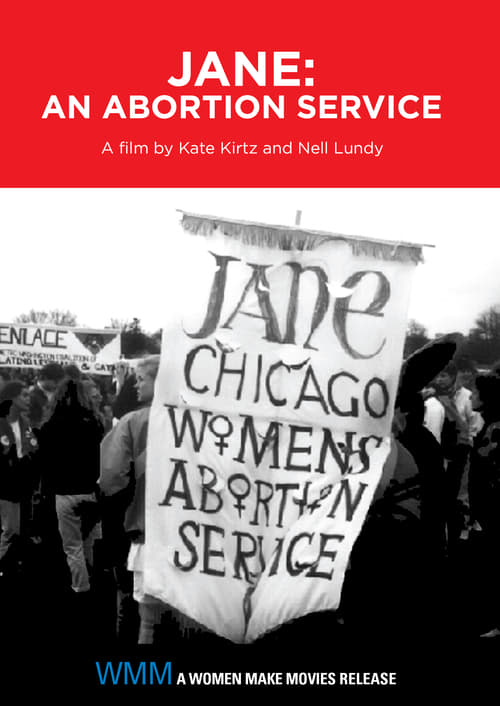
This fascinating political look at a little-known chapter in women's history tells the story of "Jane", the Chicago-based women's health group who performed nearly 12,000 safe illegal abortions between 1969 and 1973 with no formal medical training. As Jane members describe finding feminism and clients describe finding Jane, archival footage and recreations mingle to depict how the repression of the early sixties and social movements of the late sixties influenced this unique group. Both vital knowledge and meditation on the process of empowerment, Jane: An Abortion Service showcases the importance of preserving women's knowledge in the face of revisionist history. JANE: AN ABORTION SERVICE was funded by the Independent Television Service (ITVS) with funds provided by the Corporation for Public Broadcasting.
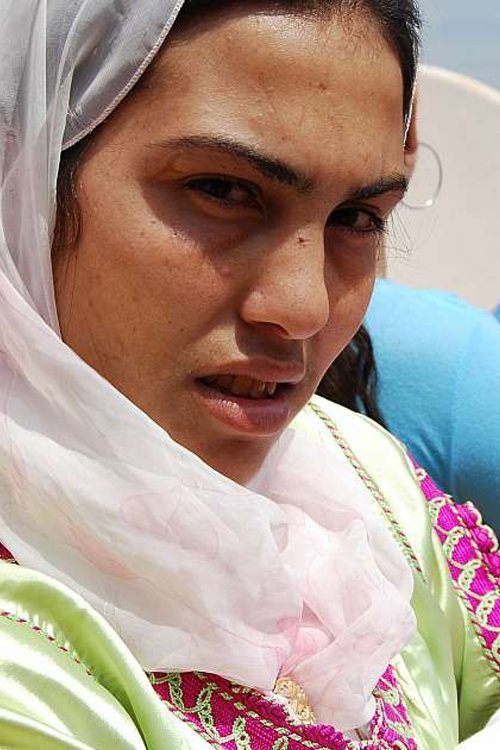
A film about a woman who doesn’t exist. Moroccan Hind was raped and consequently denied an official identity – she has no other choice but to work as a prostitute and traditional wedding dancer, but despite the odds of her situation, refuses to give up her dream of dignity, motherhood and love. This is a story of modern day outlaws, children of prostitutes, abandoned child brides and those who have had to escape to the fringes of patriarchal Moroccan society. Through the eyes of one young woman we see a life of constant struggle, but also a life free of the society’s norms and boundaries. The woman in the centre of the film, Hind, is both vulnerable and courageous as she tries to regain her life, her children and her mere right to live as an equal human being in the 21st century.