

Loading titles…

Polat Alemdar
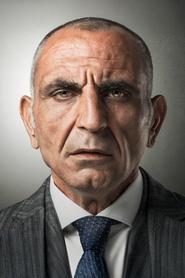
Memati Baş
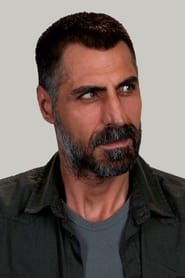
Abdülhey Çoban
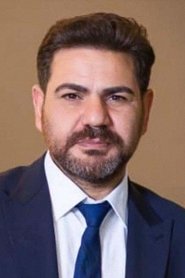
Erhan Ufuk

Leyla
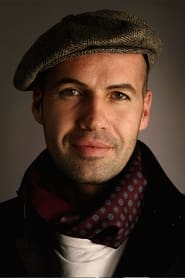
Sam William Marshall
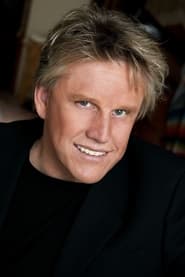
Doctor
Dante
Abdurrahman Halis Karuki
Kurdish Leader (Jihad Abdou)

Arab Leader (Abu Tarik)
Turkmen Leader (Hasan)
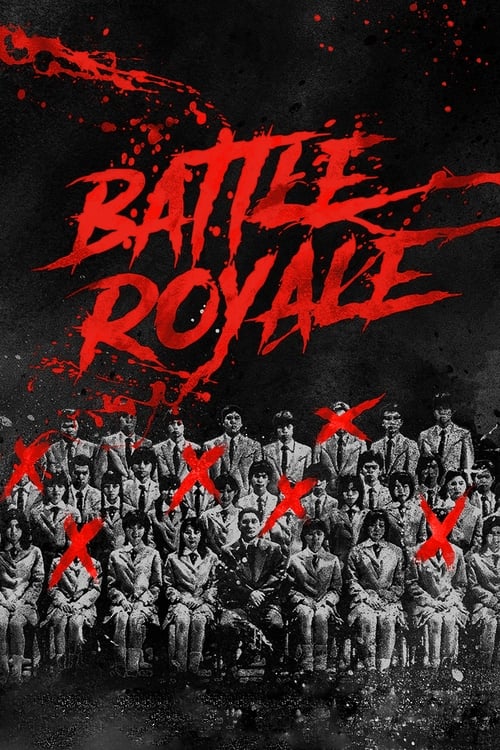
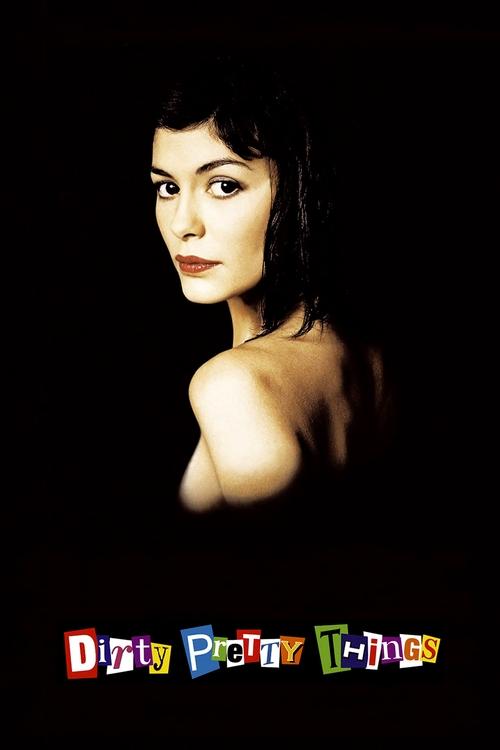
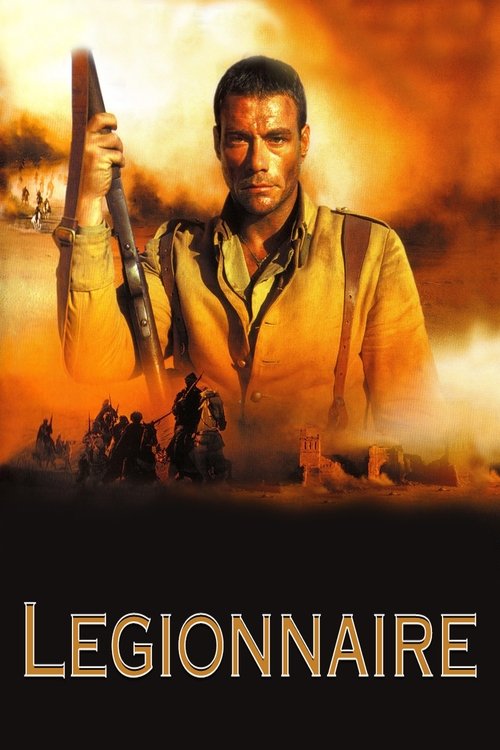
Alain Lefevre is a boxer paid by a Marseille mobster to take a dive. When he wins the fight he attempts to flee to America with the mobster's girlfriend Katrina. This plan fails and he seeks escape by joining the foreign legion. As part of the legion he tangles with abusive lieutenant Steinkampf and bonds with legionnaires Luther, Mackintosh and Rosetti.


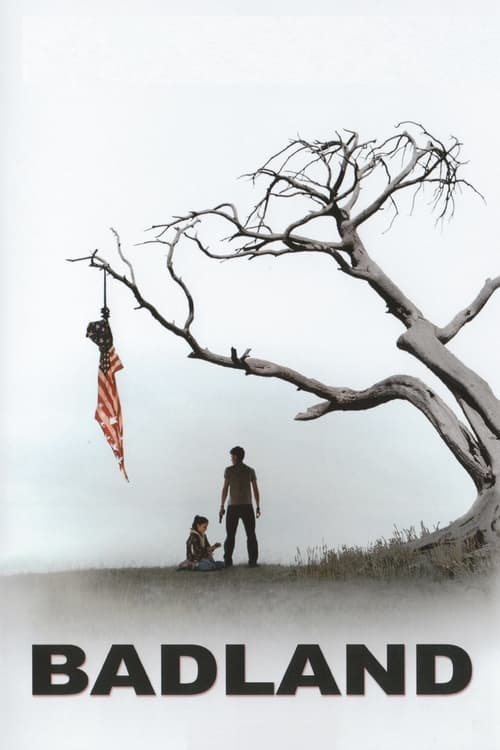
Jerry (Jamie Draven) was an idealist when he served in the first Gulf War. But when he was later deployed to Iraq, Jerry was an older man, a father of three and embittered by broken promises and unfulfilled desires. When Jerry returns from Iraq he has been transformed by horrors that cannot be forgiven. He lives a life of poverty, his children afraid of him and his wife, Nora (Vinessa Shaw), unsympathetic and unhappy. When Jerry discovers that Nora has betrayed him, his anger and despair drive him to commit an act so heinous and irreversible that nothing he had experienced in combat could have prepared him for.
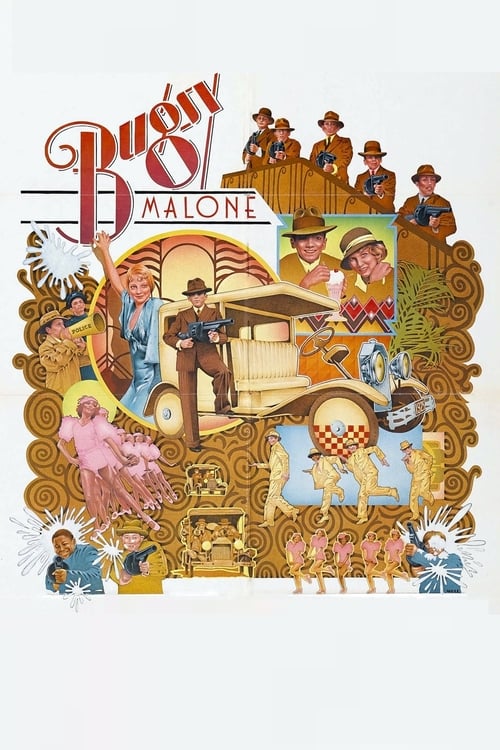
New York, 1929, a war rages between two rival gangsters, Fat Sam and Dandy Dan. Dan is in possession of a new and deadly weapon, the dreaded "splurge gun". As the custard pies fly, Bugsy Malone, an all-round nice guy, falls for Blousey Brown, a singer at Fat Sam's speakeasy. His designs on her are disrupted by the seductive songstress Tallulah who wants Bugsy for herself.
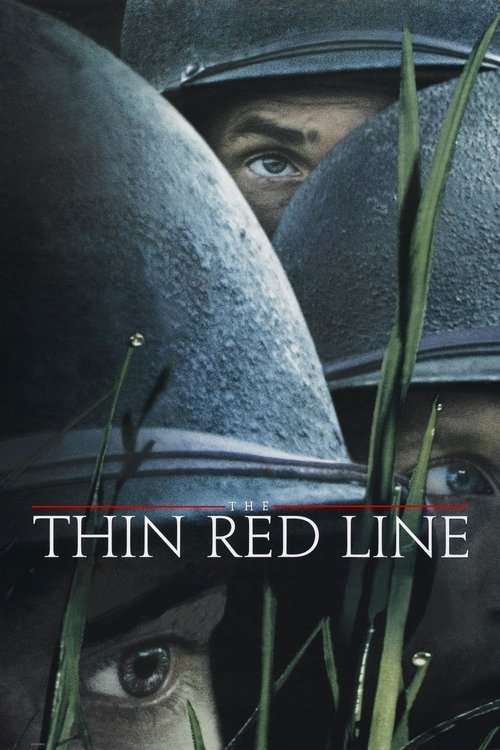
The story of a group of men, an Army Rifle company called C-for-Charlie, who change, suffer, and ultimately make essential discoveries about themselves during the fierce World War II battle of Guadalcanal. It follows their journey, from the surprise of an unopposed landing, through the bloody and exhausting battles that follow, to the ultimate departure of those who survived.
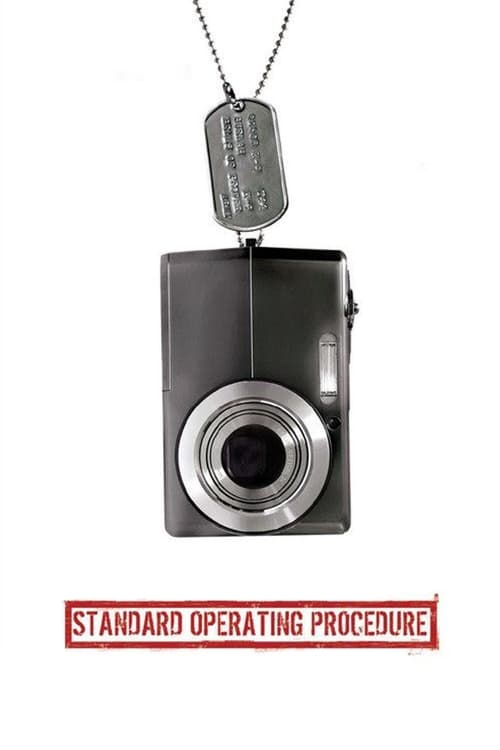
Investigating the infamous Abu Ghraib scandal, Errol Morris interviews American guards and Iraqi prisoners who were at the military jail before images of prisoner torture emerged in 2004. One female guard, who posed alongside fallen Iraqis in notorious images, tells Morris that her crimes were inspired by her love for another soldier, and another explains why she took photographs of her fellow troops. In the process, Morris suggests that the scandal resulted from systemic flaws in the military.
