Loading titles…
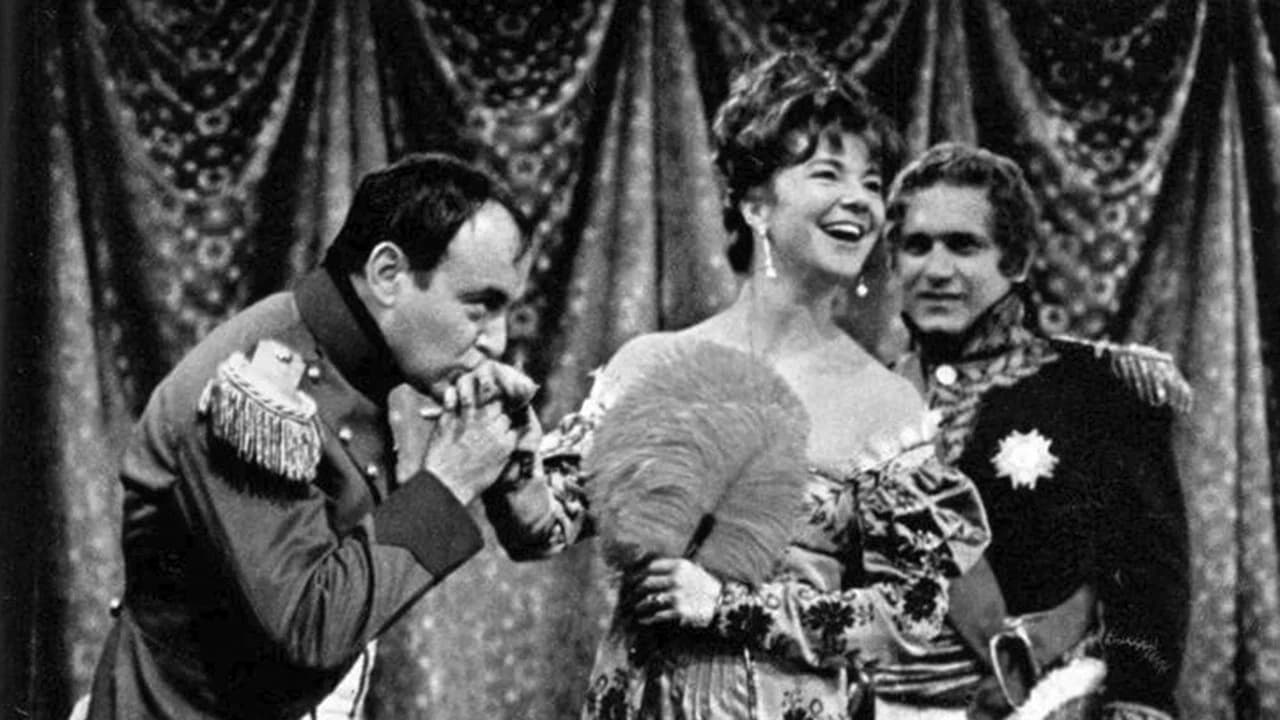
Catherine Hubscher (Madame Sans-Gêne)
Napoléon
Le Maréchal Lefebvre

Fouché

Neipperg

Throughout history, power has always fascinated. And above all, it has always aroused desires. It is by following the respective paths of two young graduates from the National School of Administration, Laurent and Brice, that one truly becomes aware of what the race for power implies. Between meteoric rise, low blows, ego and idea duels, it is important for our two protagonists to succeed in asserting themselves to survive in the political... and media jungle. Ultra-realistic, funny, and biting, discover the most surprising power comedy of recent years!

Tartuffe is a hypocritical impostor who manages to manipulate Orgon, a wealthy widowed bourgeois, by feigning devotion. Orgon ends up offering his daughter Mariane in marriage to Tartuffe, while he disowns his son Damis and intends to donate all his possessions to Tartuffe. Elmire, Orgon's young wife, whom Tartuffe is courting, will attempt to expose him, while the royal family intervenes to prevent the ruin of Orgon's family.
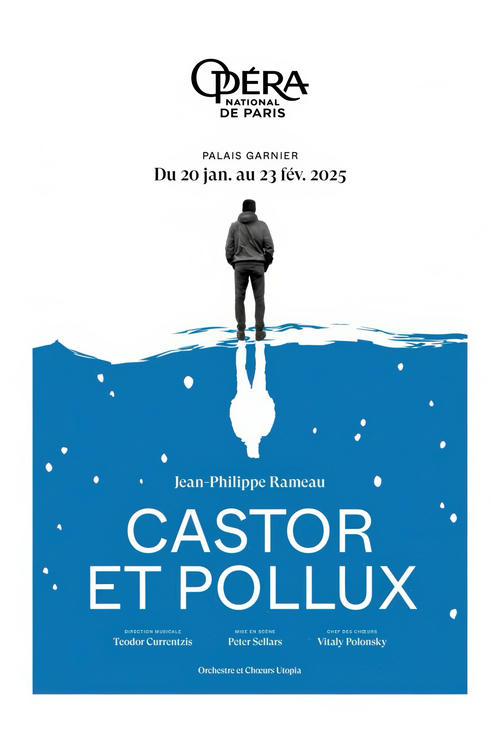
A return to its roots for Castor et Pollux, Jean-Philippe Rameau’s lyric tragedy first performed in 1737 at the Académie royale and inspired by the mythological episode of the Gemini. Rarely performed in its original version – the score was reworked by Rameau himself in 1754 –, this daring work plays on contrasts and expressiveness, as in the famous “Tristes apprêts”. The aria is sung by Télaïre mourning the death of her fiancé Castor, killed in battle, before his twin brother Pollux descends into the Underworld to ask his father, Jupiter, to bring him back to life. While this opera celebrates brotherly love, its prologue poses an essential question for director Peter Sellars: how do you stop a war and its attendant hatred and resentment?