
Loading titles…
Documentary
Muzafer Bislim comes up with some of his most insightful songs while sitting on the floor, recording lyrics into a cassette recorder bought at a flea market. A poet and songwriter who collaborates with the biggest names in Romani music, the 54-year old lives a life of modest…
Cast
A Roma beggar on his knees raises many extreme emotions: guilt, rage, sympathy and frustration. Most people just walk on by, but there is always someone willing to help. In this film, the director follows the confrontations between the Roma beggars from Romania and Finnish people, and is forced to question, over and over again, her own ideas about helping.
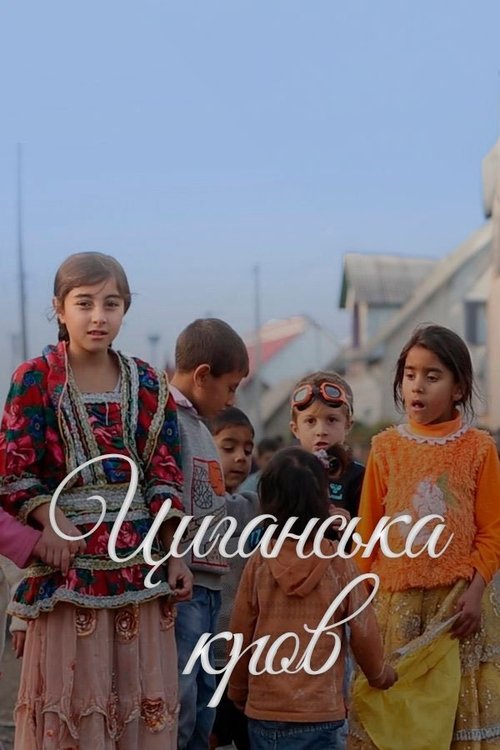
Roma are an important part of Ukraine's population. There are quite a large number of them living in the country—between fifty and one hundred thousand. This documentary shows the peculiarities of the Gypsy people's life in modern society. You will see the stories of five Gypsy barons who will talk about the traditions of their people and reveal some secrets that were previously known only to the Roma.
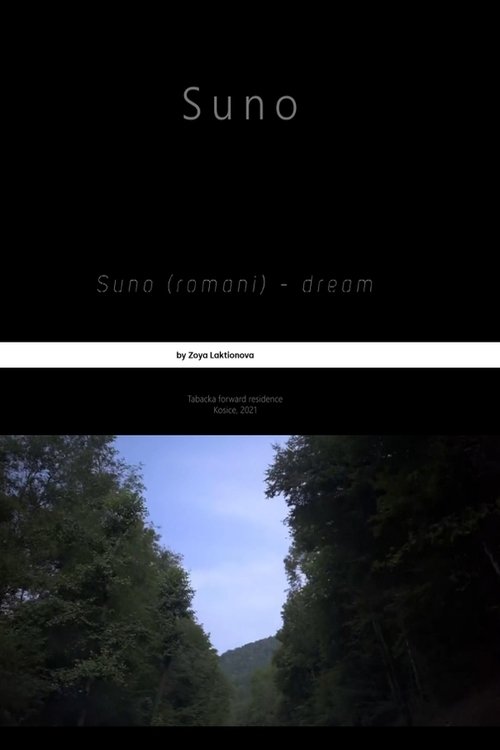
An experimental short documentary essay about the dreams of Roma women living in the ghetto in Kosice. Roma are one of the largest ethnic groups living in Slovakia. Despite this, integration into all spheres of society is difficult. And it should be noted that this applies not only to Slovakia. Luník IX houses the largest community of Romani people in Slovakia. Although originally built for 2,500 inhabitants, it is estimated that the population is now three times larger. Living standards are low, with services such as gas, water, and electricity cut off, as the majority of inhabitants are not paying rent or utilities fees.

In the suburbs of Montpellier, France, in the spring of 2024, a Roma wedding celebration is about to begin. In the bedroom of a small apartment, Luisa and her cousins meet up to talk about their dreams, their traditions, and their desire for emancipation. The ritual of flamenco dancing became for Luisa a space of freedom.
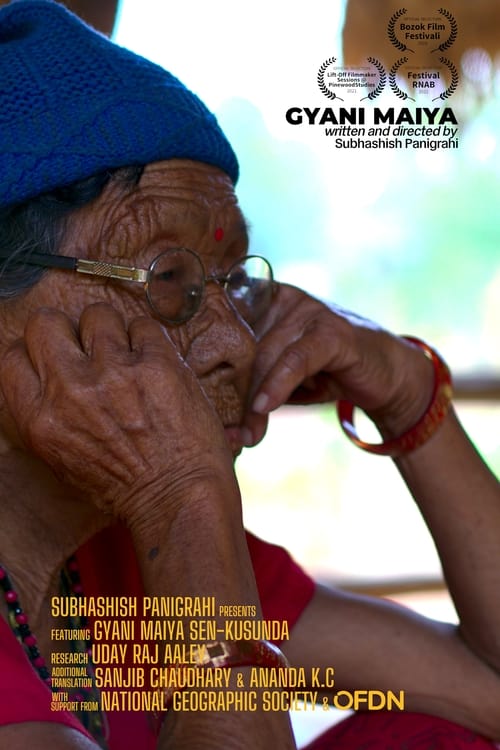
“We left our language and started speaking others’. The girls have got married and have left for the villages. Boys are getting married in villages. It should be taught to children”. — Gyani Maiya Sen-Kusunda The Gi Mihaq (also known as Kusunda) was a semi-nomadic hunter and gatherer community that settled in villages around the mid-western Nepalese district of Dang. They have long lost their native language Mihaq (Kusunda), to acculturation and other barriers to active use. The community also lost their 83-year-old elder Gyani Maiya Sen-Kusunda in 2020, the most and the only known fluent Kusunda speaker then. Filmed in Kulmor in the Dang District in 2018, this openly-licensed documentary is a memoir of Sen-Kusunda in her own words and a biography of her people who were forced to leave their language and cultural identity. Kusunda is being revived by Kamala Sen Khatri, Sen-Kusunda’s younger sister, and Uday Raj Aaley, a local researcher who is the key interviewer for this film.
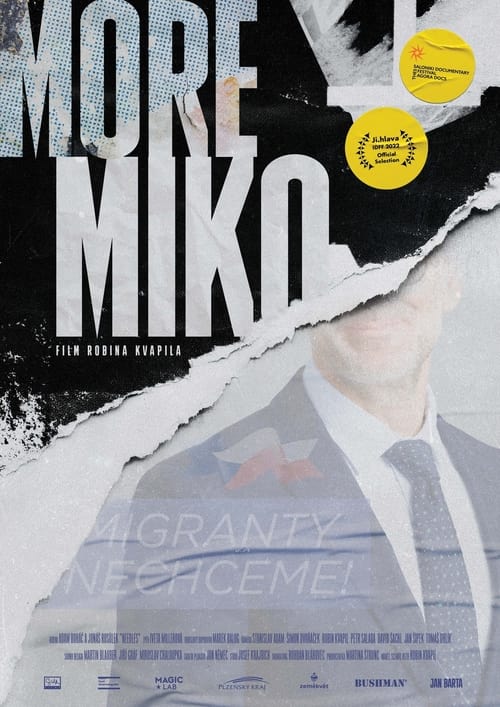
Miko is a truck driver, his father is Romani, and above all he is a man who wanted to help those in need. When the Czech government was looking for reasons not to take in a few dozen children from Greek refugee camps after the chemical attacks on Syrian civilians in 2018, Miko took justice into his own hands and, together with the Czechs Helping initiative, prepared facilities for child refugees. However, government officials gave priority to political interests. Will parliamentary elections and a change of ministries save the situation? An unflattering but accurately portrayal of the Czech Republic as a country that will only offer a helping hand when it is worthwhile.
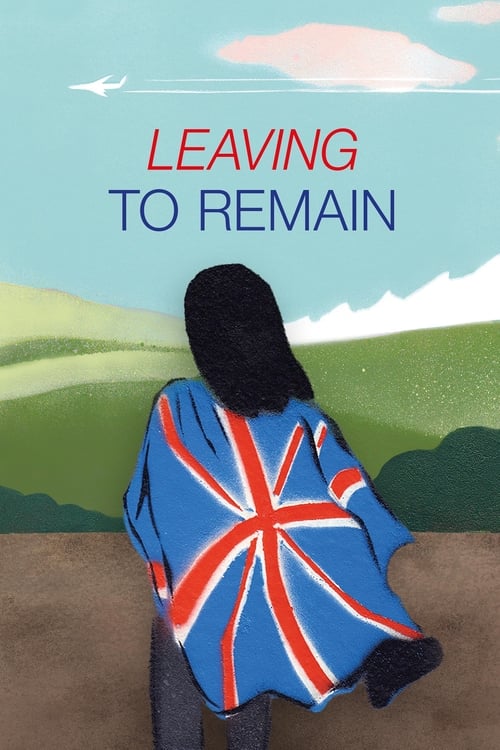
With the UK’s hardening immigration policy in the background, director Mira Erdevički follows the lives of three Roma: Petr Torák, Denisa Gannon and Ondrej Oláh. Settled in the UK over 20 years ago, the trio still feel attached to their native Slovakia and the Czech Republic. As the country goes into lockdown, they film their lives throughout the Covid pandemic and the aftermath of Brexit.
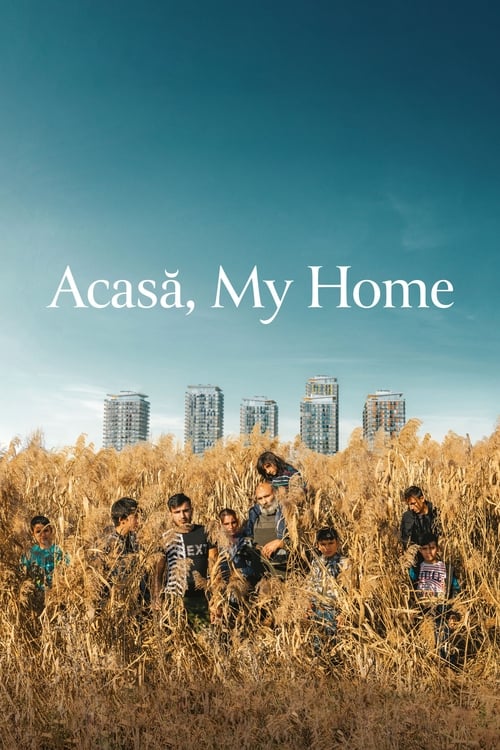
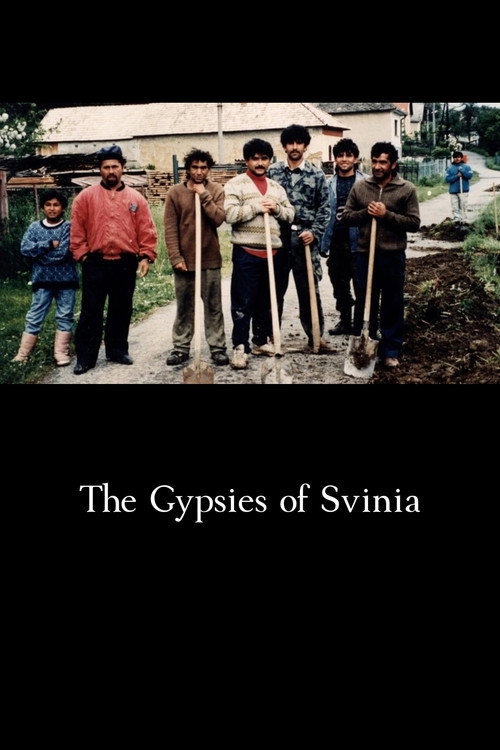
Moved by a sense of outrage, David Scheffel, a Canadian anthropologist, is determined to help the impoverished Roma (Gypsies) rebuild their community in the eastern Slovakian village of Svinia. So-called “white” Svinia is a picturesque, typical Slovak village with well-kept homes, gardens, a store and a school. Some 300 metres past the last home is “black” Svinia, where the Roma live in squalid tenement blocks and one-room huts of sticks and mud-with no clean water or sewage facilities and with little hope of employment. Many Svinians, whose homes and gardens are regularly burglarized by the desperate Roma, have lost all patience and sympathy. Throughout Eastern Europe, the painful transition from communism to democracy has relegated the Roma to the farthest, most grotesque margins of society. The Gypsies of Svinia is a testament to the firm resolve of Scheffel and the Roma to make things better.