Loading titles…
Documentary
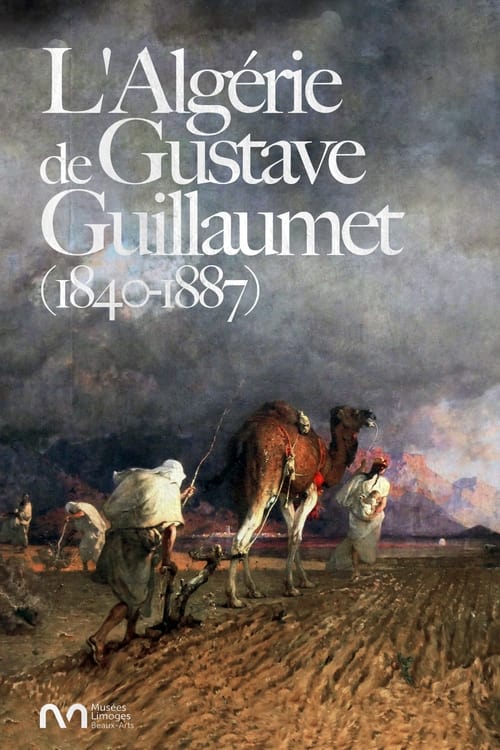
Born on March 25, 1840, Gustave Guillaumet discovered Algeria by chance when he was about to embark for Italy. Over the course of his ten or eleven trips and extended stays, he established a familiarity with this space. Traveling through the different regions from north to…
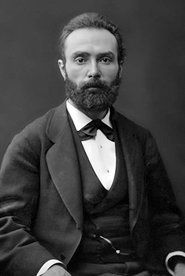
Painter
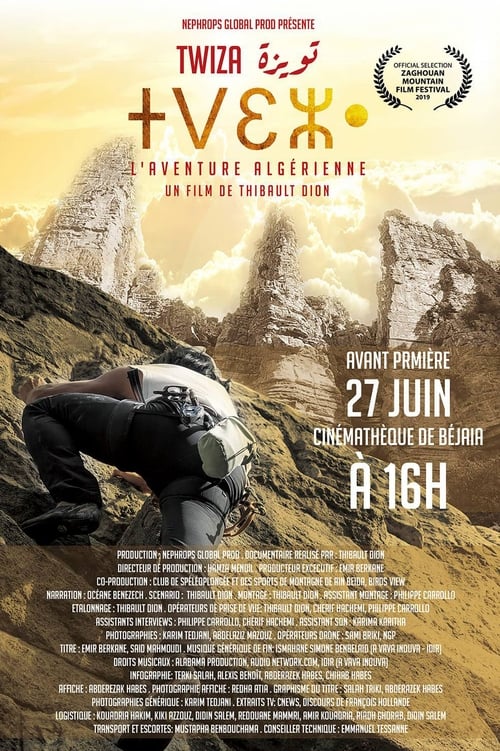
In Tamazight culture, "Twïza" symbolizes a gathering for sharing and mutual support. This is precisely what Thibault Dion's film explores – January 2019 – as five French climbers land at Constantine airport. While they initially thought they would simply be opening climbing routes in eastern Algeria, this group of climbers from Grenoble discovers much more. Their initial apprehension about exploring this isolated region, coupled with the warm welcome, good humor, and rich culture, transforms their journey into an unexpected human adventure. Fabulous landscapes, thrilling experiences, unforgettable moments, smiles – beyond borders, in the land of friendship and hospitality... Algeria.
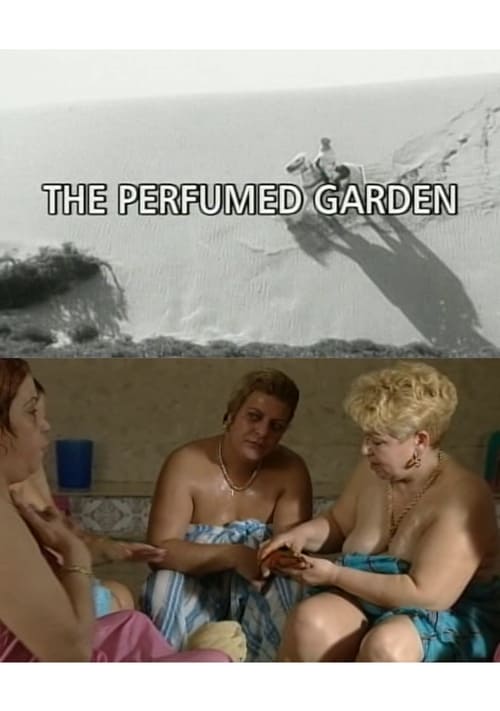
THE PERFUMED GARDEN is an exploration of the myths and realities of sensuality and sexuality in Arab society, a world of taboos and of erotic literature. Through interviews with men and women of all ages, classes, and sexual orientation, the film lifts a corner of the veil that usually shrouds discussion of this subject in the Arab world. Made by an Algerian-French woman director, the film begins by looking at the record of a more permissive history, and ends with the experiences of contemporary lovers from mixed backgrounds. It examines the personal issues raised by the desire for pleasure, amidst societal pressures for chastity and virginity. The film discusses pre-marital sex, courtship and marriage, familial pressures, private vs. public spaces, social taboos (and the desire to break them), and issues of language.

Seekers of Oblivion explores the exciting life and adventures of Isabelle Eberhardt. Born in Geneva, Switzerland in 1877, Isabelle left Europe for North Africa at a young age. While there, she consorted with tramps, prostitutes, soldiers, murderers and thieves, at times masquerading as a man in orde.
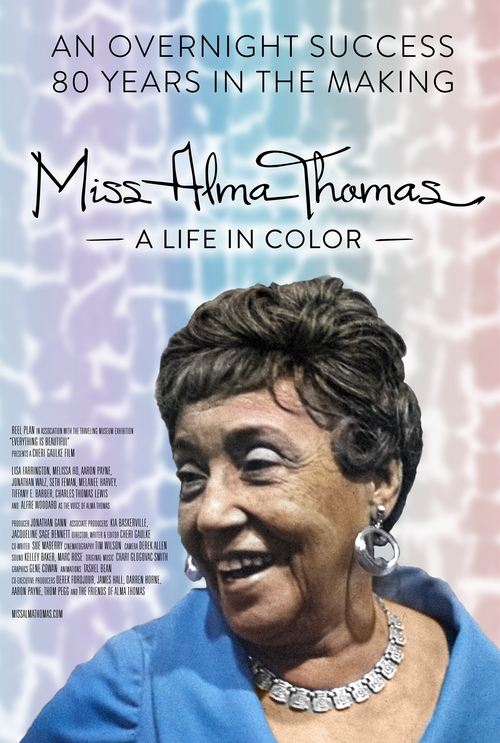
Alma W. Thomas lived a life of firsts: the first Fine Arts graduate of Howard University (1924), the first Black woman to mount a retrospective at the Whitney Museum of American Art (1972), and the first Black woman to have her paintings exhibited in the White House (2009). Yet she did not receive national attention until she was 80.
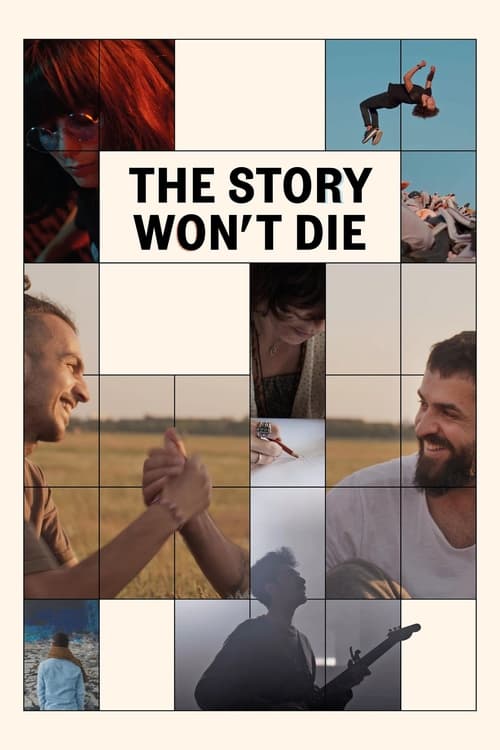
THE STORY WON’T DIE, from Award-winning filmmaker David Henry Gerson, is an inspiring, timely look at a young generation of Syrian artists who use their work to protest and process what is currently the world’s largest and longest ongoing displacement of people since WWII. The film is produced by Sundance Award-winner Odessa Rae (Navalny). Rapper Abu Hajar, together with other creative personalities of the Syrian uprising, a post-Rock musician (Anas Maghrebi), members of the first all-female Syrian rock band (Bahila Hijazi + Lynn Mayya), break-dancer (Bboy Shadow), choreographer (Medhat Aldaabal), and visual artists (Tammam Azzam, Omar Imam + Diala Brisly), use their art to rise in revolution and endure in exile in this new documentary reflecting on a battle for peace, justice and freedom of expression. It is an uplifting and humanizing look at what it means to be a refugee in today’s world and offers inspiring and hopeful vantages on a creative response to the chaos of war.
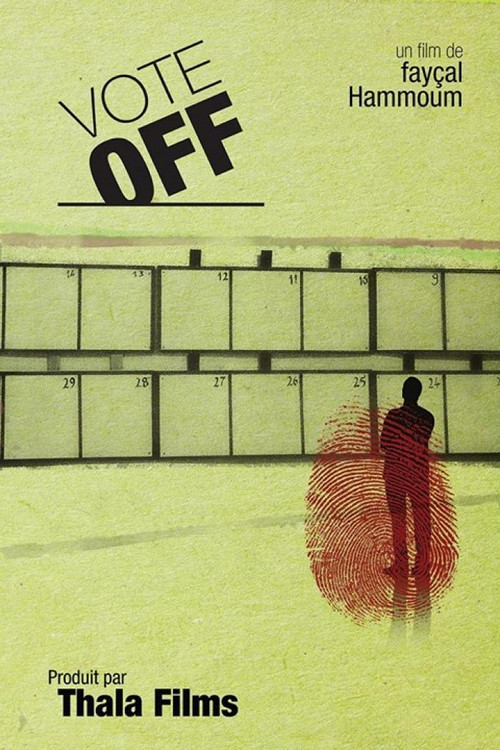
Fayçal Hammoum recounts the 2014 presidential election through non-voting inhabitants of Algiers who, like him, are in their thirties. Be it Bilel, a grocer by default exposed to his customers’ political babbling, or the more politically-charged comments of Younes, a militant FM radio journalist opposed to President Bouteflika’s fourth term, the variety of conversational scenes in no way changes the determination not to vote for an old man who has been invisible for almost two years. The rappers Omar and Brahim are as bereft of hope and voter’s cards as the Tellek webradio DJ, since “the match is fixed”. Moving away from his focus on this subject to film their daily life, the filmmaker draws the portrait of a generation who, as Bilal says with poignant simplicity, “just wants to live
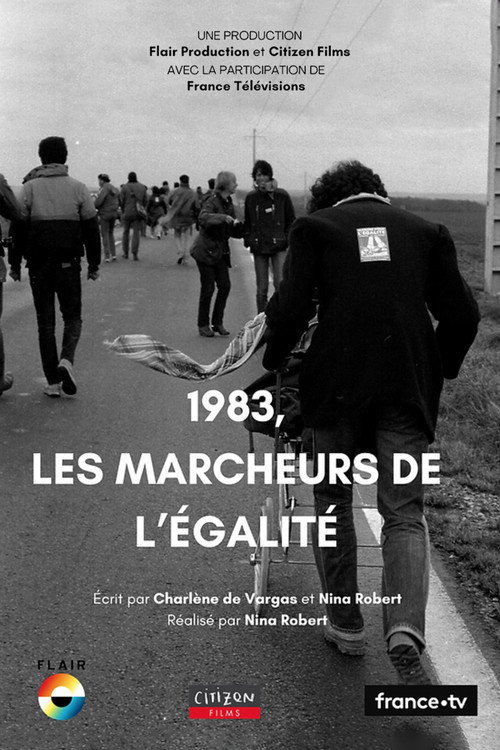
In the 1980s, young people of North African descent born in France and a priest from the Lyon suburbs organized the "March of the Beurs." Launched on October 15, 1983, by seventeen people from the La Cayolle neighborhood in Marseille following a racist crime, the march concluded two months later—on December 3—on the streets of Paris, with 100,000 participants. This movement demanded equal rights. Was their cry heard?

In 1964, Algeria, just two years after the end of the war of independence, found itself catapulted into new contradictions, a still rural territory which responded to the modernity brought by the revolution. Filmed during the winter of 1964-1965 by the young director Ennio Lorenzini, it is the first international Algerian production which paints a rare portrait in color of a multifaceted nation, far from the simplistic vision created by the press and the French army. Produced by Casbah Film, Les Mains Libres (initially titled Tronc De Figuier) bears witness to the stigmata of colonization and the future of free Algeria throughout the Algerian territory and reveals the richness of its landscapes and the diversity of its traditions . The documentary, using the aesthetics of militant cinema of the time, is made up of four scenes: Sea and Desert, The Struggle, The Earth, Freedom.