
Loading titles…
No cast information available.
Archival footage, photos, news clips, and interviews combine to offer a comprehensive overview of the clean-cut, buttoned-down singing youth group that attempted to change the world in the riotous 1960s. A true cultural phenomenon, Up with People performed in 47 languages to a global audience that included popes and kings; they even performed at the Super Bowl half-time show. As former members offer heartfelt reflections on their time with Up with People and what the group really mean to them personally, the viewer is presented with a thought-provoking glimpse into the cultural underbelly of politics, cults, and money.

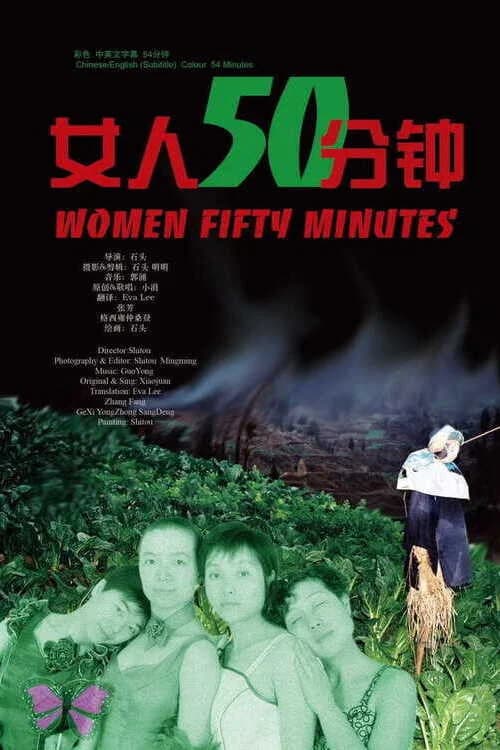
A representation of queer and feminist imagery that was mainly shot in the Qinghai-Tibetan Plateau, remote and developing areas in southwest China, and metropolitan cities like Beijing from 2000 to 2004 to document the social changes in contemporary China. The director sympathetically and erotically represents a variety of women, including women as laborers, women as prayers, women in the ground, women in marriage, and women who lie on the funeral pyre with their dead husbands. Her camera juxtaposes the mountains and rivers in old times, the commercialized handicrafts as exposition, the capital exploitation of the elders’ living space, and the erotic freedom of the young people in a changing city.

An effervescent facilitator and mother figure, Multicultural Liaison Officer Rosemary is undoubtedly a force of nature. Isolation in Auburn’s migrant community is a huge obstacle, and cultural norms mean that women are often tied to the house or a limited locale. Rosemary, with her larger-than-life spirit and generosity, works tirelessly to draw the women out of their homes and into society. She hosts a lively African Women’s Dinner Dance and takes them on a trip to the Blue Mountains and the NSW South Coast – introducing them to an Australia they’ve never seen before.


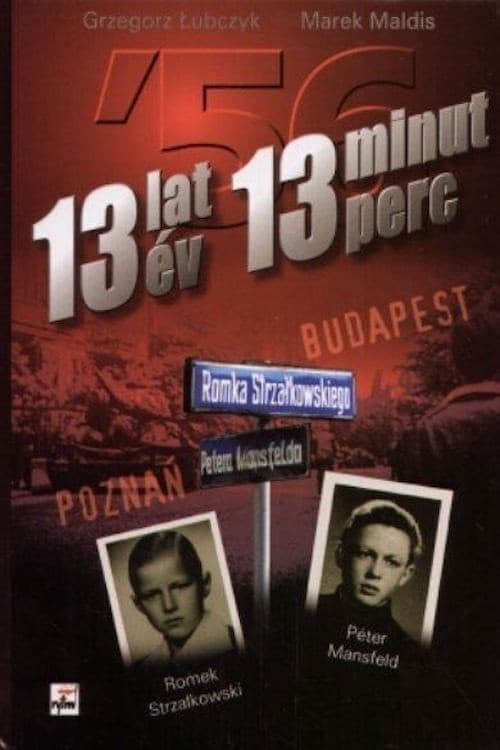
A story of two boys caught up in the turmoil of the dramatic events of 1956 in Central Europe. At 13, Romek Strzalkowski was the youngest victim of the first workers' rebellion against Communist authorities in Poland. During "Black Thursday" on June 26, he was killed protesting near the UB political police headquarters. Peter Mansfeld was the youngest victim of post-revolt Communist reprisals in Hungary. As a 15-year-old he took part in the Budapest fighting. After the revolution had been quelled by the Soviet army in 1956, he did not give up; he was arrested in 1959 and sentenced to death. Because of the Communists' cruelty, it took as long as 13 minutes for Peter to die, "like Jesus Christ on the cross," said his Hungarian biographer. The filmmakers analyze the importance of the legend about the two boys who fought against Communism in Poland and Hungary.

