Loading titles…
No cast information available.
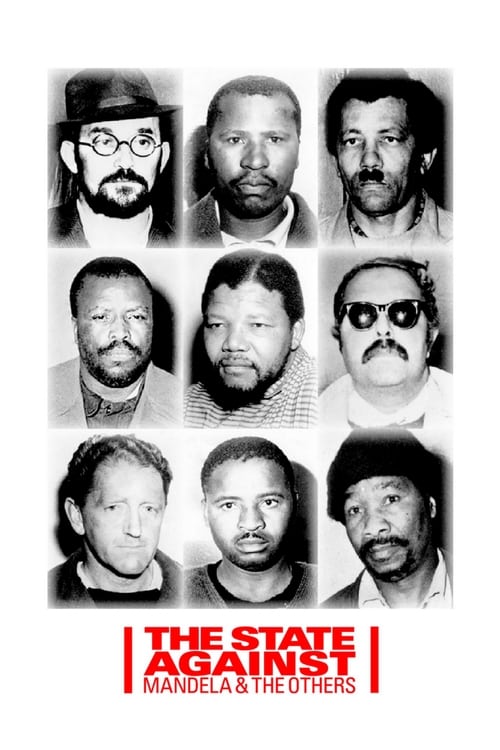
South Africa, July 11th, 1963. Several members of the African National Congress, an organization declared illegal, are arrested in Rivonia, a country house near Johannesburg. The detainees, along with Nelson Mandela, imprisoned since 1962, are charged with serious crimes for their radical activism against the apartheid regime.
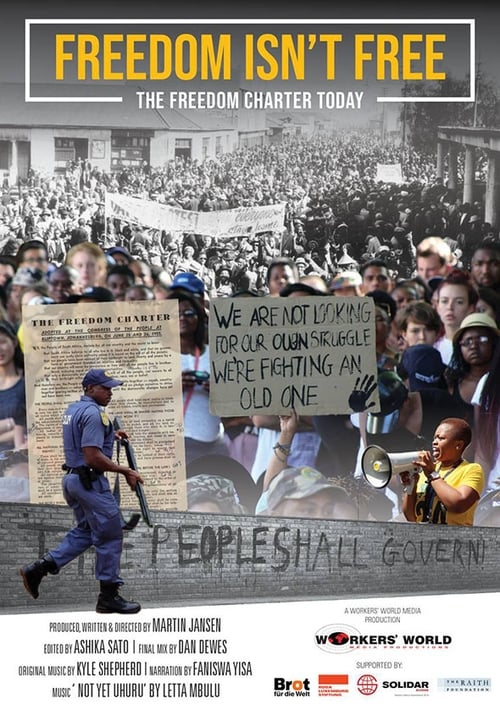
Since its adoption in June 1955 by the Congress movement, the Freedom Charter has been the key political document that acted as a beacon and source of inspiration in the liberation struggle against Apartheid. It was reputedly the main source that informed democratic South Africa’s liberal constitution and a constant reference point for the ruling African National Congress (ANC) and rival political parties that it spawned since 1994, all claiming the Freedom Charter’s legacy. Freedom Isn’t Free assesses the history and role of the charter, especially in relation to key political and socio-economic aspects of developments in South Africa up to the present period. It includes rare archival footage with interviews of a cross-section of outspoken influential South Africans.
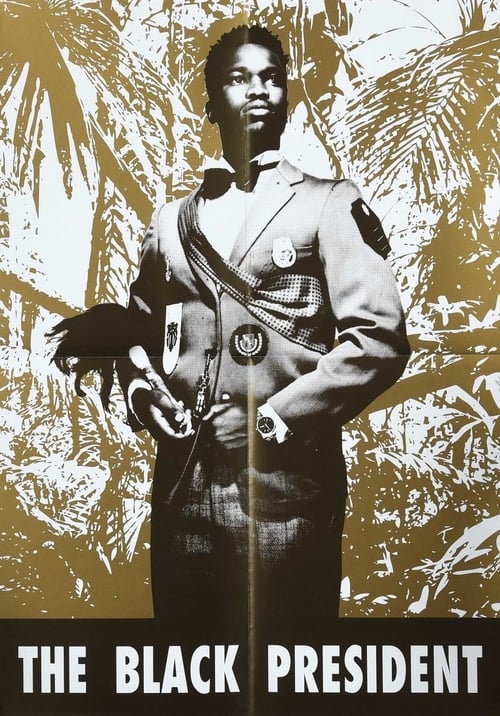
Exiled, yet internationally celebrated Zimbabwean artist Kudzanai Chiurai's demons come to life as he tries to flee South Africa following increasingly fractious experiences on the Johannesburg art scene. His greatest demon “Black Guilt” is one he can never shake off, this burden of having to speak for his people. But Is this responsibility really a burden at all, or is it actually a superpower? Either way, will Kudzi ever be President of His Own State of Being?
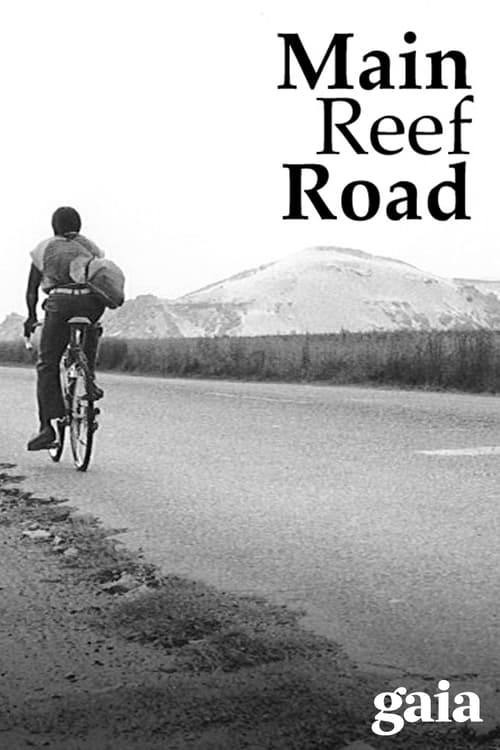
Since the days of Apartheid, Main Reef Road has linked Johannesburg, its suburbs, and the outlying villages and gold mines of the region. Now the people of means flee the more remote reaches of the Road for the suburbs. Who remains along this once heavily travelled highway? Who slaves for the mining companies today? Filmmaker Nic Hofmeyr takes to the road to meet them. South Africa's history echoes in their stories, and in the very landscape.
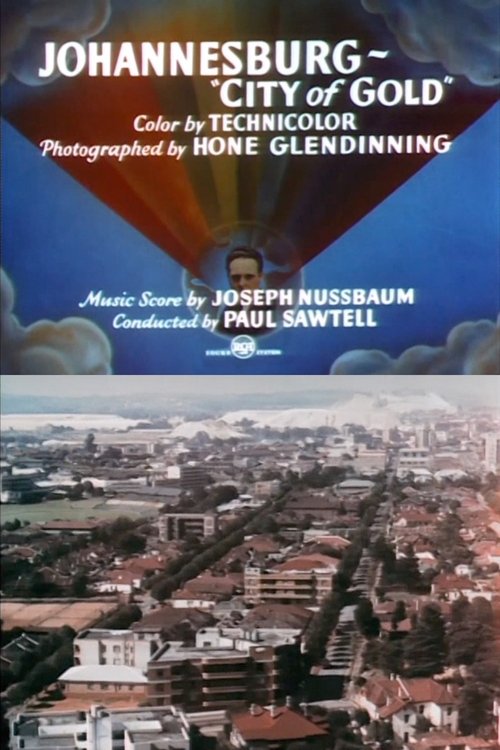
This Traveltalk series short discusses how Johannesburg began as a farming community, but with the discovery of gold in the area, the city embraced mining as its primary industry. Native workers came to the area to train to be miners, and even after their work in the mines ended, many decided to remain in Johannesburg. The natives' music and dance are highlights.