Loading titles…
No cast information available.
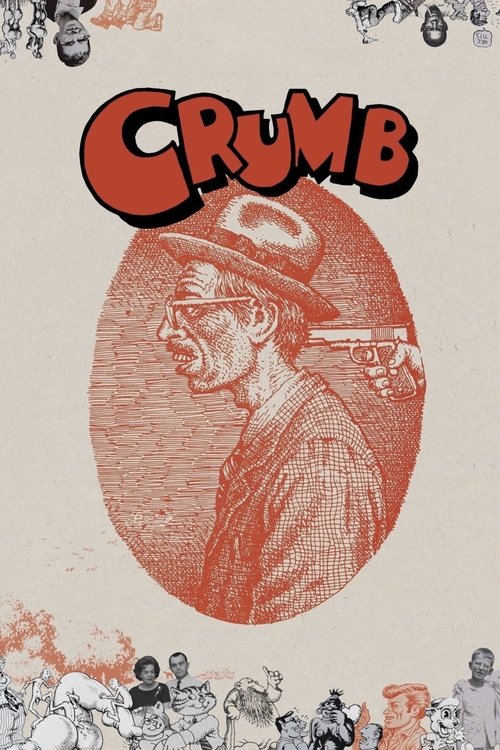
This movie chronicles the life and times of R. Crumb. Robert Crumb is the cartoonist/artist who drew Keep On Truckin', Fritz the Cat, and played a major pioneering role in the genesis of underground comix. Through interviews with his mother, two brothers, wife, ex-wife and ex-girlfriends, as well as selections from his vast quantity of graphic art, we are treated to a darkly comic ride through one man's subconscious mind.

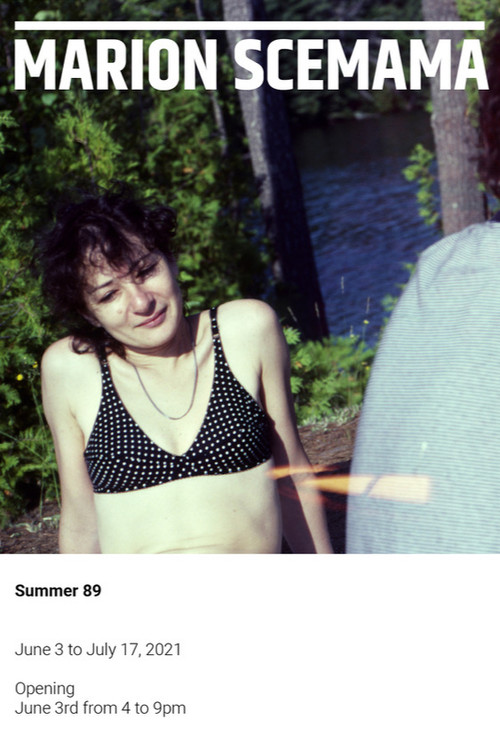
In the summer of 1989 Marion, David and François Pain took a camera with them to the Adirondacks lakes region of New York State. Passing it from hand to hand they captured a video diary of a vacation spent together in freedom, creativity, love and melancholy. "Every day, the group filmed each other, experimenting with spontaneous, intimate moments. The camera moves between them, emotions are exchanged along with it. More than just documentation, the film reveals the way they looked at each other, created together, and made space for one another —friendship and collaboration as a tender, furious act of witnessing. David Wojnarowicz had known since 1988 that he had AIDS. In Summer 89, Marion’s eye is that of a friend, imbuing David’s gestures with memory of the love and friendship they shared." ~ Christina Demetriou
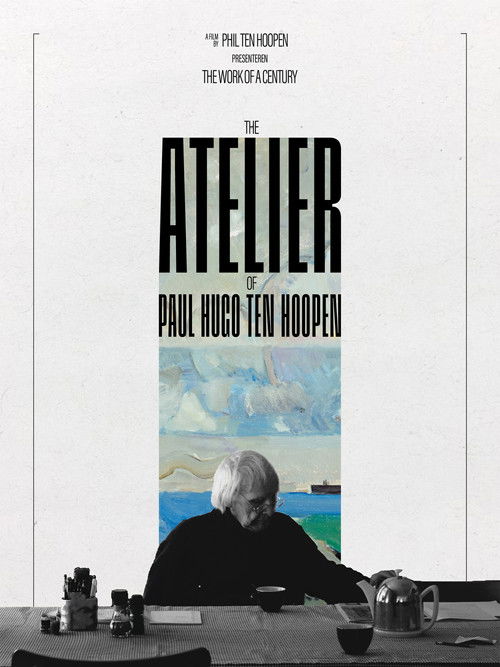
Paul Hugo ten Hoopen, the 98-year-old Amsterdam painter, delves into his childhood, education, and past artworks, while exploring his philosophy on the creation of art itself. Paul’s story brings out the perspective of a professional in his field. He urges new artists to find their own voice – their own colours – to be as original as possible.
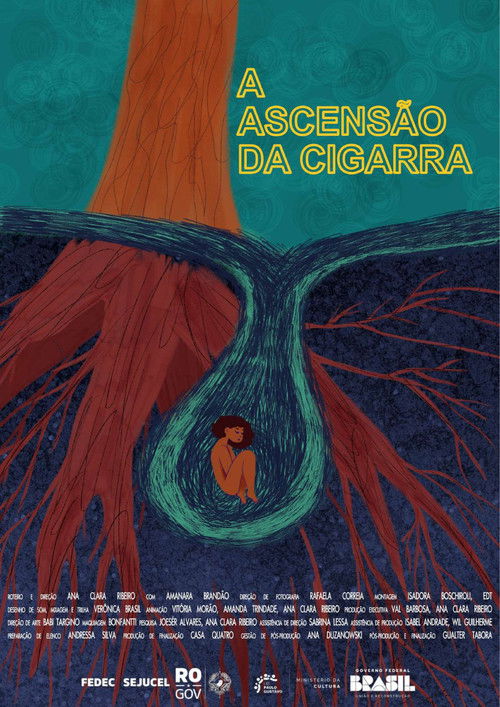
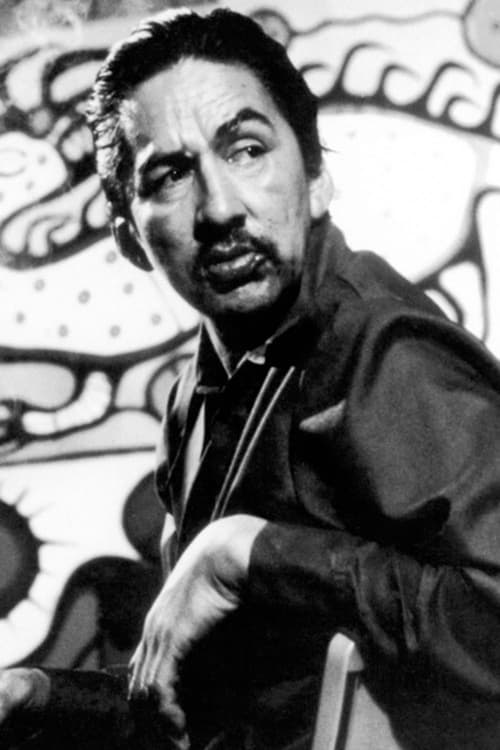
In this revealing study of Norval Morrisseau, filmed as he works among the lakes and woodlands of his ancestors, we see a remarkable Indigenous artist who emerged from a life of obscurity in the North American bush to become one of Canada's most renowned painters. Morrisseau the man is much like his paintings: vital and passionate, torn between his Ojibway heritage and the influences of the white man's world.
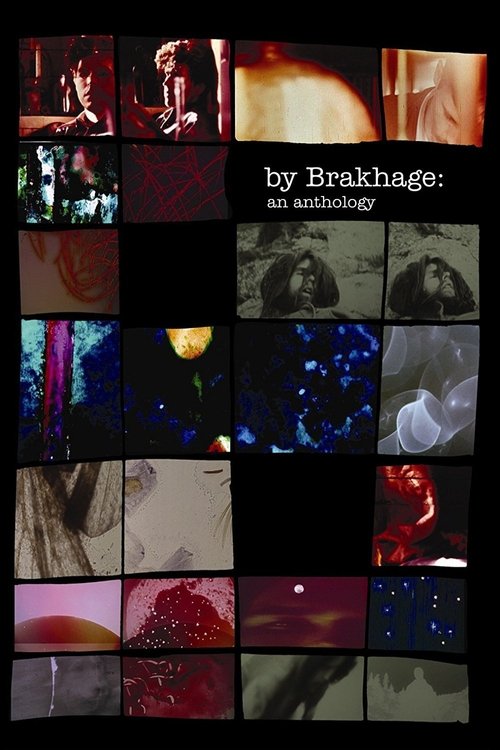
Working completely outside the mainstream, the wildly prolific, visionary Stan Brakhage made more than 350 films over a half century. Challenging all taboos in his exploration of “birth, sex, death, and the search for God,” he has turned his camera on explicit lovemaking, childbirth, even autopsy. Many of his most famous works pursue the nature of vision itself and transcend the act of filming. Some, including the legendary Mothlight, were made without using a camera at all, as he pioneered the art of making images directly on film, by drawing, painting, and scratching.