


Loading titles…
No cast information available.

8-year-old Aaron Averhart was just a year shy of being able to move up from Cub Scout to Boy Scout when he received a special request from an admired Boy Scout leader, William (Bill) Sheehan. As Aaron rose up the Boy Scout ranks, he slowly became aware of Sheehan’s grooming techniques and began to realize he had much more sinister intentions in store for him. If Aaron’s parents had known that since the 1920s the Boy Scouts of America had been keeping hidden files on dangerous pedophiles in their ranks while failing to warn the public, the police, the scouts, their parents, or even fully removing them from the Boy Scouts program, they would have never allowed young Aaron to be part of such a complicit and corrupt organization.

OBAIDA, a short film by Matthew Cassel, explores a Palestinian child’s experience of Israeli military arrest. Each year, some 700 Palestinian children undergo military detention in a system where ill-treatment is widespread and institutionalized. For these young detainees, few rights are guaranteed, even on paper. After release, the experience of detention continues to shape and mark former child prisoners’ path forward.
The four adult heroes and heroines of the film, who were selected in a casting call posted on TV, speak candidly on camera from the very beginning of their memories. Through individual stories, they describe their childhoods, family backgrounds, life at school, and how they spent their free time. The stories complement each other and are intertwined; we see emotions and hear things that reveal the horrific DNA of domestic violence. The documentary addresses the issue of abuse with an emphasis on the entire social environment of the victims and the societal underpinnings. Typical of domestic violence is that victims often hide it within themselves; they do not talk about it, and sometimes they do not even admit it. But in the documentary, they were determined to speak out.
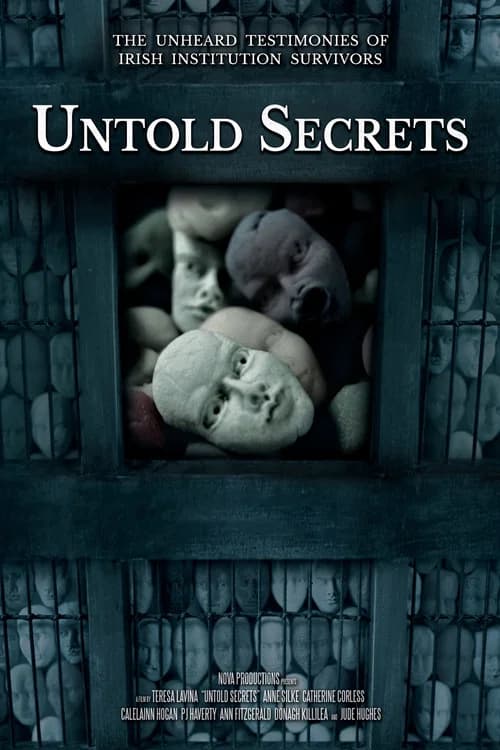
Gives voice to the experiences of Irish institution survivors and focuses on the life and upbringing of one survivor, Anne Silke. Silke was fostered out of the St. Mary, Bon Secours Mother and Baby Home in Tuam at the age of 9 to the Killileas, a prominent political family from Tuam. Untold Secrets recounts her often brutal and abusive treatment at the hands of her foster family and reveals never seen before interviews with fellow survivors. Although Silke is now deceased the documentary gives a posthumous voice to Anne and possibly some closure to her family.


"Cut" is a documentary film by Eliyahu Ungar-Sargon which examines the subject of male circumcision from a religious, scientific and ethical perspective. Using cutting-edge research, in addition to interview footage of rabbis, philosophers, and scientists, Cut challenges the viewer to confront their biases by asking difficult questions about this long-standing practice.

D Carleton Gajdusek won the Nobel Prize for the discovery of Prions - the particles that would emerge as the cause of Mad Cow disease - while working with a cannibal tribe on New Guinea. He was a star of the scientific world. Over his years working amongst the tribes of the South Seas, he adopted 57 kids, bringing them to a new life in Washington DC. His adoptions were hailed as wonderful fatherly beneficence. But, at the height of his career, rumours began to spread he was a paedophile. Gajdusek would argue that if sex with children was okay in their own cultures, he wasn't wrong to join in. How could a great mind like Gajdusek's lose insight so totally, and why would the scientific community to which he was a hero be so quick to leap to his defence and dismiss the allegations? (Storyville)


