Loading titles…
Cast
Cast
Cast

Cast
Cast
Cast
Cast
Cast
Cast
Cast
Cast
Cast
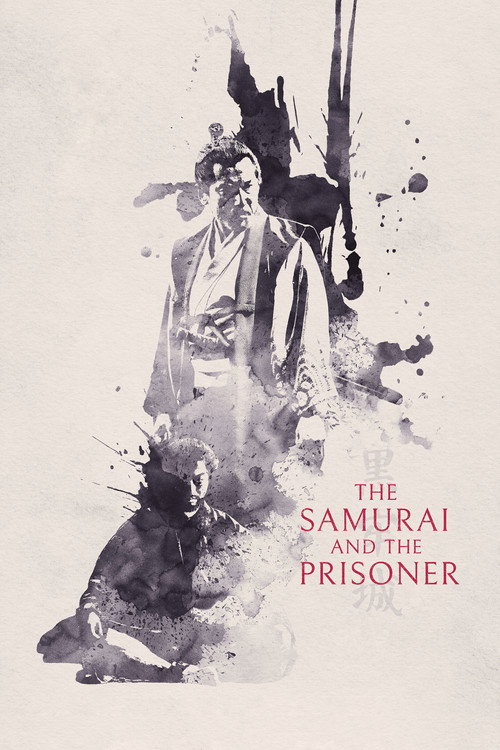
When Lord Murashige rises up against the tyrannical Oda, he finds himself besieged within the walls of his own castle. Isolated, he is confronted with a series of mysterious crimes that shatter the fragile order of his court, plunging the fortress into fear and suspicion. With Oda's army closing in and a traitor hiding among his ranks, Murashige is forced into an uneasy alliance with Kanbei, a brilliant and dangerous strategist held prisoner in the dungeon, as he must outwit his enemies and uncover the truth before time runs out.
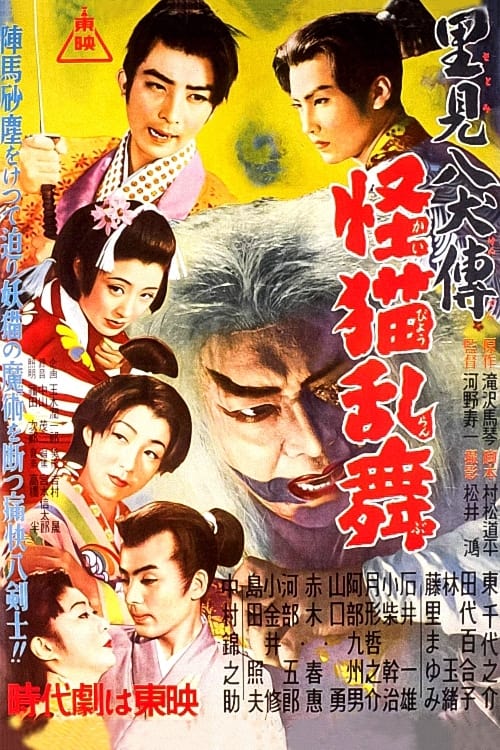

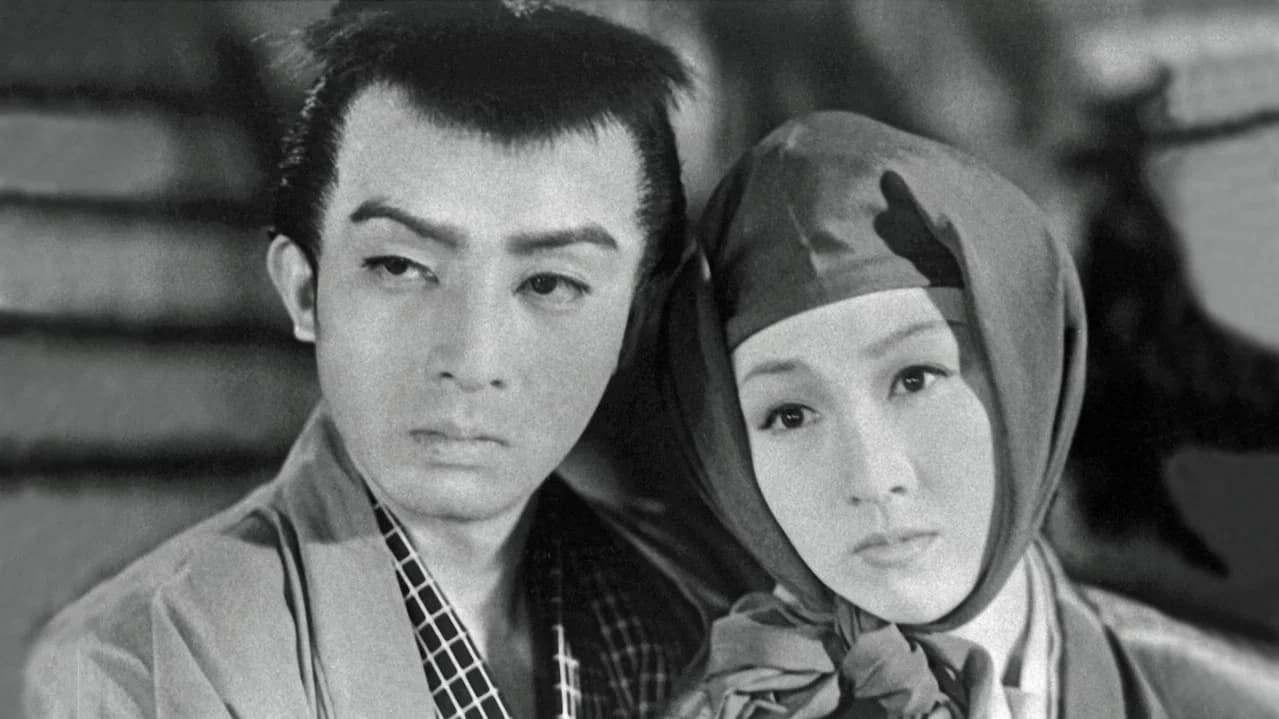
In the third, and final chapter of this epic tale, handsome swordsman Genji helps a vulnerable princess who is in search of a missing scroll that belongs to the Shogun. This is one of the most highly regarded trilogies featuring a youthful Nakamura Kinnosuke in one of his best roles. This was Kinnosuke at the height of his career, with charm, honor and a vicious sword. If you enjoyed the first two films in the series, you can't miss the exciting conclusion. Even without know-ledge of the first two films, this movie stands on its own with great action throughout!
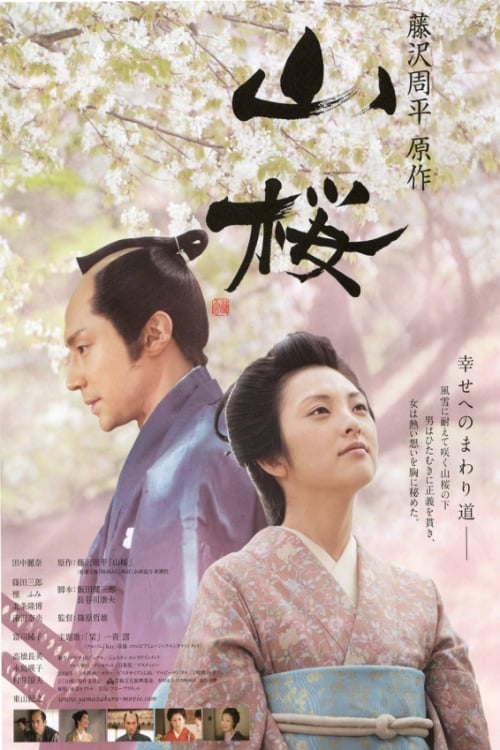
Based on a short story written by Shuhei Fujisawa (who also wrote Twilight Samurai, The Hidden Blade, Love and Honor), the film depicts the uneasy life of Noe Isomura (Rena Tanaka) with the difficult family she has married into after her former husband passed away. One day as she tries to brake off a branch of a cherry tree, she is aided by a samurai who she does not recognize but who recognizes her. He turns out to be a former suitor that she never met named Yaichiro Tezuka (Noriyuki Higashiyama) and who teaches swordsmanship to the local samurai. Meanwhile, the powerful new chief retainer of the village enacts land policies that threaten the survival of the local farmers.
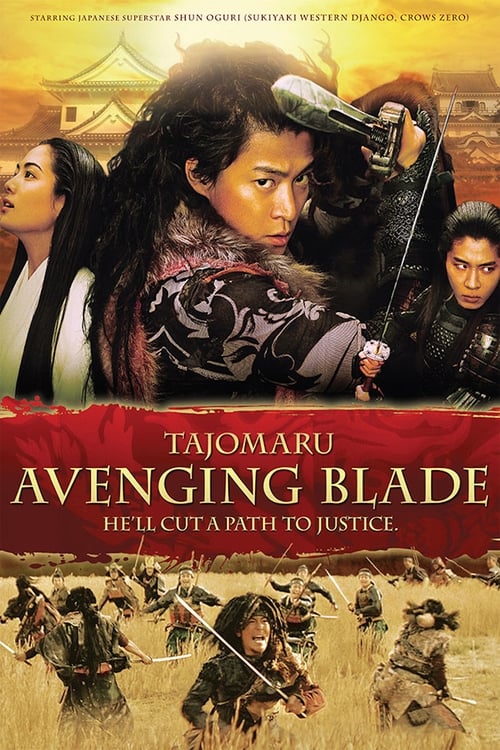
TAJOMARU is the famous 'bandit' of the forest from RASHOMON. Whoever kills Tajomaru inherits his name, status and sword. A royal brother leaves his kingdom to protect the princess he loves, only to find a series of harrowing adventures along the way which lead him back to where he came from, and then disinheriting his past to become the bandit TAJOMARU.
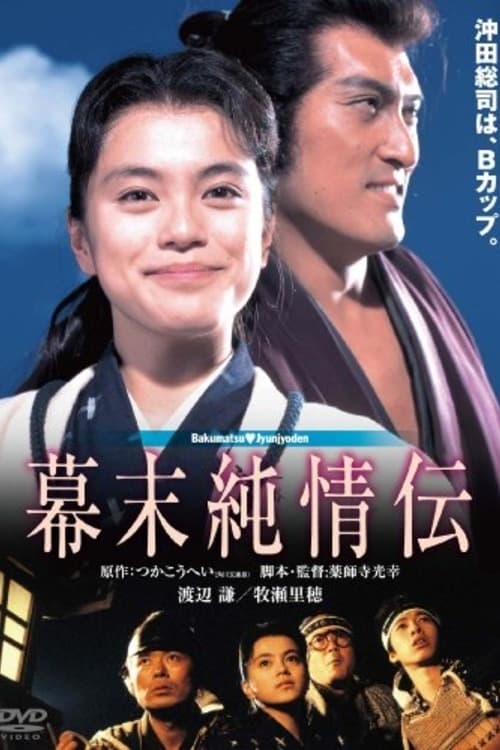
In the last days of the Tokugawa shogunate, there was a cute warrior, Souji Okita, who belonged to the armed police of the shogunate in Kyoto. Very few knew that Souji was not a boy, but a woman. Souji loved the vice-leader of the armed police, Toshizou Hijikata. Souji suffered from pulmonary tuberculosis and coughed up blood during a battle. Toshizou helped her but said that he did not care for the girl with a smell of blood. Souji had a real talent for swordsmanship and no one but Ryouma Sakamoto could compete with her. Ryouma was a liberal intellectual and tried to carry out a revolution without blood. However, the bloody Meiji Restoration broke out and Souji killed Ryouma who lost his dream. Because a friendship had sprung up between Toshizou and Ryouma, Toshizou got angry and slashed at Souji with a sword. Unwillingly, she unsheathed her sword and thought that she might get love if she was killed by the man she loved.
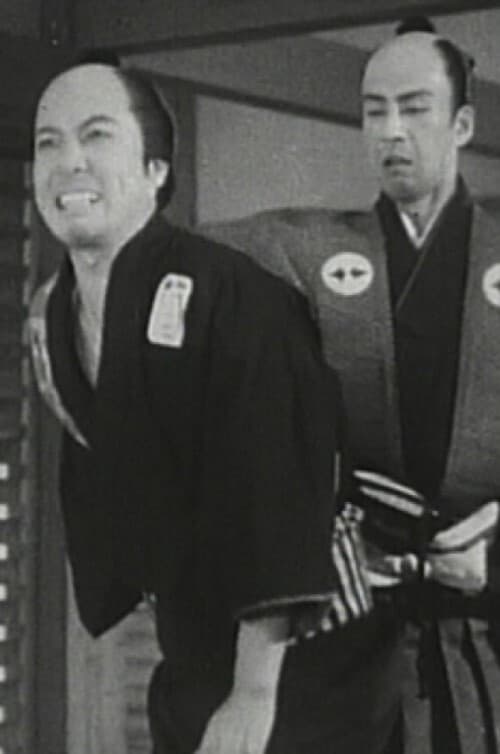
Naosuke, a servant of Okajima Yasoemon, devoted himself to his master. One day, his master Okajima Yasoemon, lost his face in front of people. It was a revenge by Oono, a karo (minister) who lost his chance to earn money by selling a fake antique to the lord. Okajima told the lord it was fake. Okajima endured Oono's humiliation. But, his servant Naosuke, could not. But what could he do? Oono is superior of his master. Naosuke would not hesitate to lay down his life for his master. But killing Oono would ruin his master. He wanted to clear his master's disgrace. What to do?
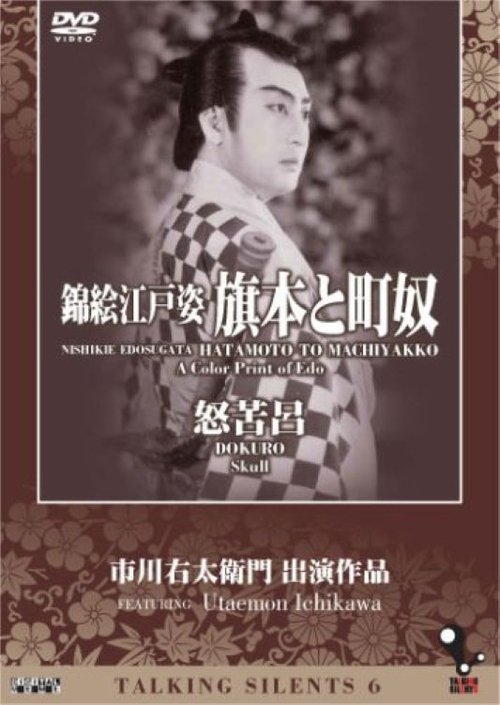
The Color Print of Edo is a 1939 black and white Japanese silent film with benshi accompaniment directed by Kazuo Mori. It is a cheerful period drama, sprinkled with comical scenes and tells the story of a loyal and handsome Edo period servant who fights to help his older brother marry the woman he loves. The star of this film, Utaemon Ichikawa, gained enormous popularity for his portrayal of a cheerful and chivalrous man.