
Loading titles…
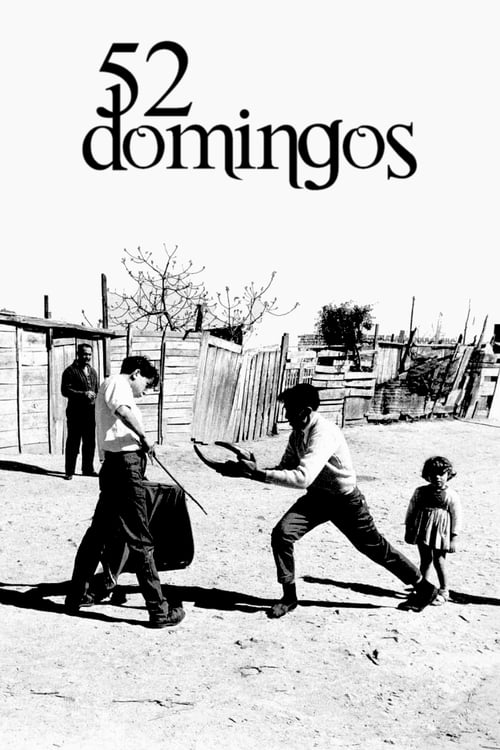
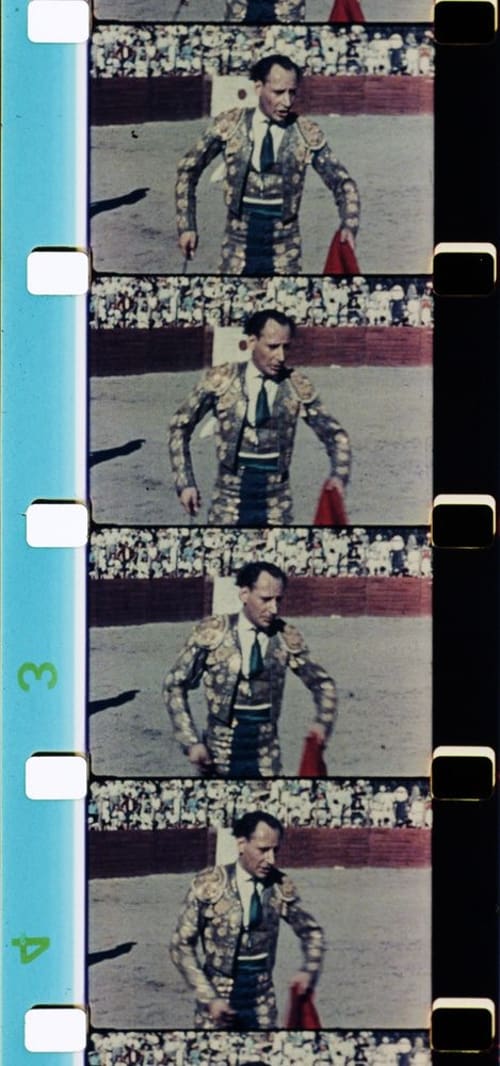
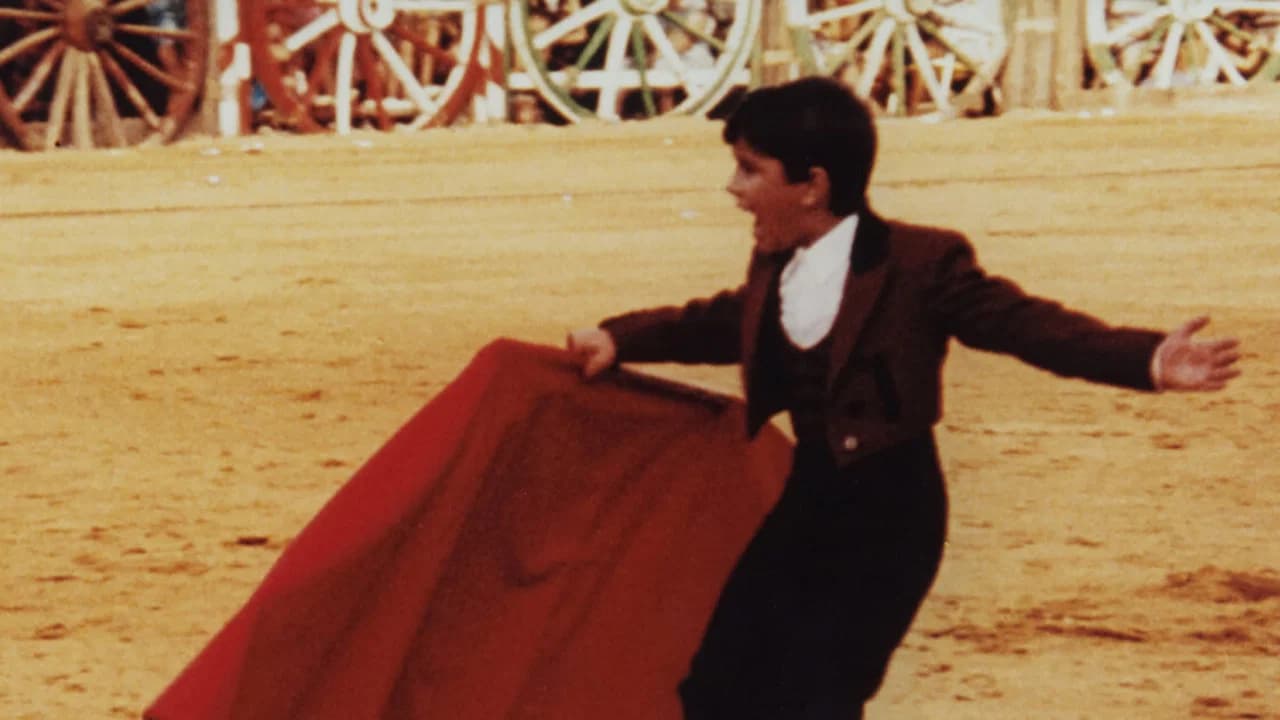
Documentary on bullfighting by Spanish director Sonia Herman Dolz.
No cast information available.
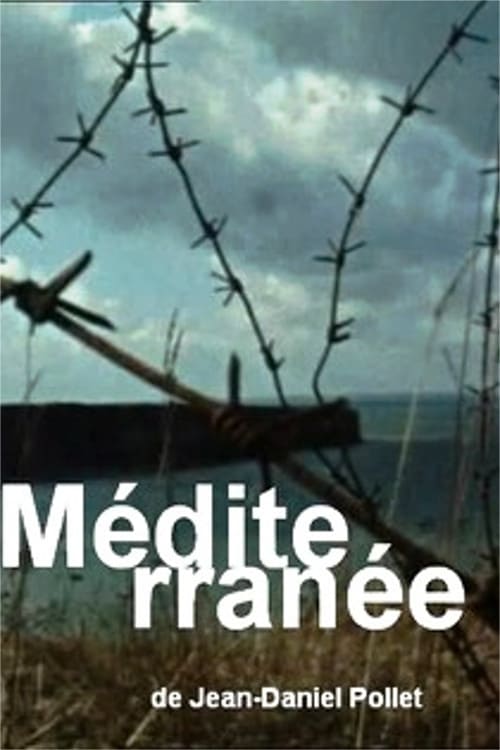
[Here] Pollet made a work that is the very definition of what French critics like to call an ovni or ufo (as in ‘unidentified filmic object’). [It] has been described as being ‘like a comet in the sky of French cinema,’ an ‘unknown masterpiece,’ and an ‘unprecedented’ work that refuses interpretation even as it has provoked reams of critical writing. Its rhythmic collage of images – a girl on a gurney, a fisherman, Greek ruins, a Sicilian garden, a Spanish corrida – is accompanied by an abstract commentary written by Sollers, and only the somber lyricism of Antoine Duhamel’s score holds the film’s elements together. At first viewing, you fear that [it] might fly apart into incoherent fragments. Instead, over the course of its 45 minutes it invents its own rules, and you realize you’re watching something like the filmic channeling of an ancient ritual.
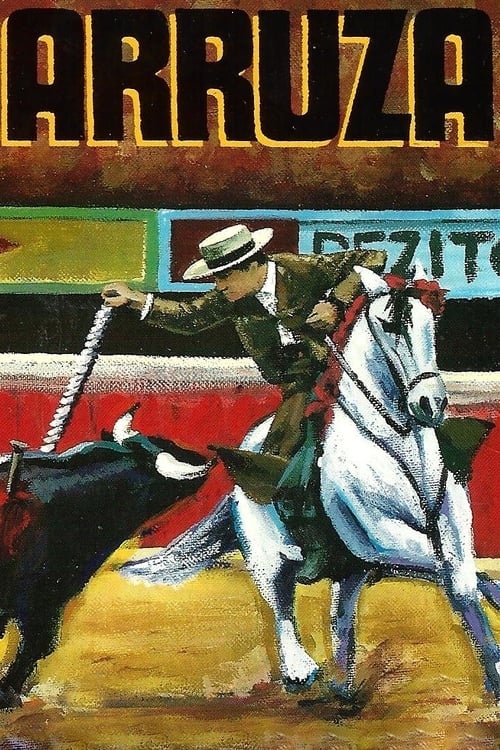
Eight years in the making, Boetticher’s portrait of his longtime friend, the famous bullfighter Carlos Arruza, was a labor of love that the renowned director of westerns pursued despite contending with illnesses, bankruptcy, jail time, and lucrative offers from Hollywood. The result is an astonishing work of poetry, immediacy, and violence that fearlessly wrestles with the filmmaker’s own ambivalence about the titular matador’s triumphs prior to his death by automobile accident at the age of 46.
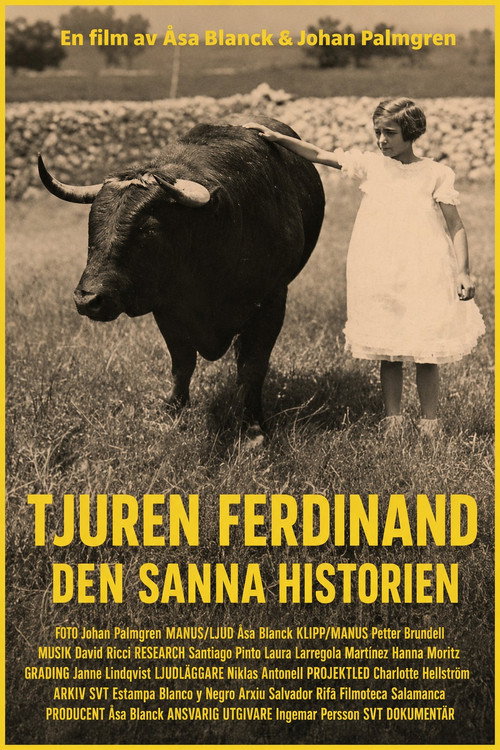
Ferdinand the bull was real. And everything was just like in the fairy tale. But the ending was something completely different. Meet the family who cuddled with the friendly bull in the paddock, the grandson of the keeper who accompanied him on the fateful journey to the arena, and the man who actually saw the bullfight in 1936 and has never been able to forget it. They all have their own story. And of course, we meet the beloved bull in a unique newly discovered film.

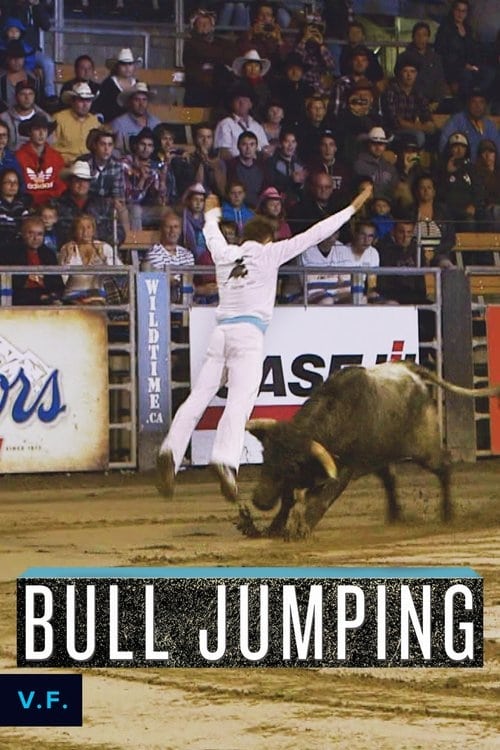
Duende, the title of this documentary, is a richly complex and untranslatably idiomatic Spanish word which evokes the mysterious, ineffable quality that the art of bullfighting has for its devotees. This film explores the process by which an apprentice bullfighter, Carmelo, became a matador, a term which is reserved only for those who are recognized as being fully qualified to serve as a central player in this ritualistic drama, la corrida, which is sometimes incorrectly described as being a "sport." Various senior and retired bullfighters and their relatives recount their observations and experiences, and Carmelo re-enacts his coming-of-age as a bullfighter for the cameras. Those who are already convinced that la corrida is a celebration of the mystery of life and death may particularly appreciate this respectful documentary.
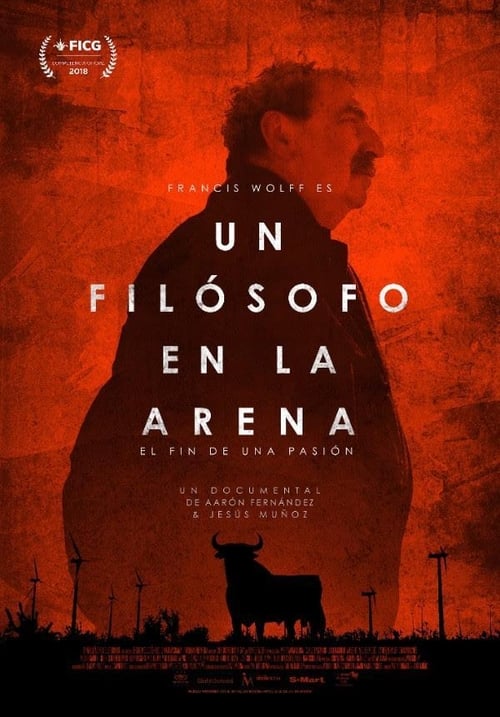
After his retirement, french philosopher and bullfighting enthusiast Francis Wolff decides to embark on a journey to France, Spain and Mexico joined by two mexican filmmakers who hardly know anything about bullfighting, a culture whose days seem to be numbered. During their road trip, they encounter numerous personalities with whom they reflect on mankind’s relationship with animals and nature, but most importantly on our relationship with death and the meaning of the ultimate journey: life itself.
This short film "Torerillos 61" is one of the first works of the master Patino, which tries to portray the Spanish society of the time outside the state convention and dodging the hand of censorship. Social commitment is the brand director throughout his long career, starting with short films such as this one, made in the early sixties, in the wake of the statements in Talks Salamanca. The sadness off the characters portrayed is bleak, "Maletillas" (aspiring bullfighters) in search of luck to pull them out of poverty.