Loading titles…
Music / Documentary
"Donatas Montvydas. 1987. Concert Film'. An incredible music show that will take you behind the scenes of the artist's life and reveal things you won't see with any concert ticket. Sit in the best seats, travel to rehearsals and see what's left behind.


Self
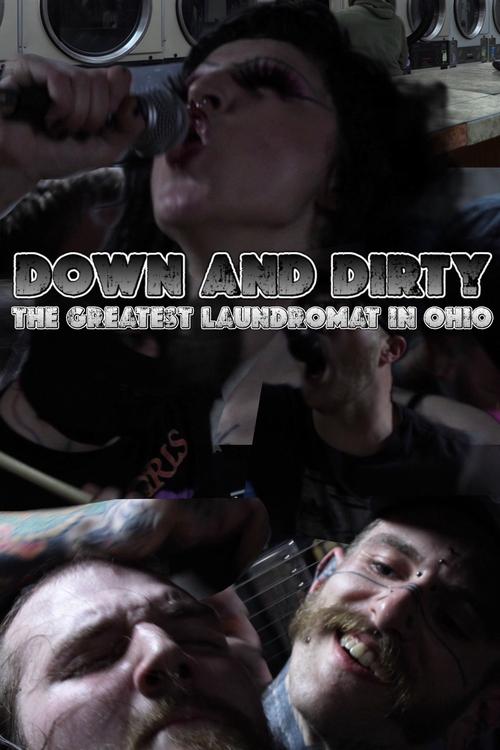
When is a laundromat more than a laundromat? How about when it's a bar? Or a venue for the best underground hardcore music in the city? Or when it's a home for a group of outsiders who are proud to not fit in. How about when it's all of that and more? Dirty Dungarees is the unexpected hub of the hardcore scene in Columbus, Ohio, cultivating a community unlike anything else in the city.
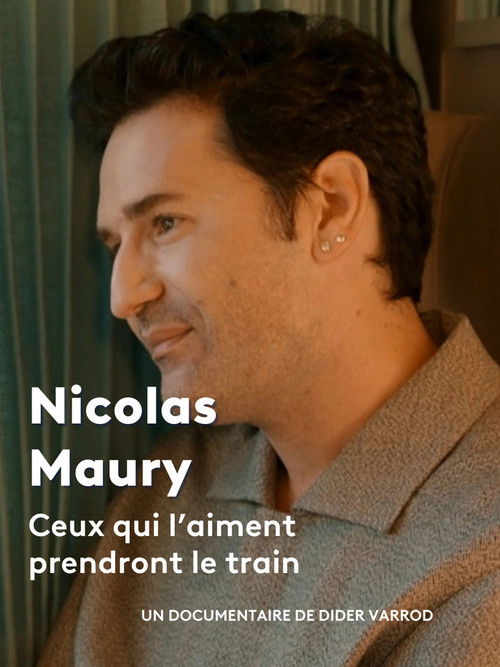
Between the nostalgia of resurfacing roots and the desire to venture into song to experience a rebirth, Nicolas Maury reveals himself unguarded before Didier Varrod, with a deeply moving sincerity. Nicolas Maury released his first album, La porcelaine de Limoges, in January 2023—a new experience for this unique, demanding, and multifaceted actor. It is an opportunity to paint an intimate portrait of him through an extended interview on a train between Paris and Limoges. In this specific setting, which was also that of his first (silent) film role with Patrice Chéreau in Those Who Love Me Can Take the Train, Nicolas discovers archives and hears from close acquaintances who speak about him. A documentary film, like a kind of initiation rite, it moves back and forth between memories of France and childhood, and his condition as a man and artist today, taking on a new identity through music.

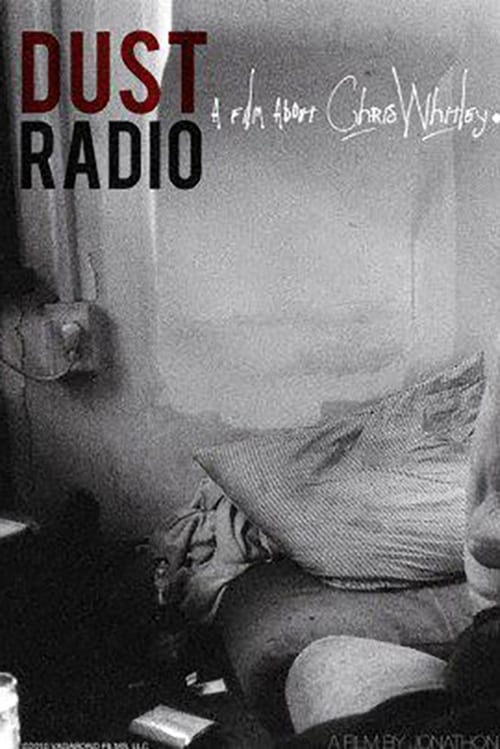
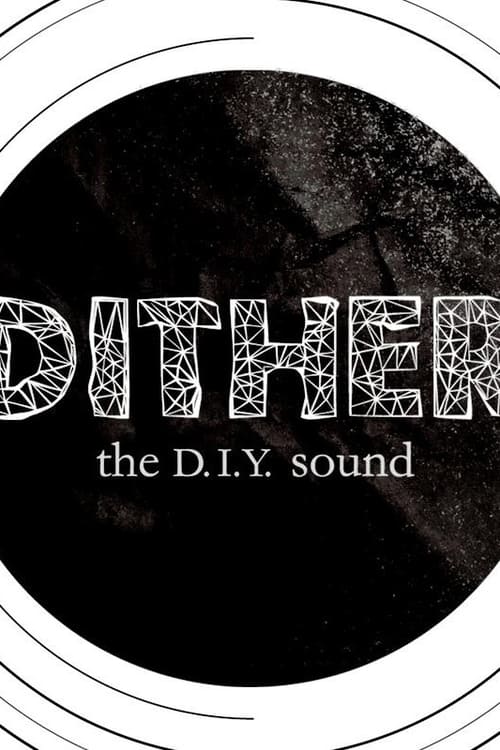
Dither: The D.I.Y. Sound is not your conventional punk rock documentary. In this documentary we explore the ideologies created by cornerstones of the early punk community such as Ian Mackaye of Minor Threat, Fugazi and Dischord Records. But beyond that, we explore the communities and people that have adopted these ideologies and created their own version of what it means to be D.I.Y. This is not a documentary about just music, it's a documentary about the communities that surround the music and embrace it as a way of identification and brotherhood. But this documentary doesn't just ask questions about the culture, it asks questions about how it's possible to maintain a culture that is, at it's core, so opposite of the modern economic and social system.
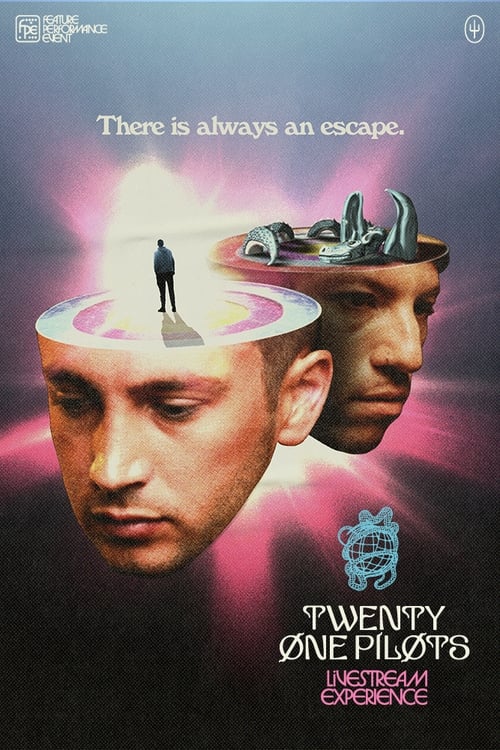
A look back at the violent conflict between the two leading figures of musical modernity, Arnold Schönberg and Igor Stravinsky, in the first decades of the 20th century. Although Arnold Schönberg and Igor Stravinsky both had a decisive influence on the fourth art, their creations remained diametrically opposed. While the Austrian developed the dodecaphonic method, placing the twelve notes of the chromatic scale at the heart of the composition technique to the detriment of tonality, his Russian rival based his practice on stylistic eclecticism. Their supporters formed two opposing camps, and the two composers - one the father of the Second Viennese School, the other of Neoclassicism - became, in the wake of their successes, the figureheads of a conflict that marked the history of music by its duration and intensity.